
How to Dispute a Mistake on Your Equifax or TransUnion Report in Ontario
Step by step: find errors on your Equifax and TransUnion reports, send a free dispute with proof, what the bureau must do, adding a 200-word statement, and complaining to the Registrar.

A mistake on your credit report can cost you a loan, a better interest rate or an apartment. In Ontario, the Consumer Reporting Act lets you dispute any item you think is wrong or incomplete, for free. Here is how to do it with Equifax and TransUnion.
- Get your free report from both Equifax and TransUnion, and mark every error.
- Send each bureau a dispute with copies (never originals) of your proof. Disputes are free.
- The bureau must check the item within a reasonable time and correct, add to or delete it if it is wrong.
- If the item stays, you can add a free explanatory statement of up to 200 words.
- If the bureau does not deal with it properly, complain to the Registrar through Consumer Protection Ontario.
Step 1: Get both reports and find the errors
Each bureau keeps its own file, so an error may show up at one and not the other.
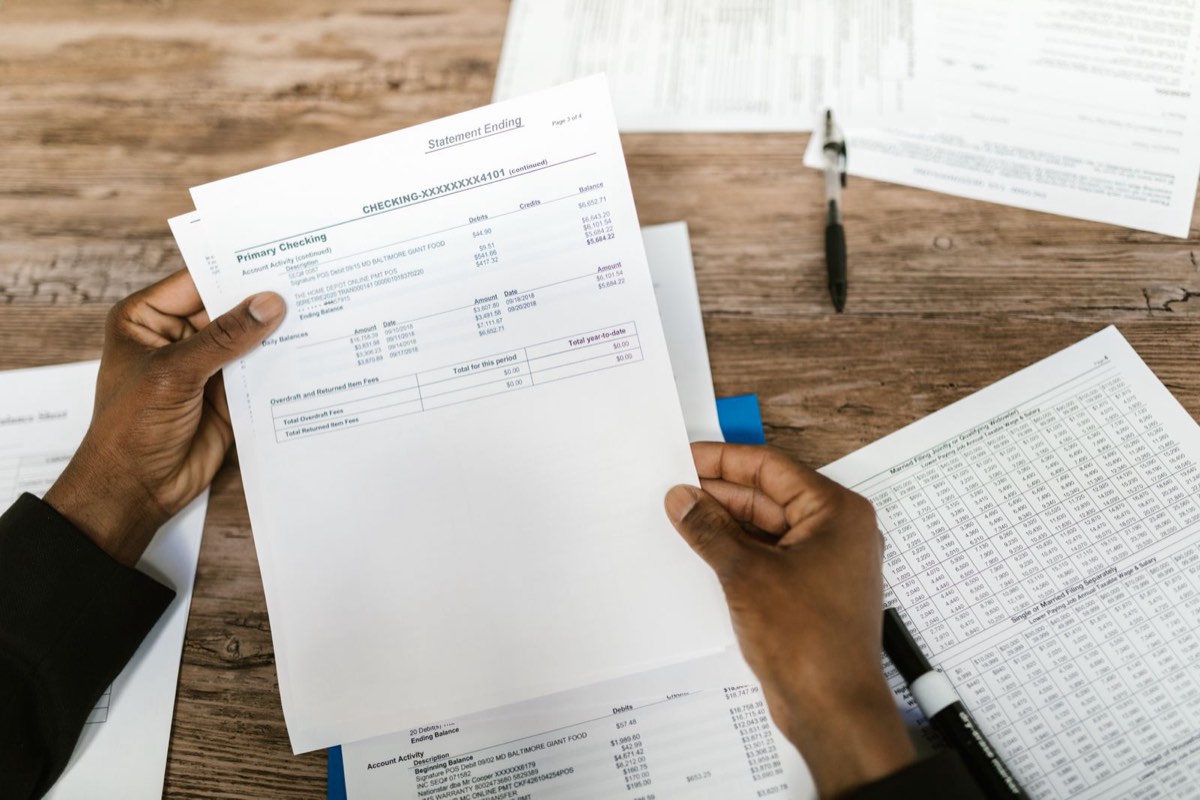
- Ask Equifax and TransUnion for your report. Ontario law gives you free online access once a month, or by phone or mail twice a year.
- Check your name, date of birth and addresses.
- Check each account: Is it yours? Are the balance and payment history right? Is a paid debt shown as owing?
- Look for collections, judgments or inquiries you do not recognize.
- Check dates. Most old negative items must come off after a set time.
Step 2: Gather your proof
Collect documents that show the item is wrong, such as:
- A paid-in-full letter or final statement from the lender.
- Bank records showing payments.
- A court order or release.
- A police report or fraud report number, if it is identity theft.
Send copies. Keep the originals.
Step 3: Send the dispute
TransUnion takes disputes online, by phone or by mail. Equifax takes them online or by mail. Your dispute should include:
- Your full name, date of birth and current address.
- The bureau's file or confirmation number, if you have one.
- Each item you dispute, with the creditor name and account number.
- What is wrong, and what you want done (correct it or delete it).
- Copies of your proof.
Keep a dated copy of everything you send. Use tracked mail.
Also write to the lender or collector that reported the item. Ask it to fix its records and update both bureaus, or the error may come back.
Step 4: What the bureau must do
Under section 13 of the Act, the bureau must, within a reasonable time, use its best efforts to confirm or complete the information. It must then correct, add to or delete the item in line with good practice.
The Act does not set a fixed number of days. TransUnion says its investigations usually finish within 30 days. Equifax estimates about 15 to 20 days for online disputes and 20 to 25 days for mail. Follow up if you hear nothing.
If the bureau changes your file, it must send notice of the change to everyone who got your report in the 60 days before. You can also name others who got your report in the past 6 months (credit information) or 1 year (personal information), and the bureau must notify them too.
Step 5: Add an explanatory statement
If the bureau keeps the item, you can add an explanatory statement. Since July 1, 2026, section 12.6 of the Act lets you give a written statement of up to 200 words about any item in your file. Ontario says it is free. A bureau form may still show an older, shorter limit.
- The bureau must add it within a reasonable time.
- It must go out with every report that contains the related item.
- You can change or remove it. Otherwise it comes off after 6 years.
Keep it factual, for example a job loss or a billing dispute.
Step 6: Complain to the Registrar
If the bureau will not deal with your dispute properly, you can complain to the Registrar of Consumer Reporting Agencies through Consumer Protection Ontario.
- First, write to the bureau and explain the problem.
- File a complaint online, or by mail or email using the paper form. Attach your letter, the bureau's reply, your reports and your proof. There is no cost.
- The ministry says it will contact you within 15 business days.
- Do not wait. The ministry says it may not be able to help with events more than 2 years old.
The Registrar can ask the bureau for proof, inspect it and order corrections to your file. The ministry needs your written permission to see your file. Section 23.1 of the Act also lets you sue for damages caused by a breach of the Act.
Common questions
Should I pay a credit repair company?
You can dispute for free yourself. In Ontario, credit repair companies cannot take payment until their work leads to a real improvement in your report.
What if the error is from identity theft?
Report it to the police and the lender, dispute the accounts with both bureaus, and consider a fraud alert or security freeze.
A licensed paralegal at NEO can help you write dispute and demand letters, file a complaint with the Registrar, and bring a claim for damages in Small Claims Court where the law and the court's limit allow. Call 647-200-3526 or toll-free 888-519-2435, email info@neolegalservices.com, or book a free consultation.
Sources
- Credit reports (Government of Ontario)
- Filing a consumer complaint (Government of Ontario)
- Consumer Reporting Act, R.S.O. 1990, c. C.33
- Checking your credit report for errors and fraud (FCAC)
- Dispute your credit report (Equifax Canada)
Read next: How Long Debts, Collections and Bankruptcies Stay on an Ontario Credit Report
General Ontario legal information, not legal advice for your matter, and reading it does not create a retainer. Sources checked 27 November 2026: check the current law, forms and dates before you act.
Photos from Pexels: A man reading a financial document at a wooden desk · Hands holding financial papers.
This article is general information for people in Ontario, not legal advice. Rules, forms and deadlines change, and every situation is different. Check the current rule or speak to a licensed legal professional before you act.
Not sure where you stand? A licensed paralegal can look at your documents and tell you your options.
Book a Free ConsultationLoading comments…



 PIPEDA-compliant⚖️ By-Law 9 trust accounting checks🛡️ Professional liability insured✅ LSO-licensed paralegal🔐 256-bit AES Encryption📋 Working toward WCAG 2.1 AA🇨🇦 Ontario-based firm🕒 SOC 2-audited hosting providers📄 CASL Compliant💻 Secure Client Portal📊 Transparent Fixed Fees🔍 Verified Google Reviews🤝 Free Initial Consultation🏛️ Law Society of Ontario📜 Professional Corporation🔏 Confidential by professional duty🌐 Province-Wide Service💬 Court interpreters in most languages⏱️ Same-Day Intake Response🗂️ Paperless Document Vault🔄 Real-Time Case Tracking🎓 Honours paralegal graduate · LLB in progress📱 Mobile-friendly client portal🧾 Upfront, written fees🔗 TLS 1.3 Secure Connections🛂 ID checks at sign-up (By-Law 7.1)🧑⚖️ Paralegal Scope of Practice📆 Flexible Appointment Booking💼 Small Business Friendly

