
Car Repossession in Ontario: The Two-Thirds Rule, Notices and Shortfalls
When an Ontario lender can repossess your car, the two-thirds-paid rule that needs court permission, the notices you should get, how to get the car back, and shortfall claims.
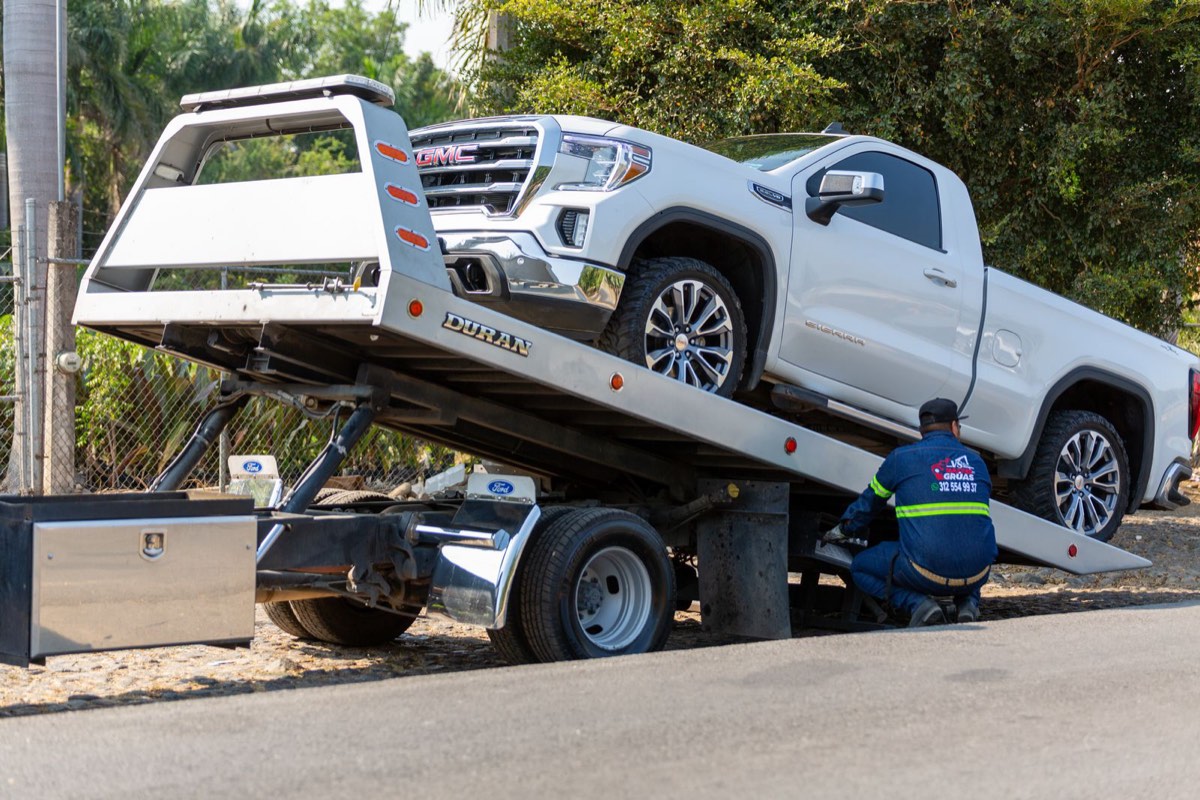
Falling behind on a car loan is stressful, and a tow truck in the driveway can feel sudden. In Ontario, a lender with a security interest in your car can usually take it back if you default, but the law sets limits on when and how.
- If your loan is secured by the car and you default, the lender can usually repossess it without going to court first.
- Under section 25 of the Consumer Protection Act, 2002, if you bought the car on dealer financing and have paid two-thirds or more of your payment obligation, it cannot be repossessed without permission from the Superior Court of Justice.
- Someone repossessing for a lender must be an appointed bailiff or a registered assistant bailiff, and the repossession must be peaceful.
- Before the lender sells the car, you should get written notice and a chance to get it back.
- If the sale does not cover the loan, the lender can sue you for the shortfall.
When a lender can repossess
Most car loans are secured loans. That means the car is the lender's security. If you miss payments or break another term of the agreement, the lender may treat it as a default.
- Read your loan or financing agreement. Look for the "default" section and any grace period.
- Check your payment history. Lenders sometimes make mistakes about what was paid.
- Call or write to the lender early. Ask about a catch-up plan before a bailiff is sent.
Only the creditor itself, an appointed bailiff or a registered assistant bailiff can repossess the car. A tow truck driver can help only when a bailiff is there. Ontario's guidance says the repossession must be peaceful. If you refuse to hand over the car or tell the bailiff to leave, they must stop. If someone who is not registered tries to take the car, you can complain to the Registrar of Bailiffs through Consumer Protection Ontario.
The two-thirds rule
Section 25 of the Consumer Protection Act, 2002 protects consumers who have paid a large part of a "future performance agreement". If you have paid at least two-thirds of your payment obligation as fixed by the agreement, the right to take the car back cannot be enforced without leave (permission) from the Superior Court of Justice.
- Ontario's Registrar of Bailiffs has told bailiffs the rule may apply when a dealer arranges the financing and then assigns the agreement to a bank or finance company.
- It may not apply to a separate loan you took out directly from a bank or credit union. Check how your car was financed.
- Work out the two-thirds figure from your own agreement and payment records. Keep copies.
If your car was taken after you paid two-thirds, without a court order, write to the lender and the bailiff right away. Ask for the car back and keep proof of your payments. A new Consumer Protection Act, 2023 has been passed but is not yet in force. Check which Act applies on the date of your repossession.
Notices you should get
Ontario's Personal Property Security Act sets out what a lender must do after it takes the car.
- Before selling or otherwise disposing of the car, the lender must give you written notice. The notice says how much you owe and the date after which the car may be sold.
- The notice must be given at least 15 days before the car is sold.
- Keep every letter and note the date you got it.
Ask the lender for a written list of the bailiff fees and storage costs. These are often added to what you owe. Ask for your personal things inside the car, too.
Getting the car back
You may be able to get the car back before it is sold.
- Redeem it. Pay everything owed under the agreement, plus the lender's reasonable costs.
- Reinstate the loan. For consumer goods, the law may let you catch up by paying the missed payments and costs, instead of the full balance. Ask the lender in writing what amount will bring the loan back into good standing.
- Negotiate. Ask for a written payment plan or a voluntary sale. Get any deal in writing before you pay.
Act quickly. Once the car is sold, these options end.
Shortfall (deficiency) claims
After the sale, the lender subtracts the sale price and its costs from what you owe. If money is left over, the surplus goes to you. If the sale does not cover the debt, the lender can claim the shortfall from you.
- Ask for a written statement of the sale price, fees and the balance claimed.
- Check whether the car was sold in a commercially reasonable way. A very low price may be worth questioning.
- A shortfall claim of $50,000 or less is usually made in Small Claims Court. You have 20 days to file a Defence after you are served.
Common questions
Can the bailiff take the car from my workplace or the street?
Yes, a bailiff can usually take a car from a public place. The repossession must still be peaceful. They must stop if you refuse or tell them to leave.
Does handing the car back voluntarily cancel the debt?
No. A voluntary surrender is still a repossession. You may still owe a shortfall after the car is sold.
What if I am thinking about bankruptcy or a consumer proposal?
Speak with a Licensed Insolvency Trustee. They can explain how a car loan is treated.
NEO's licensed paralegals can write to your lender, negotiate a payment plan or settlement, and defend you in Small Claims Court if you are sued for a shortfall. Call 647-200-3526 or toll-free 888-519-2435, email info@neolegalservices.com, or book a free consultation.
Sources
- Consumer Protection Act, 2002 (e-Laws)
- Personal Property Security Act (e-Laws)
- Your rights when dealing with a bailiff (Ontario)
- Registrar's bulletin: the two-thirds rule and auto financing (Ontario)
Read next: Settling a Debt for a Reduced Lump Sum
General Ontario legal information, not legal advice for your matter, and reading it does not create a retainer. Sources checked 27 November 2026: check the current law, forms and dates before you act.
Photos from Pexels: A tow truck operator loading a pickup truck on a street · Car keys and a key fob on a white surface.
This article is general information for people in Ontario, not legal advice. Rules, forms and deadlines change, and every situation is different. Check the current rule or speak to a licensed legal professional before you act.
Not sure where you stand? A licensed paralegal can look at your documents and tell you your options.
Book a Free ConsultationLoading comments…



 PIPEDA-compliant⚖️ By-Law 9 trust accounting checks🛡️ Professional liability insured✅ LSO-licensed paralegal🔐 256-bit AES Encryption📋 Working toward WCAG 2.1 AA🇨🇦 Ontario-based firm🕒 SOC 2-audited hosting providers📄 CASL Compliant💻 Secure Client Portal📊 Transparent Fixed Fees🔍 Verified Google Reviews🤝 Free Initial Consultation🏛️ Law Society of Ontario📜 Professional Corporation🔏 Confidential by professional duty🌐 Province-Wide Service💬 Court interpreters in most languages⏱️ Same-Day Intake Response🗂️ Paperless Document Vault🔄 Real-Time Case Tracking🎓 Honours paralegal graduate · LLB in progress📱 Mobile-friendly client portal🧾 Upfront, written fees🔗 TLS 1.3 Secure Connections🛂 ID checks at sign-up (By-Law 7.1)🧑⚖️ Paralegal Scope of Practice📆 Flexible Appointment Booking💼 Small Business Friendly

