
Settling a debt for a reduced lump sum

A reduced lump-sum settlement can resolve a debt when immediate certainty is worth more than prolonged collection. Put the proposed amount, payment method, deadline, and consequences of nonpayment in writing. Identify exactly which debt and parties the arrangement covers.
Clarify whether the remaining balance is forgiven only after cleared payment and what happens to any existing claim or judgment. Consider whether a release, dismissal, or satisfaction document is required. A broad release may affect claims beyond the invoice being discussed, so read the language carefully. Keep a signed agreement and proof of payment. Neither side should rely on an ambiguous statement that a payment will simply settle everything when several accounts or proceedings remain outstanding.
Compare the proposal with realistic alternatives. Consider the strength of the underlying claim, the debtor's finances, the time needed to obtain payment, and the remaining legal and enforcement costs. A discount may be sensible, but its value depends on receiving the promised funds through a reliable method. Confirm who has authority to settle for a company or multiple creditors. If several defendants or guarantors are involved, ask whether releasing one affects the remaining rights and whether the agreement needs tailored wording.
The payment and release sequence should be practical. Identify when acceptance occurs, how cleared funds will be confirmed, and who provides any dismissal or satisfaction document. Address whether the settlement covers interest, costs, related accounts, and future claims arising from the same events. Avoid relying on a payment reference or short email to do the work of a carefully drafted agreement where the stakes are substantial. Once completed, keep the signed terms and payment proof together so both sides can demonstrate exactly what was resolved and when.
Ask NEO to review the settlement wording before funds are transferred or rights are released. Call 647-200-3526 or toll-free 888-519-2435, email info@neolegalservices.com, or book a free consultation.
Sources
Read next: Recovering unpaid invoices from an Ontario customer
General Ontario legal information, not legal advice for your matter, and reading it does not create a retainer. Sources checked 15 October 2026: check the current law, forms and dates before you act.
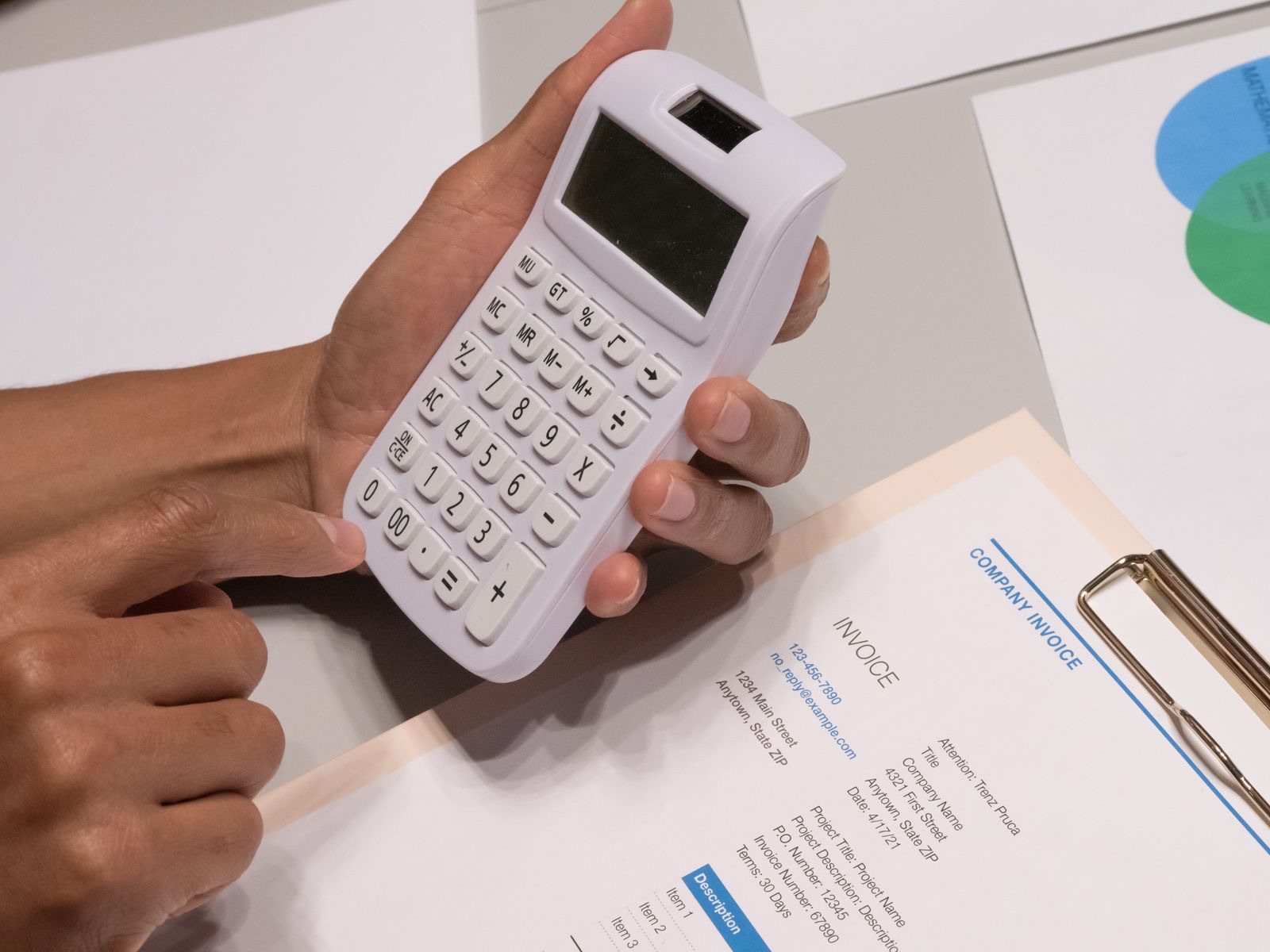
Photos from Pexels: Adding up receipts with a calculator · Using a calculator beside an invoice.
This article is general information for people in Ontario, not legal advice. Rules, forms and deadlines change, and every situation is different. Check the current rule or speak to a licensed legal professional before you act.
Not sure where you stand? A licensed paralegal can look at your documents and tell you your options.
Book a Free ConsultationLoading comments…



 PIPEDA-compliant⚖️ By-Law 9 trust accounting checks🛡️ Professional liability insured✅ LSO-licensed paralegal🔐 256-bit AES Encryption📋 Working toward WCAG 2.1 AA🇨🇦 Ontario-based firm🕒 SOC 2-audited hosting providers📄 CASL Compliant💻 Secure Client Portal📊 Transparent Fixed Fees🔍 Verified Google Reviews🤝 Free Initial Consultation🏛️ Law Society of Ontario📜 Professional Corporation🔏 Confidential by professional duty🌐 Province-Wide Service