
Statute-Barred Debts in Ontario: When an Old Debt Is Out of Time
How Ontario's two-year limitation period applies to debts, when it starts, how a signed note or part payment restarts it, and how to answer a collector safely.
In Ontario, most debts have a time limit. If a creditor waits too long to sue, you can ask the court to dismiss the claim because it is out of time. People call this a "statute-barred" debt, but the rules have traps, and one signed note or small payment can restart the clock.
- Ontario's Limitations Act, 2002 gives a creditor two years to start a lawsuit for most debts.
- The two years usually start when the creditor knew, or should have known, that you did not pay.
- A signed written acknowledgment or a part payment made before the two years run out restarts the clock.
- An old debt does not vanish. A collector can still ask you to pay, but cannot threaten a lawsuit the law does not allow.
- The time limit is a defence. You usually have to raise it yourself if you are sued.
How the two-year limit works
The Limitations Act, 2002 sets a basic limitation period of two years. The clock starts on the day the claim was "discovered." For an unpaid debt, that is usually the day a payment was due and you missed it. For a loan payable on demand, it is usually the day you failed to pay after the lender demanded payment.

There is also an outside limit. In most cases, no one can sue more than 15 years after the events that caused the claim, even if they only found out later.
Some claims the two-year rule does not cover:
- Court judgments. If a creditor already sued you and won, there is no limitation period to enforce that court order. The two-year rule will not help you.
- Some other debts. Certain government claims, and debts secured on land such as a mortgage, have their own rules and time limits.
What restarts the clock
Section 13 of the Act says the clock starts again on the day you acknowledge a debt for a fixed amount. To count, an acknowledgment must:
- Be in writing.
- Be signed by you or someone acting for you.
- Be made before the limitation period has run out.
A part payment on a fixed amount owing works like an acknowledgment, even though it is not in writing. Even a small payment can give the creditor a fresh two years.
An email or text that says "I know I owe you, I will pay soon" may count as signed writing.
Once the two years are over, a later acknowledgment does not bring the right to sue back to life. But the exact start date is often unclear, so be careful.
How to work out whether your debt may be out of time
- Find your last payment date in bank statements or receipts.
- Find any letters, emails or texts you sent about the debt, and their dates.
- Note when the creditor demanded payment or closed the account.
- Count two years from the latest of those dates.
How to answer a collector about an old debt
Ontario's collection rules say an agency may not threaten legal action unless the creditor has authorized it in writing and the lawsuit is not otherwise barred by law. Agencies also may not use threats or harassment.
To protect yourself:
- Do not admit the debt on the phone. Say you will respond in writing.
- Do not make a "good faith" payment. A payment can be treated as an acknowledgment.
- Do not sign a payment plan or a form until you know your position.
- Ask for details in writing. Ask for the original creditor, the date of the last payment and a breakdown of the balance.
- Use careful wording. You can write: "I do not acknowledge this debt. Nothing in this letter is a promise to pay."
- Keep records of every call, letter and email.
If you want the calls to stop, you can send a notice by a method you can prove, such as email or registered mail, saying you dispute the debt and suggesting it be taken to court. The agency must then stop contacting you. It may still advise the creditor to sue.
If you are sued on an old debt
The court does not usually check the limitation period on its own. If you get a Plaintiff's Claim, file a Defence on time and say the claim is statute-barred. If you miss the deadline to file a Defence, the creditor may get a default judgment, even on an old debt.
Common questions
Does an old debt still show on my credit report?
It can. Credit reporting has its own timelines, separate from the limitation period.
If I pay something on an old debt, will it hurt me?
If the two years have not run out, a part payment restarts the clock. If they already ran out, a payment does not revive the right to sue, but you may not know the exact date. Get advice first.
Can a collector keep calling about a statute-barred debt?
A collector can still ask you to pay voluntarily, within the contact rules. It cannot threaten a lawsuit that the law does not allow, and it must stop contacting you after a proper dispute notice.
A NEO licensed paralegal can review your dates, write to the collector for you, and defend you in Small Claims Court if you are sued on an old debt. Call 647-200-3526 or toll-free 888-519-2435, email info@neolegalservices.com, or book a free consultation.
Sources
- Limitations Act, 2002 (Ontario e-Laws)
- Stop collection agency calls (Ontario)
- Prohibited practices and conduct: A guide for collection agencies (Ontario)
Read next: Why a Payment Promise May Affect a Limitation Period
General Ontario legal information, not legal advice for your matter, and reading it does not create a retainer. Sources checked 27 November 2026: check the current law, forms and dates before you act.
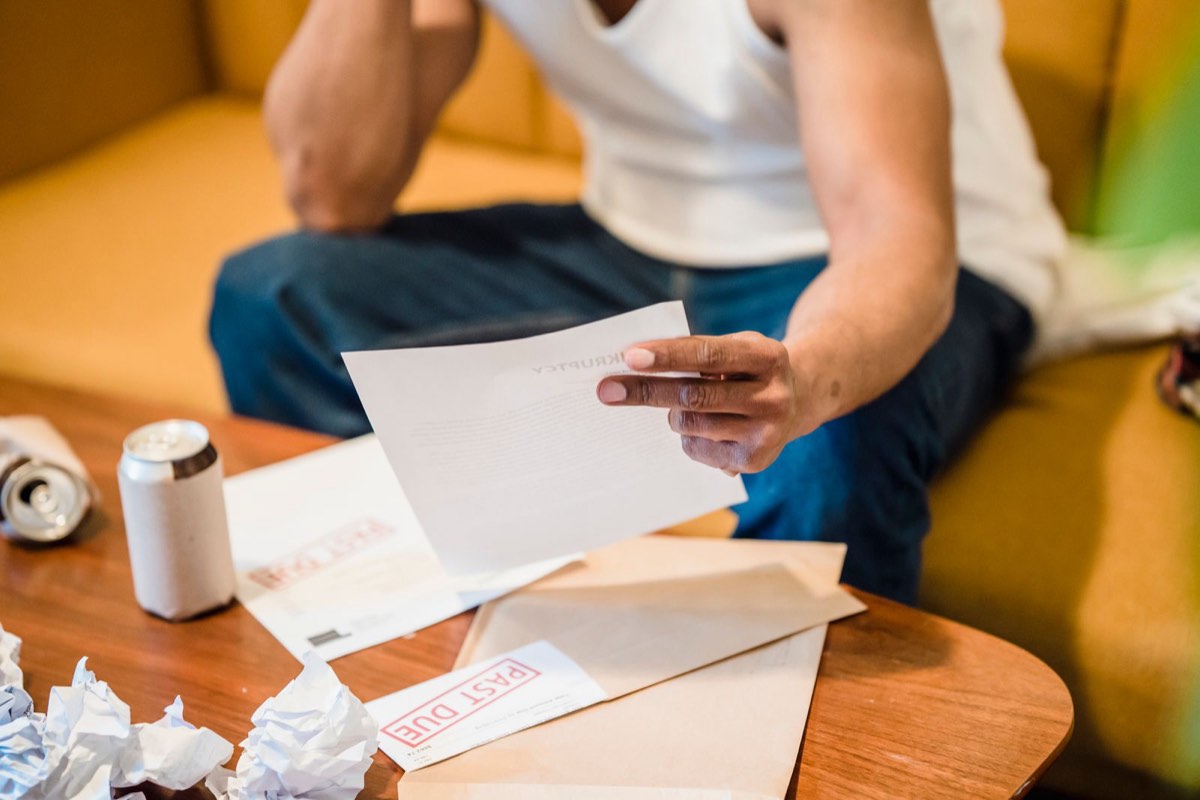
Photos from Pexels: A man on a sofa reading unpaid bills · A note reading Pay debt next to a red pen.
This article is general information for people in Ontario, not legal advice. Rules, forms and deadlines change, and every situation is different. Check the current rule or speak to a licensed legal professional before you act.
Not sure where you stand? A licensed paralegal can look at your documents and tell you your options.
Book a Free ConsultationLoading comments…



 PIPEDA-compliant⚖️ By-Law 9 trust accounting checks🛡️ Professional liability insured✅ LSO-licensed paralegal🔐 256-bit AES Encryption📋 Working toward WCAG 2.1 AA🇨🇦 Ontario-based firm🕒 SOC 2-audited hosting providers📄 CASL Compliant💻 Secure Client Portal📊 Transparent Fixed Fees🔍 Verified Google Reviews🤝 Free Initial Consultation🏛️ Law Society of Ontario📜 Professional Corporation🔏 Confidential by professional duty🌐 Province-Wide Service💬 Court interpreters in most languages⏱️ Same-Day Intake Response🗂️ Paperless Document Vault🔄 Real-Time Case Tracking🎓 Honours paralegal graduate · LLB in progress📱 Mobile-friendly client portal🧾 Upfront, written fees🔗 TLS 1.3 Secure Connections🛂 ID checks at sign-up (By-Law 7.1)🧑⚖️ Paralegal Scope of Practice📆 Flexible Appointment Booking💼 Small Business Friendly

