
Condominium Authority Tribunal Cases in 2026: The Three Stages, Fees, Timelines and New Rules
How a Condominium Authority Tribunal case runs from filing to decision in late 2026: negotiation, mediation and adjudication, the $25/$50/$125 fees, average timelines, the October 1, 2026 Rules of Practice and the July 1, 2027 changes.
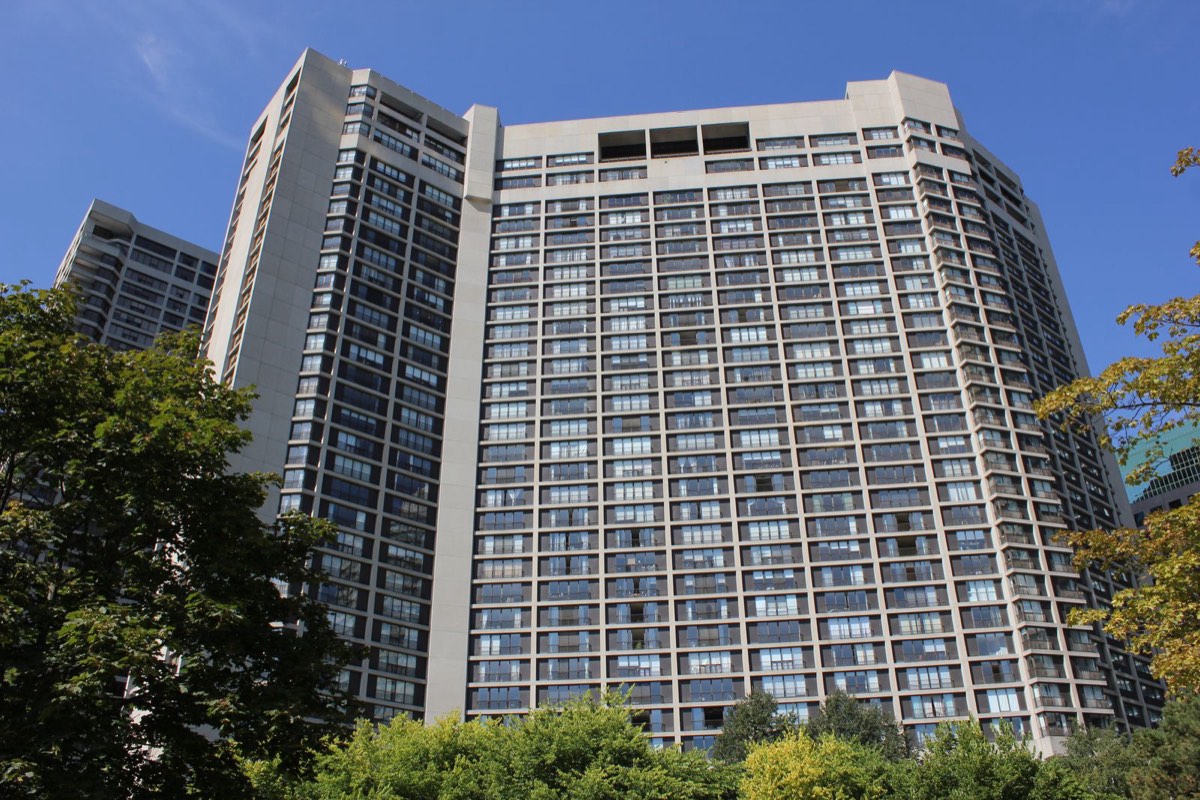
The Condominium Authority Tribunal (CAT) is Ontario's online tribunal for many everyday condo disputes between owners, tenants and condo corporations. This guide walks through a CAT case in late 2026: the three stages, the fees, the usual timelines and the new rules.
- A CAT case runs online in three stages: Stage 1 Negotiation ($25), Stage 2 Mediation ($50) and Stage 3 Adjudication ($125), or $200 if you go all the way.
- The CAO's averages are about one month each for notice, negotiation and mediation, and about three months for adjudication, but cases vary.
- The CAT hears records disputes, nuisances such as noise, odour, smoke, vapour, light and vibration, and governing-document disputes about pets, vehicles, parking and storage.
- New CAT Rules of Practice and a new online platform started on October 1, 2026.
- From July 1, 2027, the CAT can also hear some owners' meeting disputes, and its damages limit rises from $25,000 to $50,000.
Is your dispute one the CAT can hear?
As of late 2026, the CAT can hear disputes about:

- condo records, such as an unanswered or refused records request, or fees for records
- pets, animals, vehicles, parking and storage, where the governing documents have a rule on it
- noise, odour, smoke and vapour, light and vibration, even if the documents say nothing about them
- harassment, but only where the rules or by-laws deal with it and the conduct is not likely to cause injury or illness
- chargebacks and liens, but only when they relate to an issue the CAT can already hear
- a party not following a settlement agreement from an earlier CAT case (file within six months of the breach)
It does not hear repair and maintenance fights, common element changes, board decisions, budgets, most meeting issues, or matters likely to cause injury, illness or property damage. Many of those go to the Superior Court of Justice.
Before you file
- Write to the other side first. Name the problem, the dates and what you want done.
- Keep a log. For noise or smells, note the date, time, length and effect.
- Collect the declaration, by-laws and rules.
- Get an email address for each party you will name.
Stage 1: Negotiation ($25)
You file the application online and pay $25. Once it is accepted, the system emails each party you named an invitation to join. If you have no email address for a party, or they do not join, you must deliver a paper Notice of Case. Under the new Rules, the CAT can close the case if you do not confirm delivery of the paper notice within 30 days of the application being accepted.
The parties message each other and trade offers in the system. If everyone agrees, the system writes a settlement agreement and the case closes. Stage 1 also closes if no one acts in the system for 30 days, or after six months in Stage 1.
If a party does not join within seven days of getting the paper notice, you can pay the Stage 3 fee and go straight to adjudication. Do it within 30 days of being able to, or the CAT can close the case.
Stage 2: Mediation ($50)
If talks fail, you can pay $50 to move to mediation. A CAT Member acts as mediator. They may speak with each side privately. The mediator decides when mediation ends and whether the case may move on.
If all parties agree, one Member can do a combined mediation-adjudication: first trying to settle, then deciding what is left.
Watch the clock. If the mediator allows you to move to Stage 3 and you do not pay within 15 days, the CAT will close the case.
Stage 3: Adjudication ($125)
A CAT Member acting as Adjudicator gets the mediator's Stage 2 Summary and Order. Each side uploads evidence and may call witnesses. The Adjudicator then makes a final, binding decision.
The CAT can order a party to obey the governing documents or the Condominium Act, 1998, and can award damages, currently up to $25,000. It can also order a party to pay another party's costs, for example costs caused by unreasonable behaviour or delay.
Who can represent you
Owners and tenants can act for themselves. A condo corporation must have someone act for it. Under the new Rules, a representative must be licensed by the Law Society of Ontario, or be a person exempt from the Law Society's licensing rules. Licensed paralegals can represent owners, tenants and corporations at the CAT.
Common questions
Can I get the $200 back?
If the case ends with a CAT decision and you win, the other side will typically be ordered to repay your CAT fees, unless the Member decides otherwise. If you settle, fees are usually part of the deal you negotiate, so raise them.
What changes in 2027?
From July 1, 2027, the CAT can hear disputes about whether owners' meetings and AGMs are held, whether notices go out on time and with the required items, and some cost claims by owners who requisitioned a meeting. It will not hear fights about what happens at a meeting, such as votes or proxies.
NEO's licensed paralegals can help you write a demand letter, file and run your CAT case through negotiation, mediation and adjudication, and tell you when your issue belongs in the Superior Court of Justice, where you will need a lawyer. Call 647-200-3526 or toll-free 888-519-2435, email info@neolegalservices.com, or book a free consultation.
Sources
- Condominium Authority of Ontario: The Tribunal's Jurisdiction
- Condominium Authority of Ontario: How much does a CAT case cost and how long does it take
- CAT Rules of Practice, effective October 1, 2026
- O. Reg. 237/26: Condominium Authority Tribunal
- Condominium Authority of Ontario: upcoming meeting and Tribunal changes
Read next: What the Condominium Authority Tribunal Hears
General Ontario legal information, not legal advice for your matter, and reading it does not create a retainer. Sources checked 27 November 2026: check the current law, forms and dates before you act.
Photos from Pexels: A modern residential high-rise in Toronto · Earmuffs hanging on a stand against a teal wall.
This article is general information for people in Ontario, not legal advice. Rules, forms and deadlines change, and every situation is different. Check the current rule or speak to a licensed legal professional before you act.
Not sure where you stand? A licensed paralegal can look at your documents and tell you your options.
Book a Free ConsultationLoading comments…



 PIPEDA-compliant⚖️ By-Law 9 trust accounting checks🛡️ Professional liability insured✅ LSO-licensed paralegal🔐 256-bit AES Encryption📋 Working toward WCAG 2.1 AA🇨🇦 Ontario-based firm🕒 SOC 2-audited hosting providers📄 CASL Compliant💻 Secure Client Portal📊 Transparent Fixed Fees🔍 Verified Google Reviews🤝 Free Initial Consultation🏛️ Law Society of Ontario📜 Professional Corporation🔏 Confidential by professional duty🌐 Province-Wide Service💬 Court interpreters in most languages⏱️ Same-Day Intake Response🗂️ Paperless Document Vault🔄 Real-Time Case Tracking🎓 Honours paralegal graduate · LLB in progress📱 Mobile-friendly client portal🧾 Upfront, written fees🔗 TLS 1.3 Secure Connections🛂 ID checks at sign-up (By-Law 7.1)🧑⚖️ Paralegal Scope of Practice📆 Flexible Appointment Booking💼 Small Business Friendly

