
Your Fundamental Freedoms Under Section 2 of the Charter
Freedom of expression, religion, assembly and association are guaranteed by the Charter. Here is what that protection really means.

Section 2 of the Canadian Charter of Rights and Freedoms sets out four fundamental freedoms that everyone in Canada has.
The Charter protects your freedoms against government action, not against private businesses or individuals. The government can limit these freedoms only if the limit is reasonable and can be justified, under section 1.
The four freedoms
- Freedom of conscience and religion.
- Freedom of thought, belief, opinion and expression, including freedom of the press.
- Freedom of peaceful assembly.
- Freedom of association.
Who must respect them
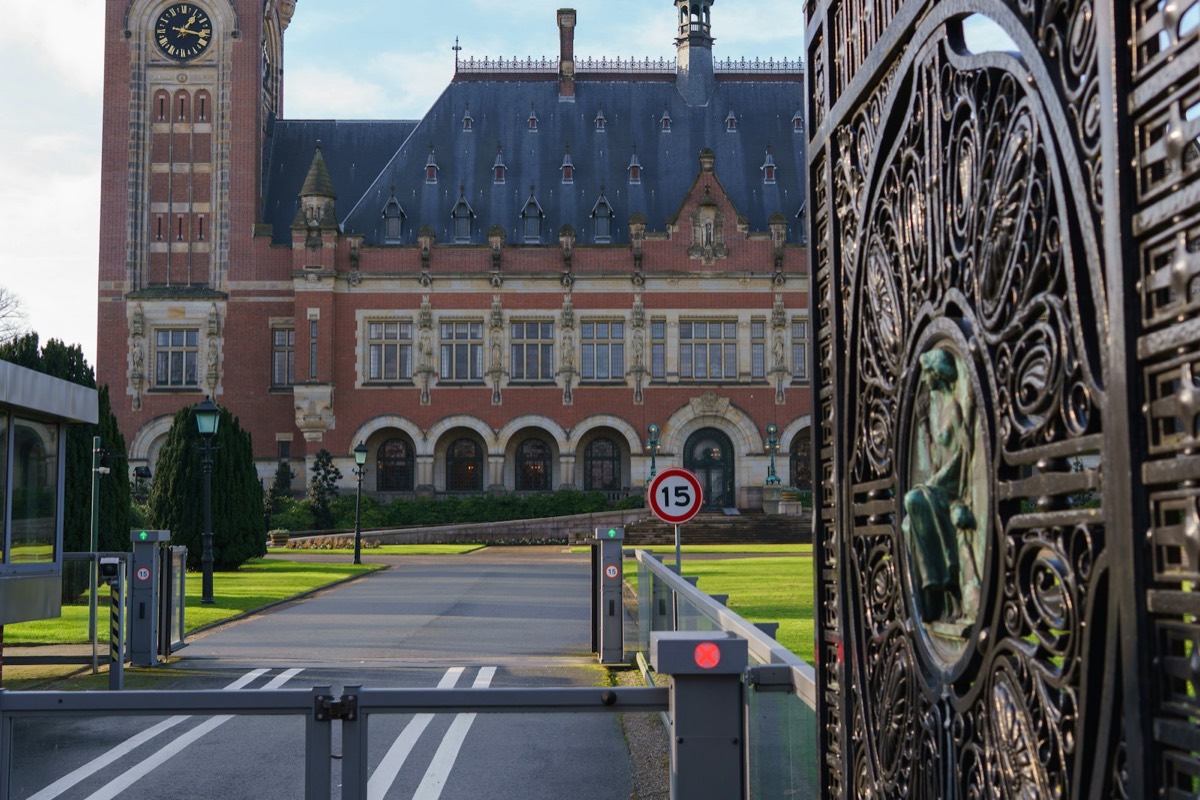
The Charter applies to governments: federal, provincial and municipal, and bodies acting for government, such as police and public schools. Disputes with a private employer, store or landlord are usually covered by human rights laws instead.
The limits
Under section 1, the government may limit a Charter right if the limit is set by law and can be demonstrably justified in a free and democratic society. Courts use the Oakes test to decide.
Examples
- Hate propaganda laws limit expression, and courts have upheld them.
- Protest rules, such as permits or buffer zones, may limit assembly.
If you think your rights were violated
Charter arguments are often raised in court, for example to exclude evidence or challenge a law. Get legal advice early.
Have a question about how a law applies to you? NEO can explain your options. Call 647-200-3526 or toll-free 888-519-2435, email info@neolegalservices.com, or book a free consultation.
Sources
Read next: Equality Rights Under Section 15 of the Charter
General Ontario legal information, not legal advice for your matter, and reading it does not create a retainer. Sources checked 16 October 2026: check the current law, forms and dates before you act.
Photos from Unsplash: brown concrete statue of man · Ornate gate in front of a grand historic building.
This article is general information for people in Ontario, not legal advice. Rules, forms and deadlines change, and every situation is different. Check the current rule or speak to a licensed legal professional before you act.
Not sure where you stand? A licensed paralegal can look at your documents and tell you your options.
Book a Free ConsultationLoading comments…



 PIPEDA-compliant⚖️ By-Law 9 trust accounting checks🛡️ Professional liability insured✅ LSO-licensed paralegal🔐 256-bit AES Encryption📋 Working toward WCAG 2.1 AA🇨🇦 Ontario-based firm🕒 SOC 2-audited hosting providers📄 CASL Compliant💻 Secure Client Portal📊 Transparent Fixed Fees🔍 Verified Google Reviews🤝 Free Initial Consultation🏛️ Law Society of Ontario📜 Professional Corporation🔏 Confidential by professional duty🌐 Province-Wide Service💬 Court interpreters in most languages⏱️ Same-Day Intake Response🗂️ Paperless Document Vault🔄 Real-Time Case Tracking🎓 Honours paralegal graduate · LLB in progress📱 Mobile-friendly client portal🧾 Upfront, written fees🔗 TLS 1.3 Secure Connections🛂 ID checks at sign-up (By-Law 7.1)🧑⚖️ Paralegal Scope of Practice📆 Flexible Appointment Booking💼 Small Business Friendly

