
R. v. Oakes: When the Government Can Limit Your Charter Rights
The Canadian Charter of Rights and Freedoms protects rights such as free expression, equality and the presumption of innocence. But section 1 says those rights are subject to reasonable limits prescribed by law that can be demonstrably justified in a free and democratic society. R. v. Oakes, [1986] 1 S.C.R. 103, set the test courts use to decide whether a limit is justified.

- The government must show the law's objective is pressing and substantial.
- The means must be proportionate: rationally connected, minimally impairing, and with benefits that outweigh the harm.
- The burden is on the government, on a balance of probabilities.
- The test is used in almost every Charter challenge to a law.
The case
David Oakes was found with eight small vials of hashish oil and some cash. Under the Narcotic Control Act of the time, once possession was proven, he was presumed to be in possession for the purpose of trafficking unless he proved otherwise. The Supreme Court held that this reverse onus violated the presumption of innocence in section 11(d) of the Charter, and that it was not saved by section 1, because there was no rational connection between possessing a small amount and an intention to traffic.
The Oakes test
- Pressing and substantial objective: the purpose of the law must be important enough to justify limiting a right.
- Rational connection: the law must be carefully designed to achieve the objective, not arbitrary or unfair.
- Minimal impairment: the law should limit the right as little as reasonably possible.
- Proportionality: the benefits of the law must outweigh its harmful effects on the right.
Why it matters
Oakes is applied when courts review laws about speech, religion, equality, search powers, and more. Most laws that fail do so at the minimal impairment or final balancing step. It also shapes how governments draft new laws, knowing they may have to defend them.
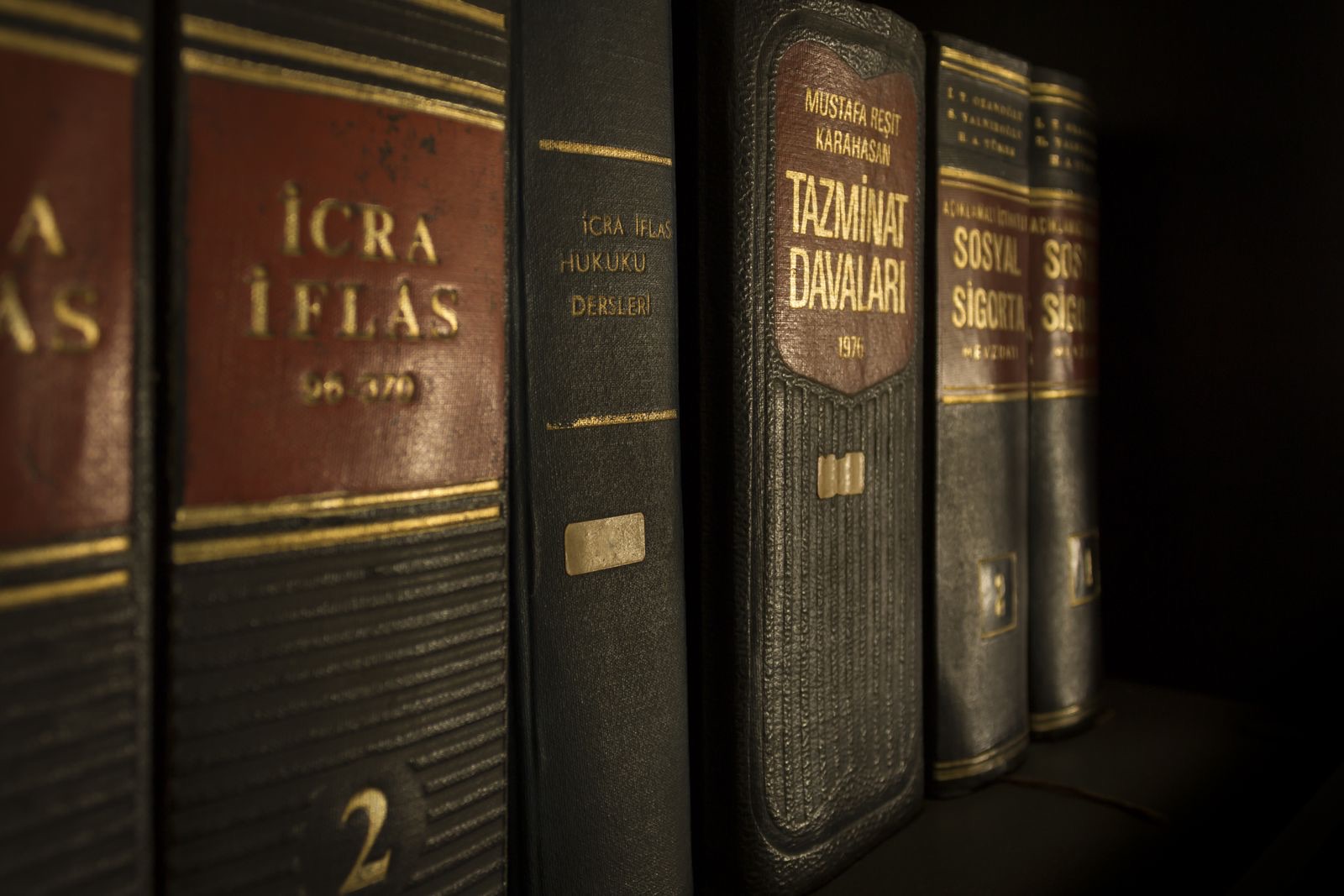
Photos from Pexels: A Lady Justice statue holding the scales · Law books on a library shelf.
This article is general information for people in Ontario, not legal advice. Rules, forms and deadlines change, and every situation is different. Check the current rule or speak to a licensed legal professional before you act.
Not sure where you stand? A licensed paralegal can look at your documents and tell you your options.
Book a Free ConsultationLoading comments…



 PIPEDA-compliant⚖️ By-Law 9 trust accounting checks🛡️ Professional liability insured✅ LSO-licensed paralegal🔐 256-bit AES Encryption📋 Working toward WCAG 2.1 AA🇨🇦 Ontario-based firm🕒 SOC 2-audited hosting providers📄 CASL Compliant💻 Secure Client Portal📊 Transparent Fixed Fees🔍 Verified Google Reviews🤝 Free Initial Consultation🏛️ Law Society of Ontario📜 Professional Corporation🔏 Confidential by professional duty🌐 Province-Wide Service