
Asking a Collector or Debt Buyer to Prove the Debt in Ontario
What to ask a collector or debt buyer for before you pay: original creditor, proof of transfer, balance breakdown and last payment date, worded so it is not an acknowledgment.
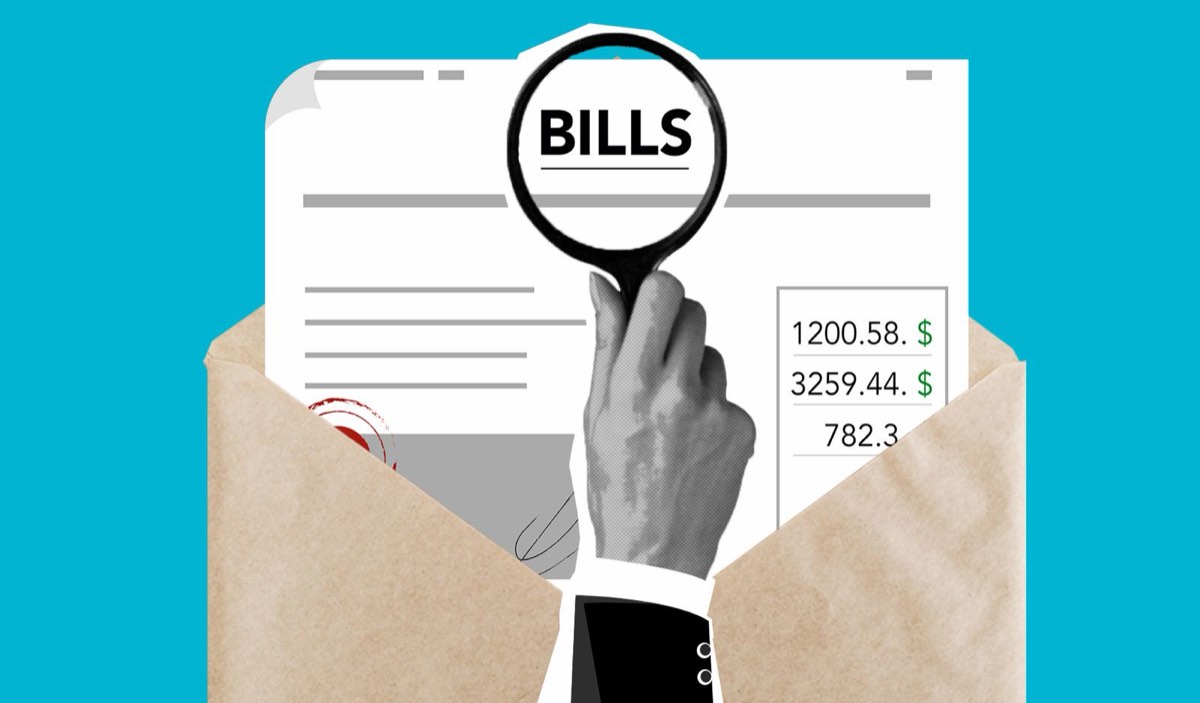
Before you pay a collector or a company that bought your debt, make sure the debt is really yours, the amount is right, and the company has the right to collect it. In Ontario, you can ask for these details in writing. You can also word your request so it does not admit the debt or restart the time limit to sue.
- Ask in writing for the original creditor, proof the debt was transferred, a breakdown of the balance and the date of your last payment.
- An Ontario collection agency must give you a breakdown of the current amount owing if you ask.
- Do not pay, sign or promise anything until you have checked the answers.
- State clearly that your letter is not an acknowledgment of the debt or a promise to pay.
Why proof matters before you pay
Old debts are often sold, sometimes more than once. You may be contacted about:

- a debt that belongs to someone with a similar name
- a debt you already paid or settled
- a balance with interest or charges you never agreed to
- a debt that is too old to sue on in Ontario
If you pay the wrong company, the real owner may still come after you. If you pay part of a debt that is still in time, you restart the limitation period and give the creditor a fresh two years to sue.
What the collector should already tell you
Ontario's rules say an agency's written notice and contacts should tell you:
- the amount owing and the type of account or product
- the name of the creditor and, if different, the original creditor
- the name of the agency and the collector, and how to reach them
- the agency's authority to ask you for payment
The agency must also give you a breakdown of the current amount owing if you ask for one. If any of this is missing, note it. It may support a complaint later.
What to ask for
Send a short letter or email asking for:
- The original creditor and the original account number.
- Proof of the transfer. If the debt was sold or assigned, ask for the document showing who owns it now.
- The agency's authority. Ask who it is collecting for.
- A full breakdown. Ask for principal, interest, fees and payments, and how each was calculated.
- The date of your last payment and the date the account went into default.
- The contract or statements that support the amount.
Only the breakdown is a clear legal duty, but gaps in the other answers are worth noting.
How to keep your request from becoming an acknowledgment
Under Ontario's Limitations Act, 2002, a signed written acknowledgment of a debt, or a part payment, made before the limitation period runs out can restart the clock. An email or text may count as signed writing. So:
- Do not say "I owe," "my debt" or "I will pay."
- Do say "the account you say is mine" or "the alleged debt."
- Add a line such as: "This letter is not an acknowledgment of any debt and is not a promise to pay."
- Do not send any payment with your request, even a small one.
- Do not sign forms the collector sends you.
How to send it and what comes next
- Send your request by a method you can prove, such as email or registered mail.
- Keep a copy and the delivery proof.
- Give the collector a reasonable time to answer, such as 30 days.
- Compare the answer with your bank statements, receipts and old letters.
- Check your credit report for the same account. If the details are wrong, you can dispute them with Equifax and TransUnion.
Asking for proof does not, by itself, stop collection contact. If you also want contact to stop, you can send a notice by a method you can prove, saying you dispute the debt and asking that it be taken to court. The collector may then advise the creditor to sue.
If the answers do not add up
- If the debt is not yours, say so in writing. The agency must take reasonable steps to confirm it has the right person.
- If you already paid, send proof.
- If the agency breaks the rules, you can complain to Consumer Protection Ontario.
- If you are sued, file a Defence on time and raise every issue.
Common questions
Does the collector have to stop calling while I wait for proof?
Not just because you asked for proof. Contact must stop if you send a proper dispute notice, if your licensed paralegal or lawyer tells the agency to deal only with them, or if you are not the debtor.
Should I pay a small amount to show good faith?
Be careful. A part payment can restart the two-year limitation period. Get your proof and advice first.
What if the collector cannot show who owns the debt?
That is a good reason not to pay yet. If they sue, they must prove their claim.
A NEO licensed paralegal can write the proof request for you, review what the collector sends back, and represent you in Small Claims Court if you are sued. Call 647-200-3526 or toll-free 888-519-2435, email info@neolegalservices.com, or book a free consultation.
Sources
- Stop collection agency calls (Ontario)
- Prohibited practices and conduct: A guide for collection agencies (Ontario)
- Limitations Act, 2002 (Ontario e-Laws)
- R.R.O. 1990, Reg. 74: General, under the Collection and Debt Settlement Services Act (Ontario e-Laws)
Read next: Responding to a Debt You Do Not Recognize
General Ontario legal information, not legal advice for your matter, and reading it does not create a retainer. Sources checked 27 November 2026: check the current law, forms and dates before you act.
Photos from Pexels: A magnifying glass over bills in an envelope · Hands using a calculator among receipts and documents.
This article is general information for people in Ontario, not legal advice. Rules, forms and deadlines change, and every situation is different. Check the current rule or speak to a licensed legal professional before you act.
Not sure where you stand? A licensed paralegal can look at your documents and tell you your options.
Book a Free ConsultationLoading comments…



 PIPEDA-compliant⚖️ By-Law 9 trust accounting checks🛡️ Professional liability insured✅ LSO-licensed paralegal🔐 256-bit AES Encryption📋 Working toward WCAG 2.1 AA🇨🇦 Ontario-based firm🕒 SOC 2-audited hosting providers📄 CASL Compliant💻 Secure Client Portal📊 Transparent Fixed Fees🔍 Verified Google Reviews🤝 Free Initial Consultation🏛️ Law Society of Ontario📜 Professional Corporation🔏 Confidential by professional duty🌐 Province-Wide Service💬 Court interpreters in most languages⏱️ Same-Day Intake Response🗂️ Paperless Document Vault🔄 Real-Time Case Tracking🎓 Honours paralegal graduate · LLB in progress📱 Mobile-friendly client portal🧾 Upfront, written fees🔗 TLS 1.3 Secure Connections🛂 ID checks at sign-up (By-Law 7.1)🧑⚖️ Paralegal Scope of Practice📆 Flexible Appointment Booking💼 Small Business Friendly

