
Preserving Evidence Before and During a Lawsuit
The best case can be lost if the evidence disappears. Here is how to keep what matters, and why destroying evidence backfires.
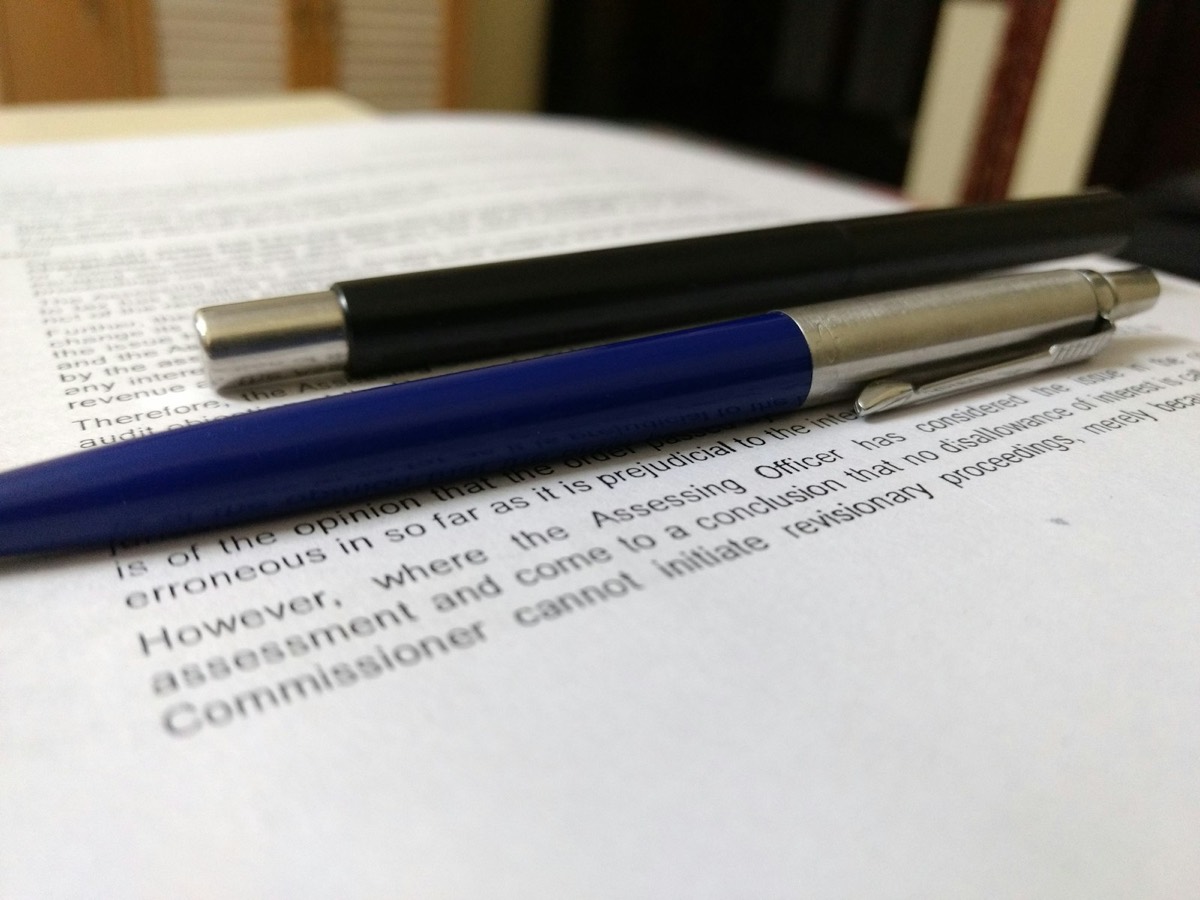
Once a legal dispute is reasonably likely, both sides should preserve relevant evidence. Destroying it, even by accident, can hurt your case.
Keep everything related to the dispute: emails, texts, photos, videos, receipts, contracts and devices. Turn off automatic deletion, and ask the other side in writing to keep their evidence too.
What to keep
- Emails and text messages, including on old phones
- Photos and videos, with their original files
- Contracts, invoices, receipts and bank records
- Social media posts and messages
- Physical items, such as a defective product
How to keep it
- Back up phones and computers.
- Turn off auto-delete settings in messaging apps and email.
- Export chats with dates and names.
- Store physical items safely, without repairing or throwing them away.
Ask the other side

A short letter asking the other party to preserve relevant evidence (a "preservation letter") puts them on notice.
If evidence is destroyed
Courts can draw an adverse inference: assume the missing evidence would have hurt the side that destroyed it. This is known as spoliation.
Security video
Stores, buildings and cities often keep video only for days or weeks. Ask for it in writing right away.
Have a claim, or been sued? NEO represents clients in Small Claims Court (claims up to $50,000) and can tell you if your matter needs a lawyer. Call 647-200-3526 or toll-free 888-519-2435, email info@neolegalservices.com, or book a free consultation.
Sources
Read next: Joint and Several Liability: When More Than One Person Is at Fault
General Ontario legal information, not legal advice for your matter, and reading it does not create a retainer. Sources checked 16 October 2026: check the current law, forms and dates before you act.
Photos from Unsplash: two black and blue click pens on white book page · a row of books sitting on top of a shelf.
This article is general information for people in Ontario, not legal advice. Rules, forms and deadlines change, and every situation is different. Check the current rule or speak to a licensed legal professional before you act.
Not sure where you stand? A licensed paralegal can look at your documents and tell you your options.
Book a Free ConsultationLoading comments…



 PIPEDA-compliant⚖️ By-Law 9 trust accounting checks🛡️ Professional liability insured✅ LSO-licensed paralegal🔐 256-bit AES Encryption📋 Working toward WCAG 2.1 AA🇨🇦 Ontario-based firm🕒 SOC 2-audited hosting providers📄 CASL Compliant💻 Secure Client Portal📊 Transparent Fixed Fees🔍 Verified Google Reviews🤝 Free Initial Consultation🏛️ Law Society of Ontario📜 Professional Corporation🔏 Confidential by professional duty🌐 Province-Wide Service💬 Court interpreters in most languages⏱️ Same-Day Intake Response🗂️ Paperless Document Vault🔄 Real-Time Case Tracking🎓 Honours paralegal graduate · LLB in progress📱 Mobile-friendly client portal🧾 Upfront, written fees🔗 TLS 1.3 Secure Connections🛂 ID checks at sign-up (By-Law 7.1)🧑⚖️ Paralegal Scope of Practice📆 Flexible Appointment Booking💼 Small Business Friendly

