
Marriage Contracts and Cohabitation Agreements in Ontario
A domestic contract can set out what happens to property and support if a relationship ends. Here is how they work in Ontario.
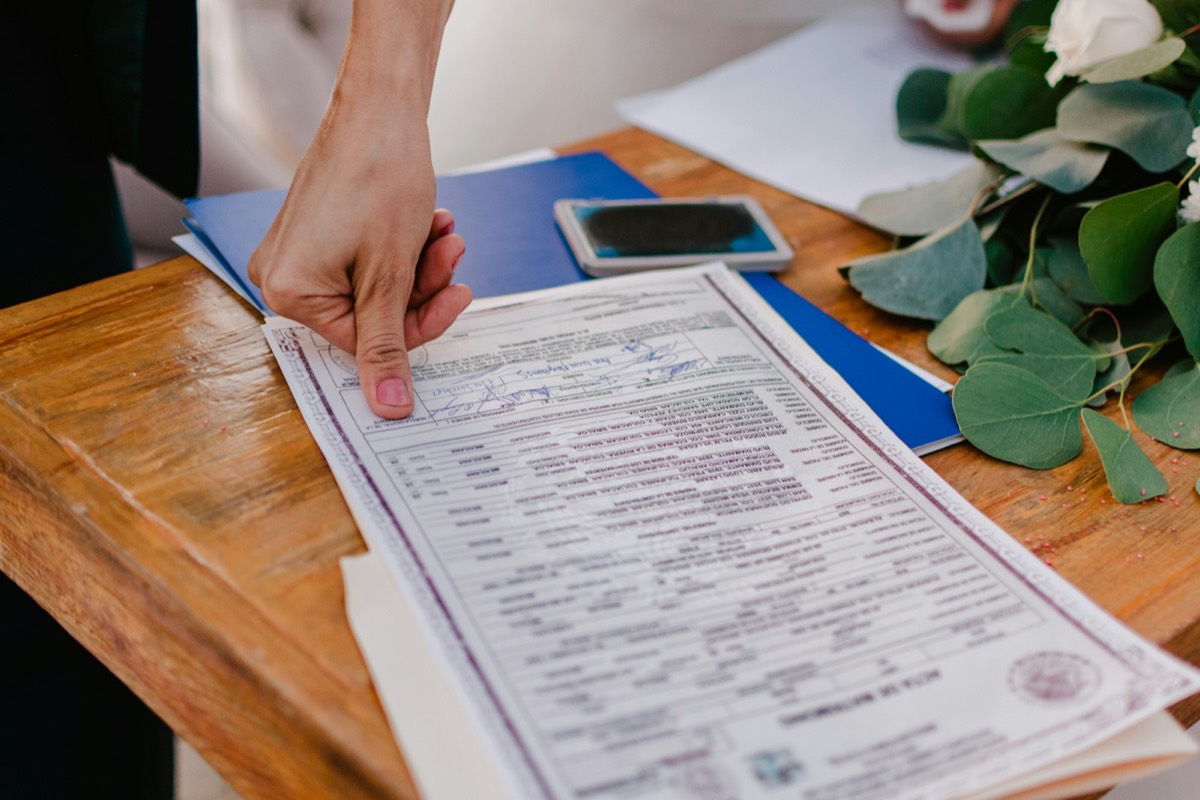
Ontario's Family Law Act allows domestic contracts: marriage contracts (for married or soon-to-be-married couples) and cohabitation agreements (for couples living together).
A domestic contract must be in writing, signed by both people, and witnessed. Each person should get independent legal advice and full financial disclosure. Some terms, such as those about custody or the matrimonial home, have limits.
Formal requirements
Under section 55 of the Family Law Act, a domestic contract must be:
- in writing;
- signed by both parties; and
- witnessed.
What it can cover
- Ownership and division of property
- Spousal support
- Other matters in the relationship
Limits
- Terms about children's custody and parenting can be set aside if not in the child's best interests.
- A marriage contract can't limit a spouse's rights to possession of the matrimonial home.
When courts set them aside
- One person didn't disclose significant assets or debts.
- One person didn't understand the nature or consequences of the contract.
- Other contract law grounds, such as duress.
Independent legal advice

Each person should have their own lawyer review the contract. It makes the agreement much harder to challenge.
Getting help
Family law is outside a paralegal's licence. NEO can refer you to a family lawyer and commission documents.
Family law is outside a paralegal's licence. NEO can refer you to a family lawyer, and commission or notarize documents. Call 647-200-3526 or toll-free 888-519-2435, email info@neolegalservices.com, or book a free consultation.
Sources
Read next: Getting Married in Ontario: The Marriage Licence and Ceremony
General Ontario legal information, not legal advice for your matter, and reading it does not create a retainer. Sources checked 16 October 2026: check the current law, forms and dates before you act.
Photos from Unsplash: Person pointing at a marriage certificate on a wooden table · Couple signing wedding papers with guests watching.
This article is general information for people in Ontario, not legal advice. Rules, forms and deadlines change, and every situation is different. Check the current rule or speak to a licensed legal professional before you act.
Not sure where you stand? A licensed paralegal can look at your documents and tell you your options.
Book a Free ConsultationLoading comments…



 PIPEDA-compliant⚖️ By-Law 9 trust accounting checks🛡️ Professional liability insured✅ LSO-licensed paralegal🔐 256-bit AES Encryption📋 Working toward WCAG 2.1 AA🇨🇦 Ontario-based firm🕒 SOC 2-audited hosting providers📄 CASL Compliant💻 Secure Client Portal📊 Transparent Fixed Fees🔍 Verified Google Reviews🤝 Free Initial Consultation🏛️ Law Society of Ontario📜 Professional Corporation🔏 Confidential by professional duty🌐 Province-Wide Service💬 Court interpreters in most languages⏱️ Same-Day Intake Response🗂️ Paperless Document Vault🔄 Real-Time Case Tracking🎓 Honours paralegal graduate · LLB in progress📱 Mobile-friendly client portal🧾 Upfront, written fees🔗 TLS 1.3 Secure Connections🛂 ID checks at sign-up (By-Law 7.1)🧑⚖️ Paralegal Scope of Practice📆 Flexible Appointment Booking💼 Small Business Friendly

