
Easements and Rights-of-Way: Sharing Land in Ontario
A shared driveway, a path to the lake, a hydro line across the yard: easements are common. Here is how they work.
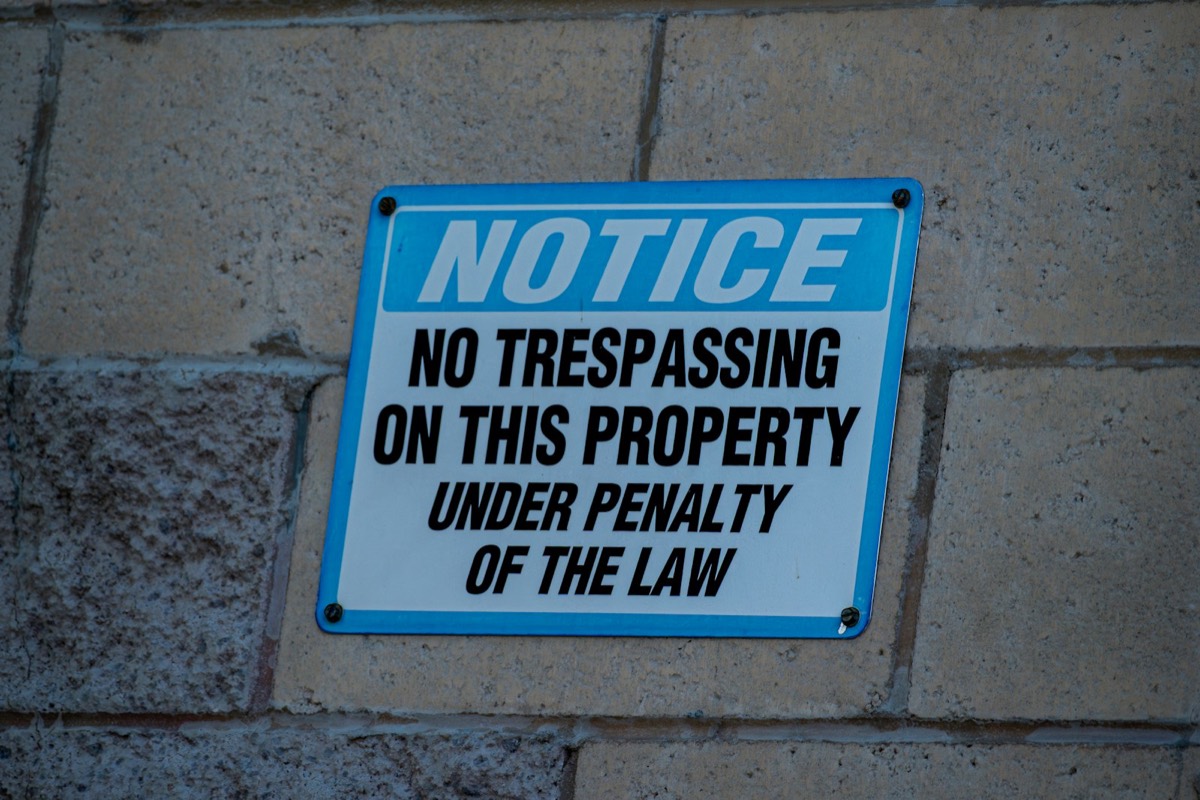
An easement is a right to use part of someone else's land for a specific purpose, such as a right-of-way over a driveway, or a utility line.
Most easements are registered on title, so check your title documents. An easement usually stays with the land when it is sold. Disputes often involve blocking access or using the easement for more than it allows.
How easements are created
- Registered on title by agreement or transfer.
- Utility easements for hydro, gas or telecom lines.
- In some older cases, by long use (prescription), which is much harder on land in Ontario's Land Titles system.
Common examples
- Shared or mutual driveways
- Access paths to a lake or back lot
- Sewer, water or hydro lines
Rights and duties
- The person who benefits can use the easement only for its purpose.
- The owner of the land can't block or unreasonably interfere with the use.
- Who maintains it depends on the easement's terms.
Common disputes
- Parked cars or fences blocking a right-of-way
- Disagreements about repair costs
- Using a right-of-way for heavier traffic than intended
Before buying

Your real estate lawyer will review easements on title. Ask about any shared driveway or path before you buy.
Buying, selling and title matters need a real estate lawyer. NEO can help with related money disputes in Small Claims Court and refer you for the rest. Call 647-200-3526 or toll-free 888-519-2435, email info@neolegalservices.com, or book a free consultation.
Sources
Read next: Adverse Possession ('Squatters' Rights') in Ontario
General Ontario legal information, not legal advice for your matter, and reading it does not create a retainer. Sources checked 16 October 2026: check the current law, forms and dates before you act.
Photos from Unsplash: Notice no trespassing on this property sign · hardbound books.
This article is general information for people in Ontario, not legal advice. Rules, forms and deadlines change, and every situation is different. Check the current rule or speak to a licensed legal professional before you act.
Not sure where you stand? A licensed paralegal can look at your documents and tell you your options.
Book a Free ConsultationLoading comments…



 PIPEDA-compliant⚖️ By-Law 9 trust accounting checks🛡️ Professional liability insured✅ LSO-licensed paralegal🔐 256-bit AES Encryption📋 Working toward WCAG 2.1 AA🇨🇦 Ontario-based firm🕒 SOC 2-audited hosting providers📄 CASL Compliant💻 Secure Client Portal📊 Transparent Fixed Fees🔍 Verified Google Reviews🤝 Free Initial Consultation🏛️ Law Society of Ontario📜 Professional Corporation🔏 Confidential by professional duty🌐 Province-Wide Service💬 Court interpreters in most languages⏱️ Same-Day Intake Response🗂️ Paperless Document Vault🔄 Real-Time Case Tracking🎓 Honours paralegal graduate · LLB in progress📱 Mobile-friendly client portal🧾 Upfront, written fees🔗 TLS 1.3 Secure Connections🛂 ID checks at sign-up (By-Law 7.1)🧑⚖️ Paralegal Scope of Practice📆 Flexible Appointment Booking💼 Small Business Friendly

