
Contributory Negligence: When You Were Partly at Fault
Being partly at fault doesn't usually end your claim. It reduces it. Here is how Ontario courts share out the blame.

Under Ontario's Negligence Act, if you were partly responsible for your own loss, the court reduces your damages by your share of the fault. This is called contributory negligence.
Partial fault doesn't usually defeat a claim. If you were 25% at fault, you generally recover 75% of your damages.
Examples
- Not wearing a seatbelt in a collision someone else caused.
- Walking on a visibly icy path when a safer route was available.
- Ignoring clear warning signs.
How fault is decided
The judge looks at what each person did, and what a reasonable person would have done. If the court can't decide the shares, fault is usually split equally.
Defending against it
- Show you acted reasonably in the circumstances.
- Show your conduct didn't contribute to the harm, for example that a seatbelt wouldn't have prevented the injury.
In Small Claims Court
The same rules apply. Be ready to explain what you did, and why it was reasonable.
Insurance
In Ontario motor vehicle cases, the fault determination rules decide fault between insurers for some purposes, but courts apply the Negligence Act in lawsuits.
Have a claim, or been sued? NEO represents clients in Small Claims Court (claims up to $50,000) and can tell you if your matter needs a lawyer. Call 647-200-3526 or toll-free 888-519-2435, email info@neolegalservices.com, or book a free consultation.
Sources
Read next: Expert Evidence: When You Need an Expert in a Civil Case
General Ontario legal information, not legal advice for your matter, and reading it does not create a retainer. Sources checked 16 October 2026: check the current law, forms and dates before you act.
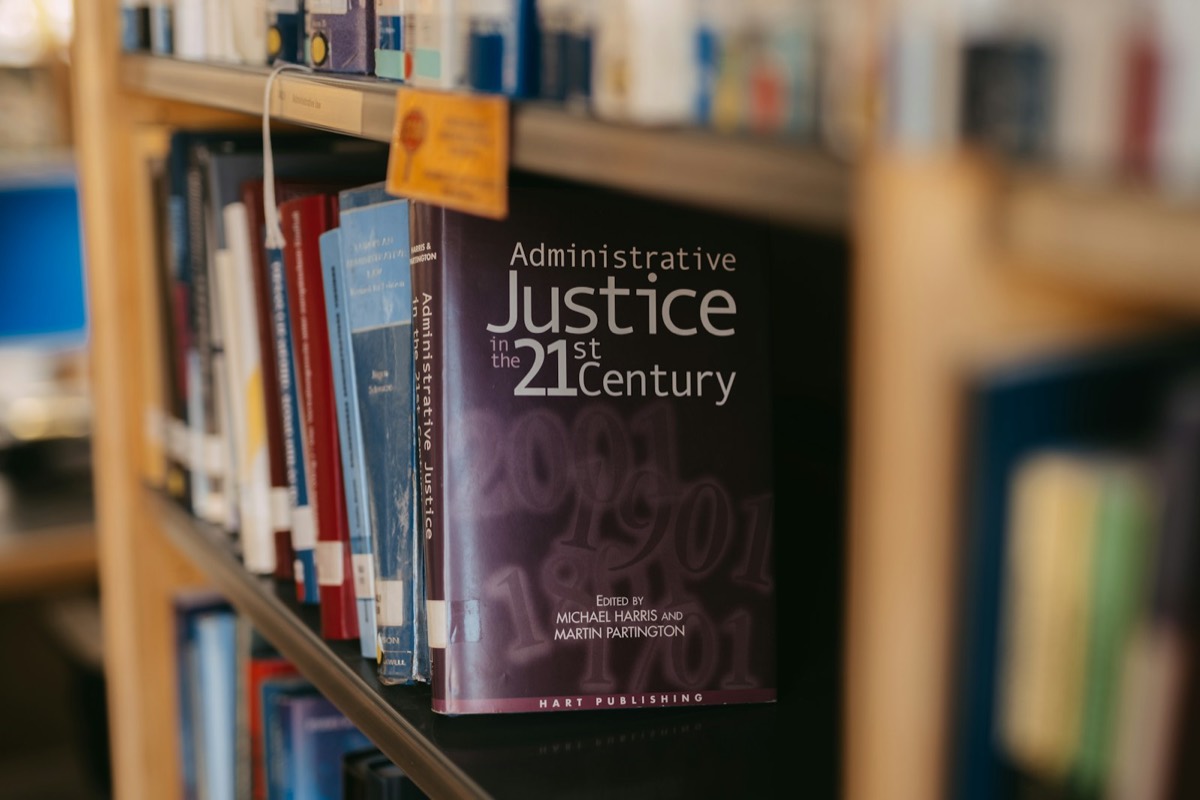
Photos from Unsplash: a statue of a lady justice holding a scale · A book about administrative justice is on a shelf.
This article is general information for people in Ontario, not legal advice. Rules, forms and deadlines change, and every situation is different. Check the current rule or speak to a licensed legal professional before you act.
Not sure where you stand? A licensed paralegal can look at your documents and tell you your options.
Book a Free ConsultationLoading comments…



 PIPEDA-compliant⚖️ By-Law 9 trust accounting checks🛡️ Professional liability insured✅ LSO-licensed paralegal🔐 256-bit AES Encryption📋 Working toward WCAG 2.1 AA🇨🇦 Ontario-based firm🕒 SOC 2-audited hosting providers📄 CASL Compliant💻 Secure Client Portal📊 Transparent Fixed Fees🔍 Verified Google Reviews🤝 Free Initial Consultation🏛️ Law Society of Ontario📜 Professional Corporation🔏 Confidential by professional duty🌐 Province-Wide Service💬 Court interpreters in most languages⏱️ Same-Day Intake Response🗂️ Paperless Document Vault🔄 Real-Time Case Tracking🎓 Honours paralegal graduate · LLB in progress📱 Mobile-friendly client portal🧾 Upfront, written fees🔗 TLS 1.3 Secure Connections🛂 ID checks at sign-up (By-Law 7.1)🧑⚖️ Paralegal Scope of Practice📆 Flexible Appointment Booking💼 Small Business Friendly

