
What Happens at an Assessment Hearing After a Default
The defendant never responded, but you still have to prove how much you're owed. That happens at an assessment hearing. Here is what to expect.

If a defendant doesn't file a defence in Small Claims Court, you can ask for them to be noted in default. What happens next depends on your claim.
For a simple debt (a fixed amount of money owed), the clerk can sign default judgment. For other claims, such as damages for poor work, you must prove the amount at an assessment hearing or by a motion in writing.
Debt or damages?
- Debt or liquidated demand: an amount that can be calculated, such as an unpaid invoice. The clerk can sign default judgment.
- Unliquidated damages: an amount that needs the court's assessment, such as repair costs, lost income or pain and suffering.
How to ask
You can ask for an assessment hearing, or a motion in writing for an assessment of damages, using the court's forms.
Preparing
- Your claim and proof of service
- Invoices, estimates, photos and receipts
- A clear calculation of each amount you ask for
At the hearing
You present your evidence. The defendant, having been noted in default, generally can't dispute the claim without first asking to set aside the default.
After judgment
You can enforce the judgment, for example by garnishment.
NEO represents plaintiffs and defendants in Small Claims Court across Ontario. Call 647-200-3526 or toll-free 888-519-2435, email info@neolegalservices.com, or book a free consultation.
Sources
Read next: Suing Someone Who Lives Outside Ontario
General Ontario legal information, not legal advice for your matter, and reading it does not create a retainer. Sources checked 16 October 2026: check the current law, forms and dates before you act.
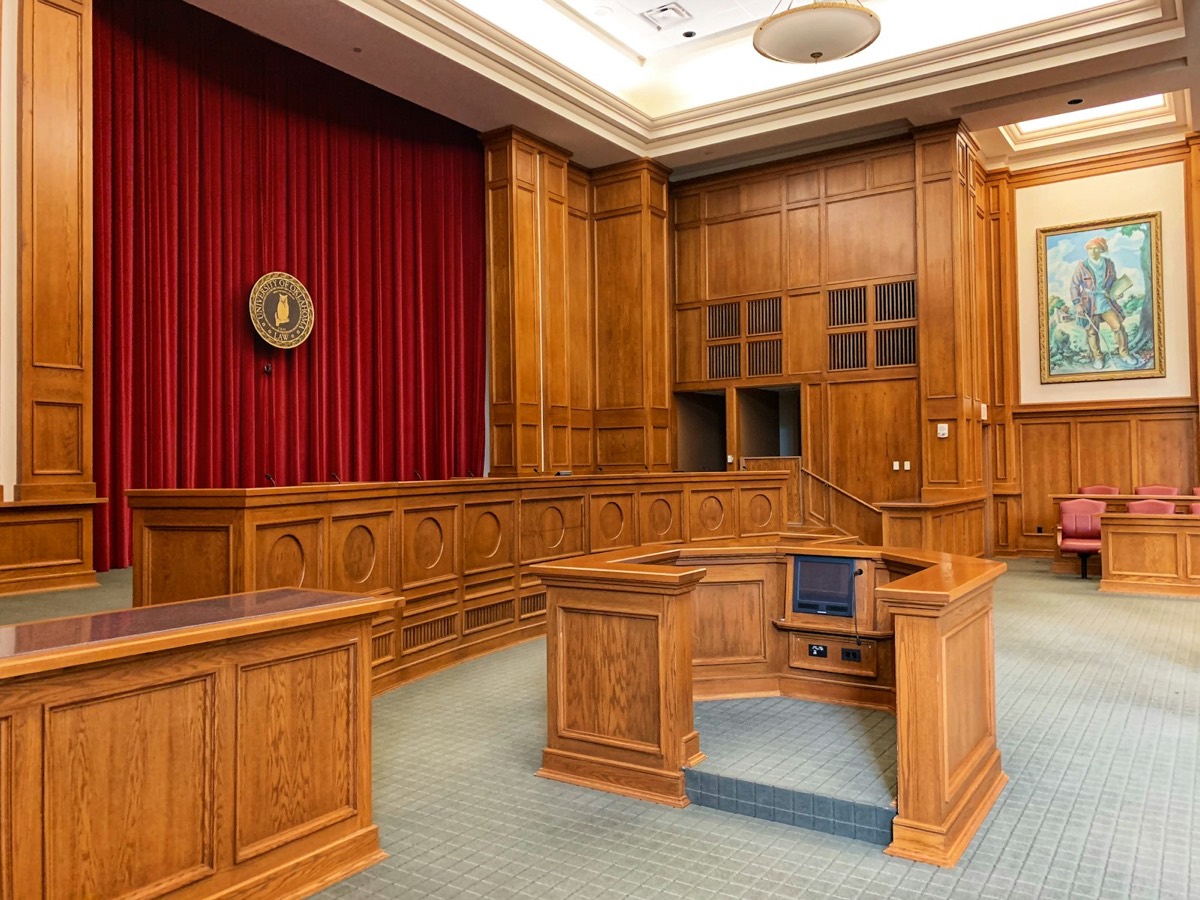
Photos from Unsplash: a wooden judge's hammer sitting on top of a table · architectural photography of trial court interior view.
This article is general information for people in Ontario, not legal advice. Rules, forms and deadlines change, and every situation is different. Check the current rule or speak to a licensed legal professional before you act.
Not sure where you stand? A licensed paralegal can look at your documents and tell you your options.
Book a Free ConsultationLoading comments…



 PIPEDA-compliant⚖️ By-Law 9 trust accounting checks🛡️ Professional liability insured✅ LSO-licensed paralegal🔐 256-bit AES Encryption📋 Working toward WCAG 2.1 AA🇨🇦 Ontario-based firm🕒 SOC 2-audited hosting providers📄 CASL Compliant💻 Secure Client Portal📊 Transparent Fixed Fees🔍 Verified Google Reviews🤝 Free Initial Consultation🏛️ Law Society of Ontario📜 Professional Corporation🔏 Confidential by professional duty🌐 Province-Wide Service💬 Court interpreters in most languages⏱️ Same-Day Intake Response🗂️ Paperless Document Vault🔄 Real-Time Case Tracking🎓 Honours paralegal graduate · LLB in progress📱 Mobile-friendly client portal🧾 Upfront, written fees🔗 TLS 1.3 Secure Connections🛂 ID checks at sign-up (By-Law 7.1)🧑⚖️ Paralegal Scope of Practice📆 Flexible Appointment Booking💼 Small Business Friendly

