
Recovering unpaid invoices from an Ontario customer
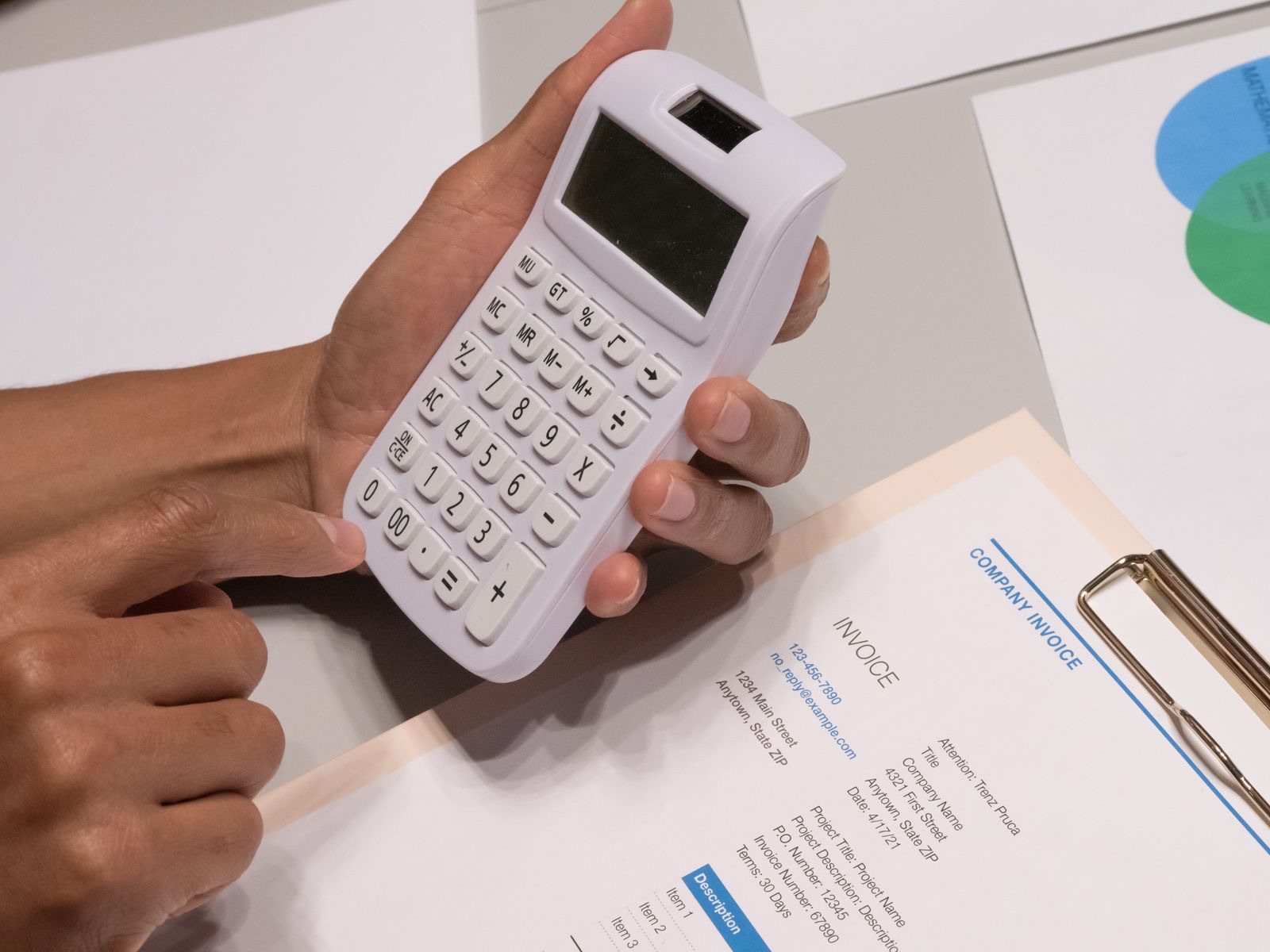
An unpaid invoice is easier to pursue when the underlying agreement and completed work are documented. Collect the purchase order, accepted quote, delivery records, approvals, invoice, and payment history. Identify any complaints or disputed credits before stating the balance.

Confirm the customer's legal identity and review limitation periods before extending payment discussions. A concise demand can explain the amount and invite a concrete response. If settlement fails, consider the appropriate court, the cost of proceeding, and realistic collection prospects. An invoice alone may not prove that the recipient agreed to every charge. Evidence of authorization and performance helps explain why the debt is owed. Preserve the original records even if you prepare a simplified account statement.
Build a file that proves authorization, performance, and the unpaid balance separately. An accepted quotation may establish the price, delivery records may show the goods arrived, and a reconciliation may explain later credits. If the customer disputes quality, include the complaint and your response rather than presenting the invoice as uncontested. For a continuing commercial relationship, separate the disputed account from later work so there is no confusion about what is being demanded or what a proposed payment would satisfy.
Consider a realistic resolution process before incurring court expense. A missing approval or delivery document may be easier to obtain than a judgment. A genuine dispute about a small portion of the work may permit agreement on the remainder, provided the terms are clear. Avoid accepting ambiguous payment wording without reviewing its effect. If a claim becomes necessary, your evidence should explain the agreement and loss in plain language. Consistent record keeping improves both negotiations and the ability to assess whether litigation is economically worthwhile.
Ask NEO to review your unpaid invoices and the next appropriate recovery step. Call 647-200-3526 or toll-free 888-519-2435, email info@neolegalservices.com, or book a free consultation.
Sources
- Ontario guide to making a Small Claims Court claim
- Limitations Act 2002 particularly sections 4 5 and 13
Read next: Why a payment promise may affect a limitation period
General Ontario legal information, not legal advice for your matter, and reading it does not create a retainer. Sources checked 15 October 2026: check the current law, forms and dates before you act.
Photos from Pexels: Using a calculator beside an invoice · A desk with a laptop, a plant and a contract.
This article is general information for people in Ontario, not legal advice. Rules, forms and deadlines change, and every situation is different. Check the current rule or speak to a licensed legal professional before you act.
Not sure where you stand? A licensed paralegal can look at your documents and tell you your options.
Book a Free ConsultationLoading comments…



 PIPEDA-compliant⚖️ By-Law 9 trust accounting checks🛡️ Professional liability insured✅ LSO-licensed paralegal🔐 256-bit AES Encryption📋 Working toward WCAG 2.1 AA🇨🇦 Ontario-based firm🕒 SOC 2-audited hosting providers📄 CASL Compliant💻 Secure Client Portal📊 Transparent Fixed Fees🔍 Verified Google Reviews🤝 Free Initial Consultation🏛️ Law Society of Ontario📜 Professional Corporation🔏 Confidential by professional duty🌐 Province-Wide Service