
Recovering money ordered by the Landlord and Tenant Board
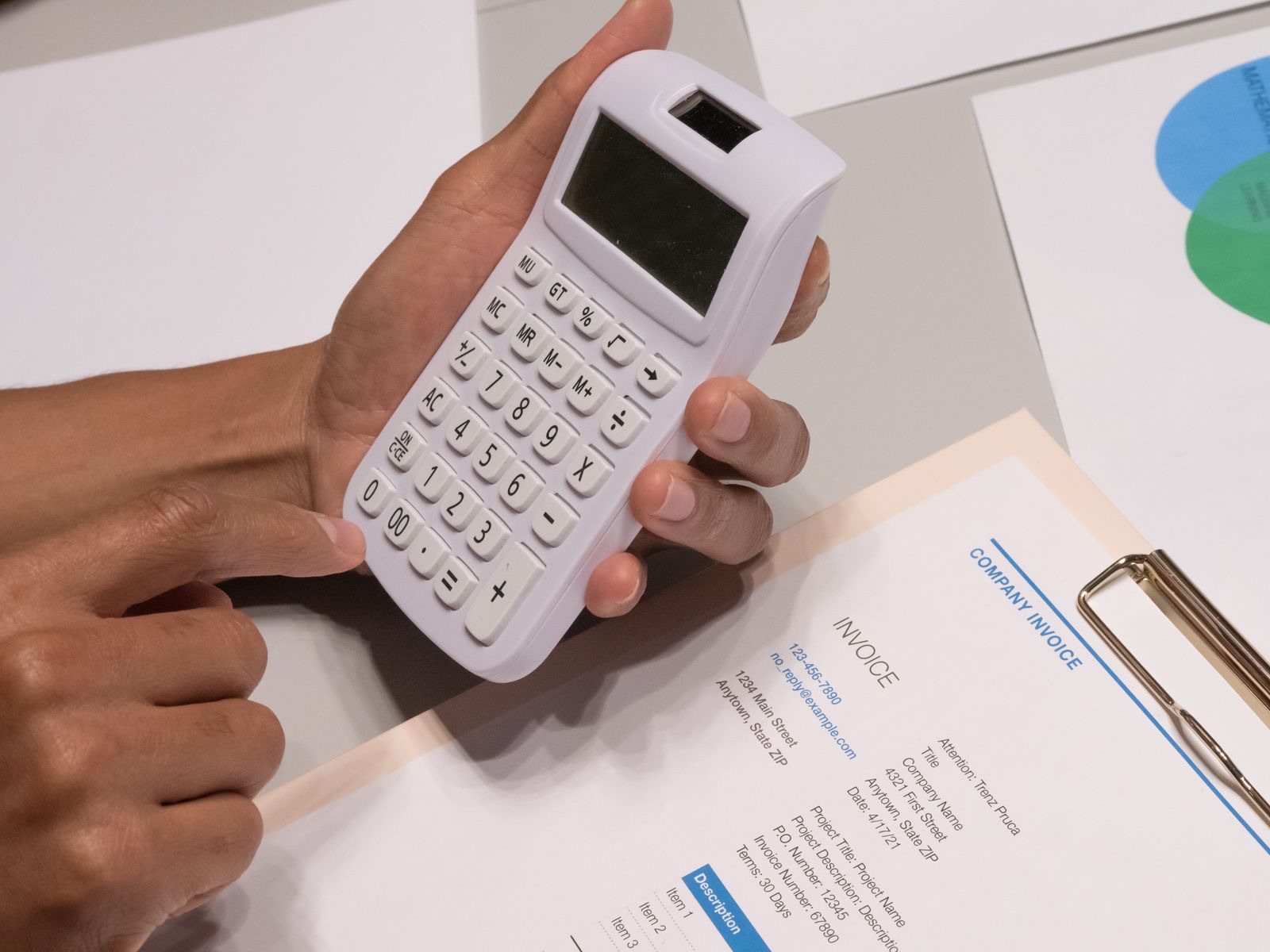
An LTB money order may require further steps before unpaid amounts are collected. Obtain the complete order and confirm the parties, amount, payment date, and whether any stay or review affects enforcement. Keep a ledger showing payments and the remaining balance.

The process for enforcing a monetary obligation differs from enforcing an eviction. Certain tribunal orders can be filed with the court for enforcement, subject to the applicable requirements. Choose the next step using accurate information about the debtor and available legal methods. Do not treat the order as authority to seize belongings, change locks, or pressure unrelated people. Confirm the proper procedure and anticipated expense before proceeding. Collection work should remain tied to what the order actually permits.
Start with the operative parts of the order. Some amounts may be immediately payable, others may depend on dates or conditions, and a later order may change the position. Obtain the complete document rather than a screenshot of one paragraph. Confirm that the person named as debtor is the person against whom enforcement is proposed. If the order includes rent amounts that change over time, prepare a transparent calculation and check the legal basis for the balance you intend to file or enforce.
Keep the tribunal file and the court enforcement file organized together while recognizing that they serve different purposes. Record any review request, stay, payment agreement, or direct payment that could affect the next step. An eviction order should be addressed through the authorized enforcement process, and a money order through the appropriate collection procedure. If the debtor offers instalments, clarify what happens to existing enforcement and when satisfaction will be recorded. Accurate records can prevent unnecessary expense and disputes about whether the amount collected matches the order.
Speak with NEO about the steps needed to enforce your unpaid LTB money order. Call 647-200-3526 or toll-free 888-519-2435, email info@neolegalservices.com, or book a free consultation.
Sources
Read next: Settling a debt for a reduced lump sum
General Ontario legal information, not legal advice for your matter, and reading it does not create a retainer. Sources checked 15 October 2026: check the current law, forms and dates before you act.
Photos from Pexels: Using a calculator beside an invoice · Reviewing documents with a highlighter.
This article is general information for people in Ontario, not legal advice. Rules, forms and deadlines change, and every situation is different. Check the current rule or speak to a licensed legal professional before you act.
Not sure where you stand? A licensed paralegal can look at your documents and tell you your options.
Book a Free ConsultationLoading comments…



 PIPEDA-compliant⚖️ By-Law 9 trust accounting checks🛡️ Professional liability insured✅ LSO-licensed paralegal🔐 256-bit AES Encryption📋 Working toward WCAG 2.1 AA🇨🇦 Ontario-based firm🕒 SOC 2-audited hosting providers📄 CASL Compliant💻 Secure Client Portal📊 Transparent Fixed Fees🔍 Verified Google Reviews🤝 Free Initial Consultation🏛️ Law Society of Ontario📜 Professional Corporation🔏 Confidential by professional duty🌐 Province-Wide Service