
Documenting a payment plan for an Ontario debt
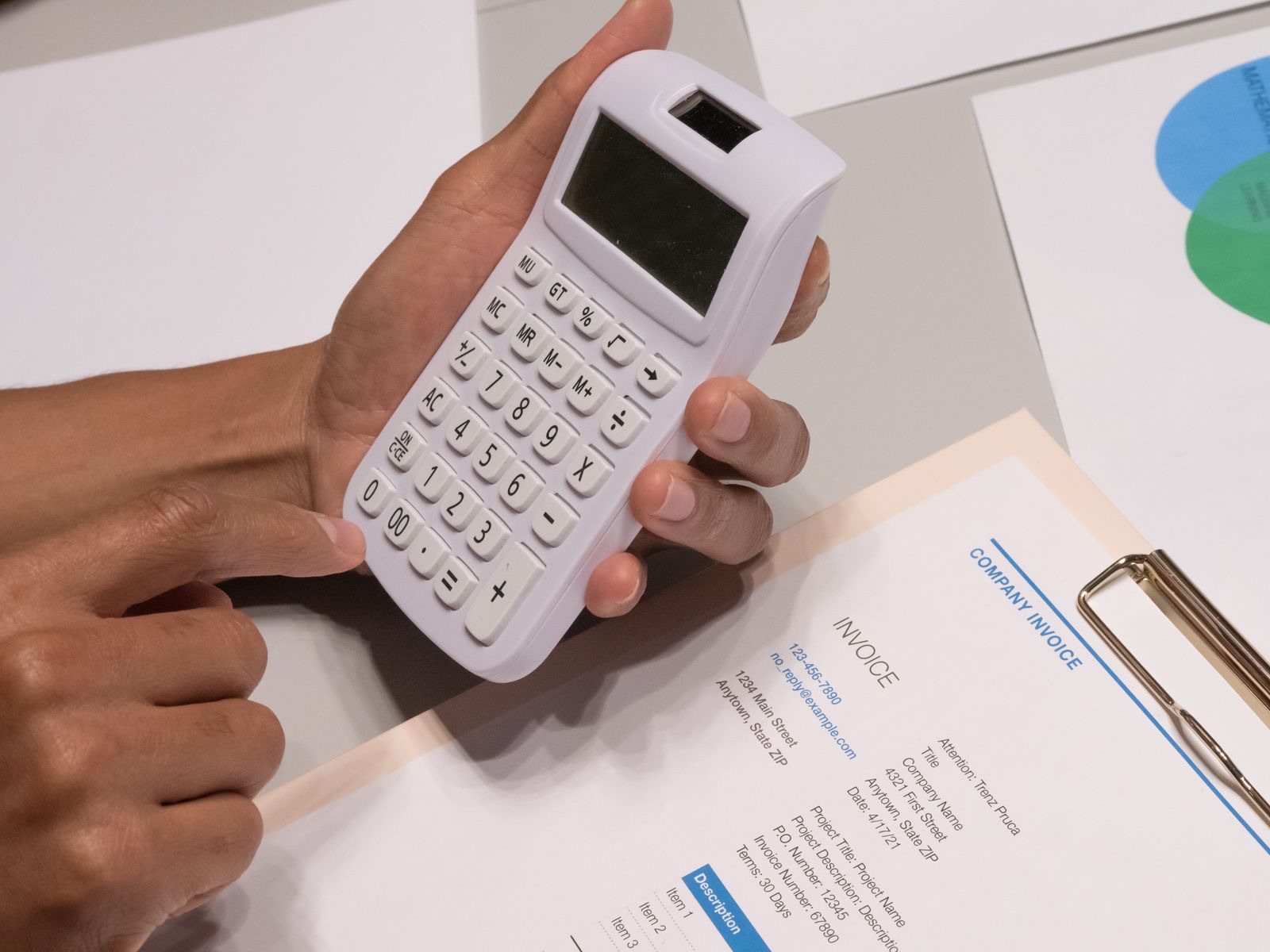
A workable payment plan identifies the debt, the parties, the instalment amounts, and the payment dates. It should explain how payments are credited and what happens if an instalment is missed. Any interest, release, or remaining disputed amount needs clear treatment.
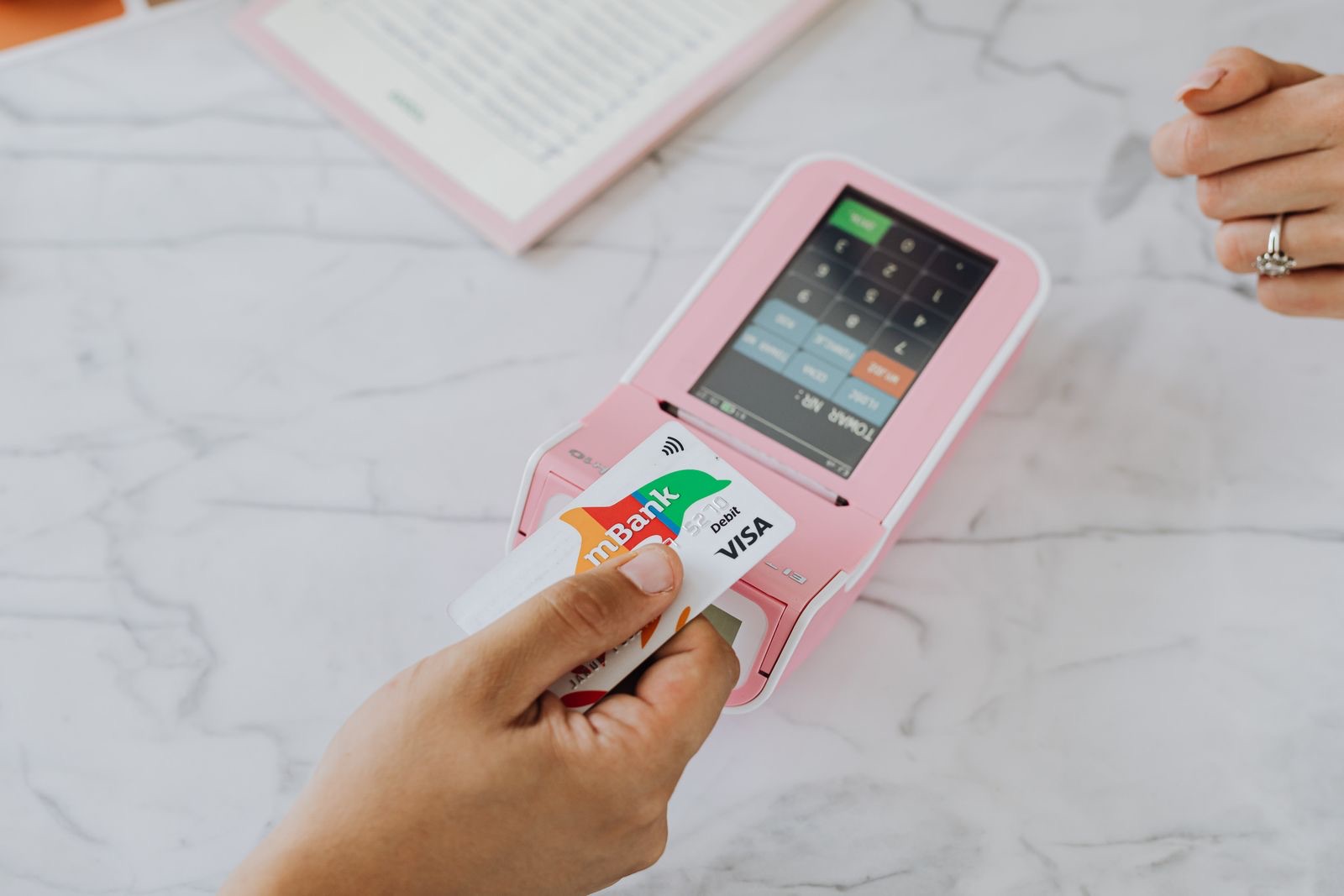
Consider whether proceedings are already underway and what steps will be paused or continued. An informal promise may leave uncertainty about limitation periods or enforcement. Do not withdraw a claim or sign a broad release without understanding the consequences. Ask for terms that match the debtor's realistic ability to pay and keep a ledger of every payment. If the plan is connected to a court settlement, the required documents and enforcement mechanism should be addressed explicitly.
Test the proposed schedule against actual payment dates and available funds. A plan that requires an instalment before the debtor is paid may fail immediately despite good intentions. Specify the payment recipient and reference so each transfer can be matched to the correct debt. If several accounts, defendants, or proceedings are involved, identify what the plan resolves and what remains outstanding. Keep the terms understandable enough that both sides can determine whether a payment is late and what balance remains.
The legal effect of the agreement also deserves attention. Ask whether the original obligation remains enforceable, what happens during any paused proceeding, and when a release or satisfaction will be provided. An acceleration clause or consent judgment can have significant consequences and should not be added casually. Keep signed terms, proof of payments, and any agreed changes together. If circumstances change, address the proposed revision in writing rather than assuming an accepted late payment permanently changes every future deadline or waives all available enforcement options.
Ask NEO to help turn a proposed repayment arrangement into clear settlement terms. Call 647-200-3526 or toll-free 888-519-2435, email info@neolegalservices.com, or book a free consultation.
Sources
Read next: A judgment does not collect itself in Ontario
General Ontario legal information, not legal advice for your matter, and reading it does not create a retainer. Sources checked 15 October 2026: check the current law, forms and dates before you act.
Photos from Pexels: Using a calculator beside an invoice · Paying with a contactless card at a terminal.
This article is general information for people in Ontario, not legal advice. Rules, forms and deadlines change, and every situation is different. Check the current rule or speak to a licensed legal professional before you act.
Not sure where you stand? A licensed paralegal can look at your documents and tell you your options.
Book a Free ConsultationLoading comments…



 PIPEDA-compliant⚖️ By-Law 9 trust accounting checks🛡️ Professional liability insured✅ LSO-licensed paralegal🔐 256-bit AES Encryption📋 Working toward WCAG 2.1 AA🇨🇦 Ontario-based firm🕒 SOC 2-audited hosting providers📄 CASL Compliant💻 Secure Client Portal📊 Transparent Fixed Fees🔍 Verified Google Reviews🤝 Free Initial Consultation🏛️ Law Society of Ontario📜 Professional Corporation🔏 Confidential by professional duty🌐 Province-Wide Service