
A judgment does not collect itself in Ontario

Winning a money judgment is an important step, but payment may still require enforcement. Review the debtor's identity, known income sources, assets, and any insolvency information before choosing a method. The correct approach depends on what can lawfully be reached and what it will cost.
Keep the judgment, an updated balance, payment records, and allowable interest calculations together. Different enforcement steps have their own documents, service requirements, and practical limits. A judgment against a company cannot simply be enforced against a director's personal account. Ask whether the likely recovery justifies further expense and whether voluntary payment terms remain worthwhile. A careful collection plan uses reliable information rather than assumptions about the debtor's apparent lifestyle.
Match the method to reliable information about the debtor. A known employer, identifiable bank debt, or realizable asset may point toward different procedures, each with its own protections and costs. If the information is incomplete, a debtor examination may help clarify the position. Do not pay for repeated steps based on stale addresses or an assumption that a company account belongs to its owner. Check whether the judgment names the same legal person against whom you propose to enforce.
Maintain one current statement showing the judgment amount, payments, properly calculated interest, and recoverable enforcement expenses. Share it with your representative so several collection steps do not produce inconsistent demands. If payment is made, address the documents needed to record satisfaction or end an active enforcement measure. Where the debtor offers a realistic arrangement, compare it with the likely result and expense of continuing. Effective enforcement is a sequence of informed decisions, and the plan should change when new financial information becomes available.
Discuss a judgment enforcement assessment with NEO before spending more on recovery. Call 647-200-3526 or toll-free 888-519-2435, email info@neolegalservices.com, or book a free consultation.
Sources
Read next: Understanding garnishment after an Ontario judgment
General Ontario legal information, not legal advice for your matter, and reading it does not create a retainer. Sources checked 15 October 2026: check the current law, forms and dates before you act.
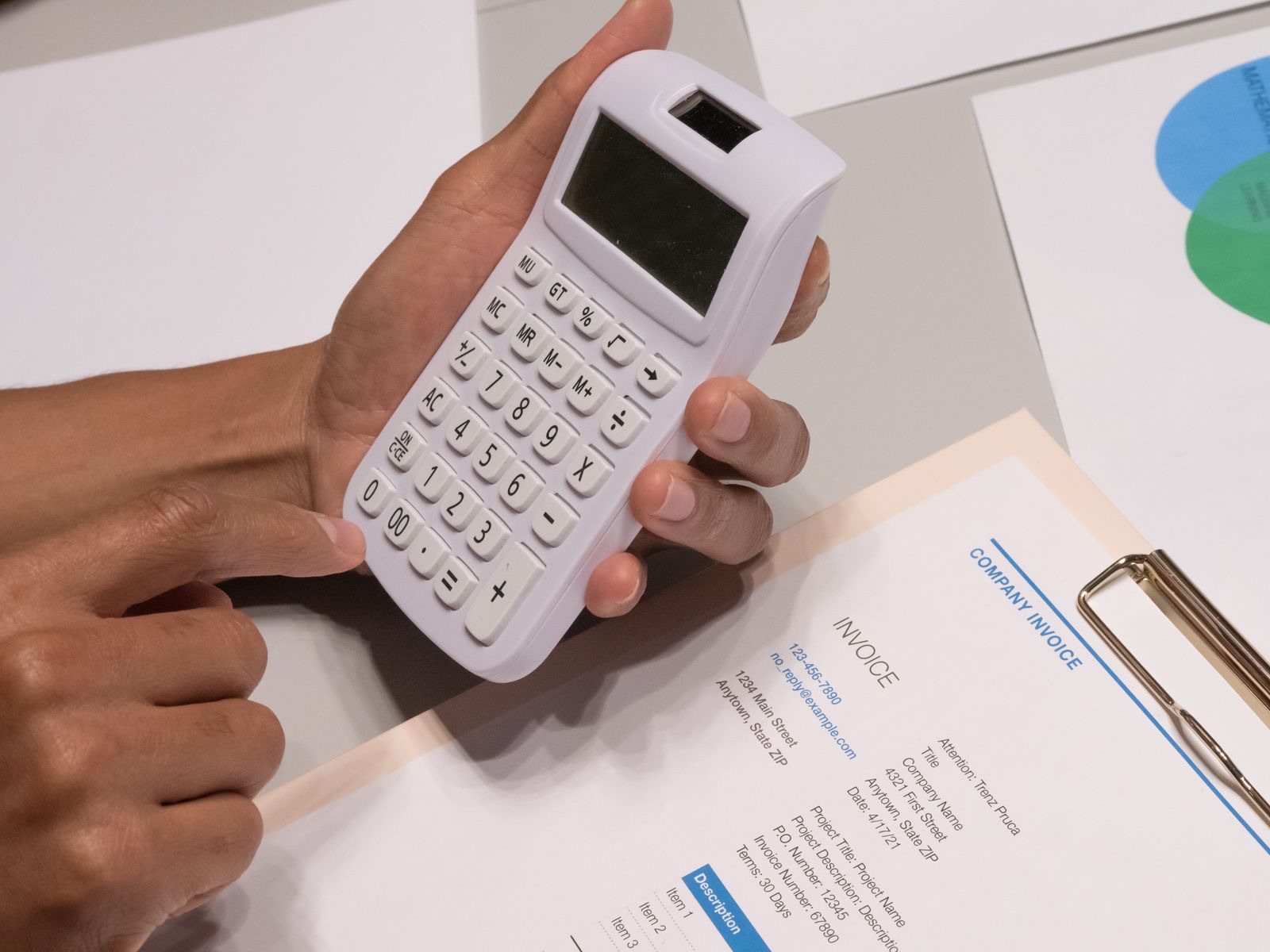
Photos from Pexels: Adding up receipts with a calculator · Using a calculator beside an invoice.
This article is general information for people in Ontario, not legal advice. Rules, forms and deadlines change, and every situation is different. Check the current rule or speak to a licensed legal professional before you act.
Not sure where you stand? A licensed paralegal can look at your documents and tell you your options.
Book a Free ConsultationLoading comments…



 PIPEDA-compliant⚖️ By-Law 9 trust accounting checks🛡️ Professional liability insured✅ LSO-licensed paralegal🔐 256-bit AES Encryption📋 Working toward WCAG 2.1 AA🇨🇦 Ontario-based firm🕒 SOC 2-audited hosting providers📄 CASL Compliant💻 Secure Client Portal📊 Transparent Fixed Fees🔍 Verified Google Reviews🤝 Free Initial Consultation🏛️ Law Society of Ontario📜 Professional Corporation🔏 Confidential by professional duty🌐 Province-Wide Service