
Collecting money from a former Ontario tenant
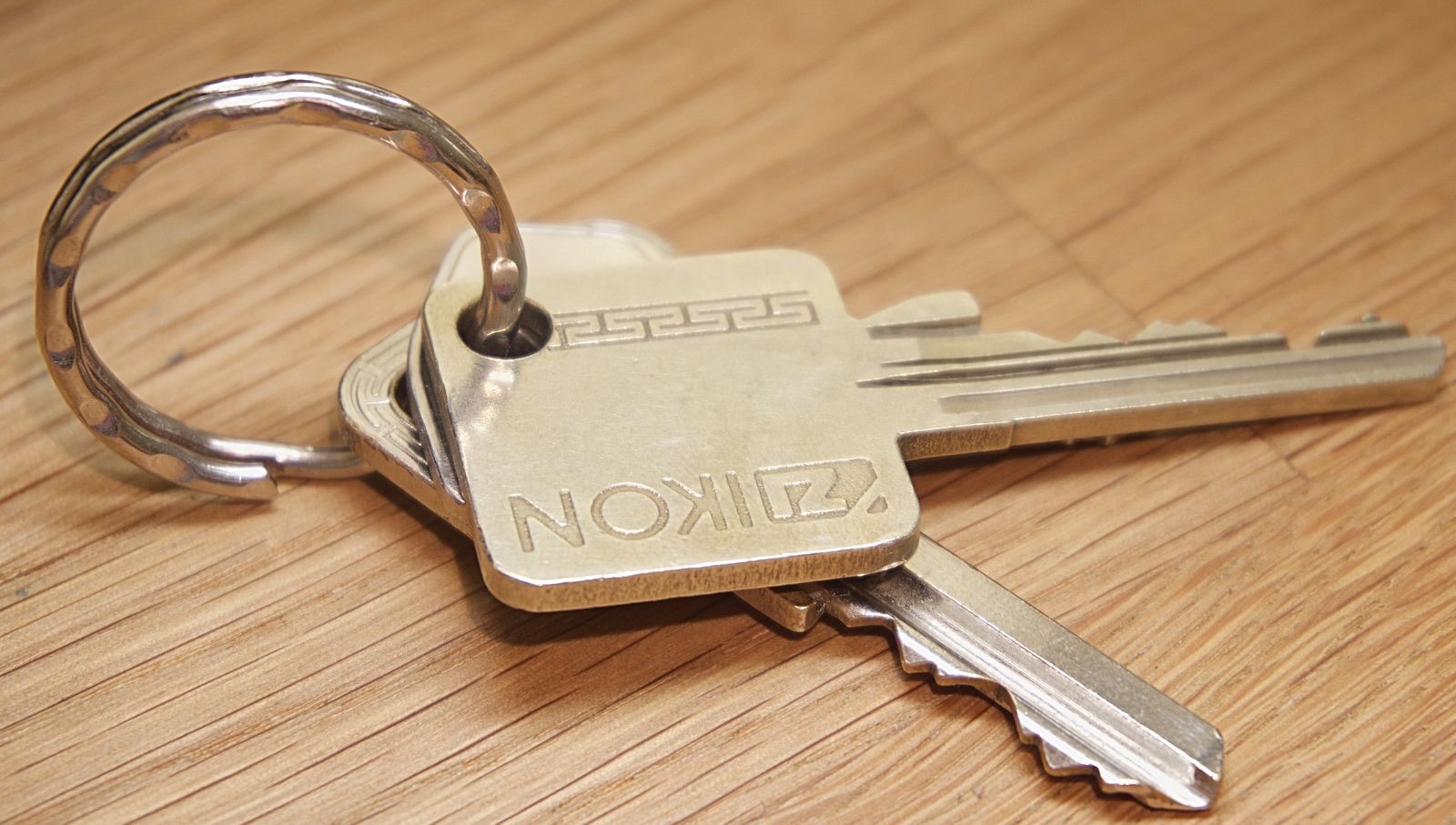
When a tenant has moved out, the correct route for unpaid rent or other qualifying amounts may be an L10 application. The LTB's former-tenant process has specific eligibility and timing requirements, including a general requirement to apply within one year after the tenant stopped possessing the unit.

Confirm the move-out or possession date and identify each amount claimed. Prepare the tenancy agreement, ledger, utility records where relevant, and evidence supporting damage or other recoverable expenses. The landlord must also address service requirements for a former tenant. Do not assume every loss belongs in the same application or that Small Claims Court can hear a matter assigned to the LTB. Review the legal basis before choosing the forum.
Record the date the former tenant actually ceased possession and the evidence establishing it. Keep the lease, termination communications, key-return information, inspection records, and payment ledger. Separate rent, utilities, damage, and other amounts because the available legal basis may differ for each. If the tenant disputes the move-out date, show the underlying facts instead of selecting a date only because it makes a filing appear timely. Service information also matters once the former tenant no longer lives at the rental address.
Before filing, reconcile the account and review whether another order or proceeding already addresses any part of the claim. Do not seek the same recovery twice in different forums. A damage claim needs evidence of cause and amount, while an unpaid utility claim needs the agreement and bill history supporting responsibility. Consider lawful collection prospects and the likely cost of pursuing the application. The correct forum and deadline should be assessed from the actual tenancy history rather than an assumption that every dispute becomes a Small Claims Court matter after the tenant leaves.
Ask NEO to assess former-tenant recovery options before the filing deadline approaches. Call 647-200-3526 or toll-free 888-519-2435, email info@neolegalservices.com, or book a free consultation.
Sources
Read next: Planning lawful access for rental inspections and repairs
General Ontario legal information, not legal advice for your matter, and reading it does not create a retainer. Sources checked 15 October 2026: check the current law, forms and dates before you act.
Photos from Pexels: House keys on a wooden table · A city apartment building with balconies.
This article is general information for people in Ontario, not legal advice. Rules, forms and deadlines change, and every situation is different. Check the current rule or speak to a licensed legal professional before you act.
Not sure where you stand? A licensed paralegal can look at your documents and tell you your options.
Book a Free ConsultationLoading comments…



 PIPEDA-compliant⚖️ By-Law 9 trust accounting checks🛡️ Professional liability insured✅ LSO-licensed paralegal🔐 256-bit AES Encryption📋 Working toward WCAG 2.1 AA🇨🇦 Ontario-based firm🕒 SOC 2-audited hosting providers📄 CASL Compliant💻 Secure Client Portal📊 Transparent Fixed Fees🔍 Verified Google Reviews🤝 Free Initial Consultation🏛️ Law Society of Ontario📜 Professional Corporation🔏 Confidential by professional duty🌐 Province-Wide Service