
Planning lawful access for rental inspections and repairs
A planned inspection or repair visit should begin with the correct legal reason and notice. Where written entry notice is required, make it specific enough to identify the purpose, date, and permitted time. Emergency access and consent involve different rules.

Keep a copy of the notice and a record of delivery. Coordinate contractors realistically so repeated unnecessary visits do not become a dispute about interference. If access is refused, document what happened and seek advice on the proper response. A disagreement does not justify forcing entry outside the legal process. Photographs and inspection notes should be relevant to the purpose of the visit. Respectful scheduling and accurate records can help both parties address conditions before they become an LTB claim.
Coordinate the proposed access with the reason stated in the notice. If a plumber needs to inspect a leak, explain the intended work and arrange a realistic visit window under the applicable rules. Keep records when a contractor cancels or the purpose changes. Repeated notices for work that never occurs can contribute to a wider dispute. If the tenant raises a genuine medical, accessibility, or scheduling concern, document the request and consider what lawful arrangement can address it.
After the visit, record who attended, the time, relevant findings, and any follow-up work required. Keep photographs focused on the condition or repair issue rather than unrelated personal belongings. If access is refused, preserve the notice and the actual exchange, then assess the appropriate legal response. Do not treat a difficult interaction as permission for unrestricted entry. Consistent notices and factual records help establish whether the landlord met the access requirements and whether a later application concerning obstruction, maintenance, or tenant rights is supported by evidence.
Speak with NEO about access disputes and the notice requirements for your proposed visit. Call 647-200-3526 or toll-free 888-519-2435, email info@neolegalservices.com, or book a free consultation.
Sources
Read next: Extra lease terms that can create Ontario disputes
General Ontario legal information, not legal advice for your matter, and reading it does not create a retainer. Sources checked 15 October 2026: check the current law, forms and dates before you act.
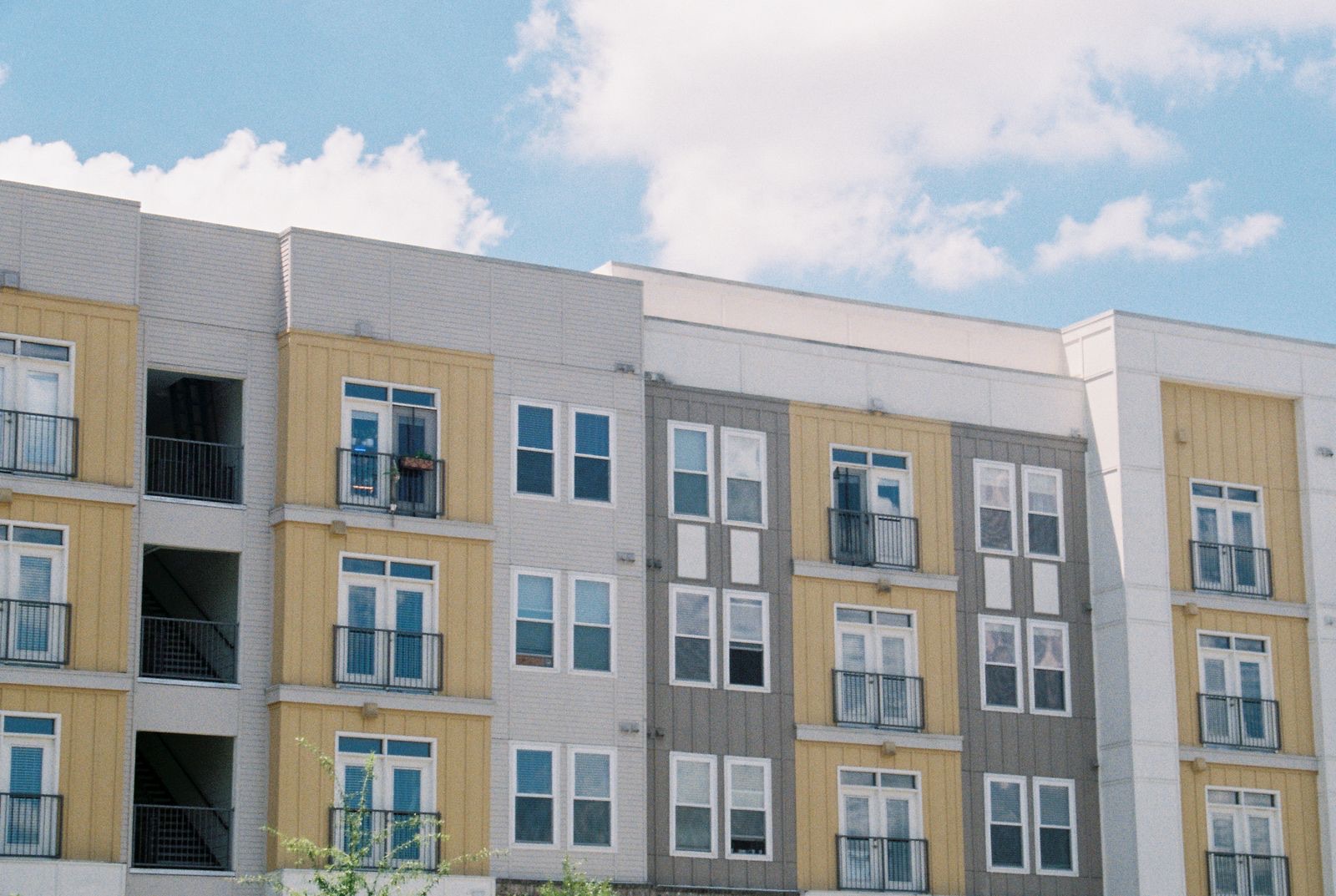
Photos from Pexels: A modern apartment building under a blue sky · A city apartment building with balconies.
This article is general information for people in Ontario, not legal advice. Rules, forms and deadlines change, and every situation is different. Check the current rule or speak to a licensed legal professional before you act.
Not sure where you stand? A licensed paralegal can look at your documents and tell you your options.
Book a Free ConsultationLoading comments…



 PIPEDA-compliant⚖️ By-Law 9 trust accounting checks🛡️ Professional liability insured✅ LSO-licensed paralegal🔐 256-bit AES Encryption📋 Working toward WCAG 2.1 AA🇨🇦 Ontario-based firm🕒 SOC 2-audited hosting providers📄 CASL Compliant💻 Secure Client Portal📊 Transparent Fixed Fees🔍 Verified Google Reviews🤝 Free Initial Consultation🏛️ Law Society of Ontario📜 Professional Corporation🔏 Confidential by professional duty🌐 Province-Wide Service