
Winter in a Rental: Snow, Frozen Pipes and Heat
Ontario winters test every rental. Here is who is usually responsible for snow, heat and frozen pipes, and how to avoid a costly dispute.
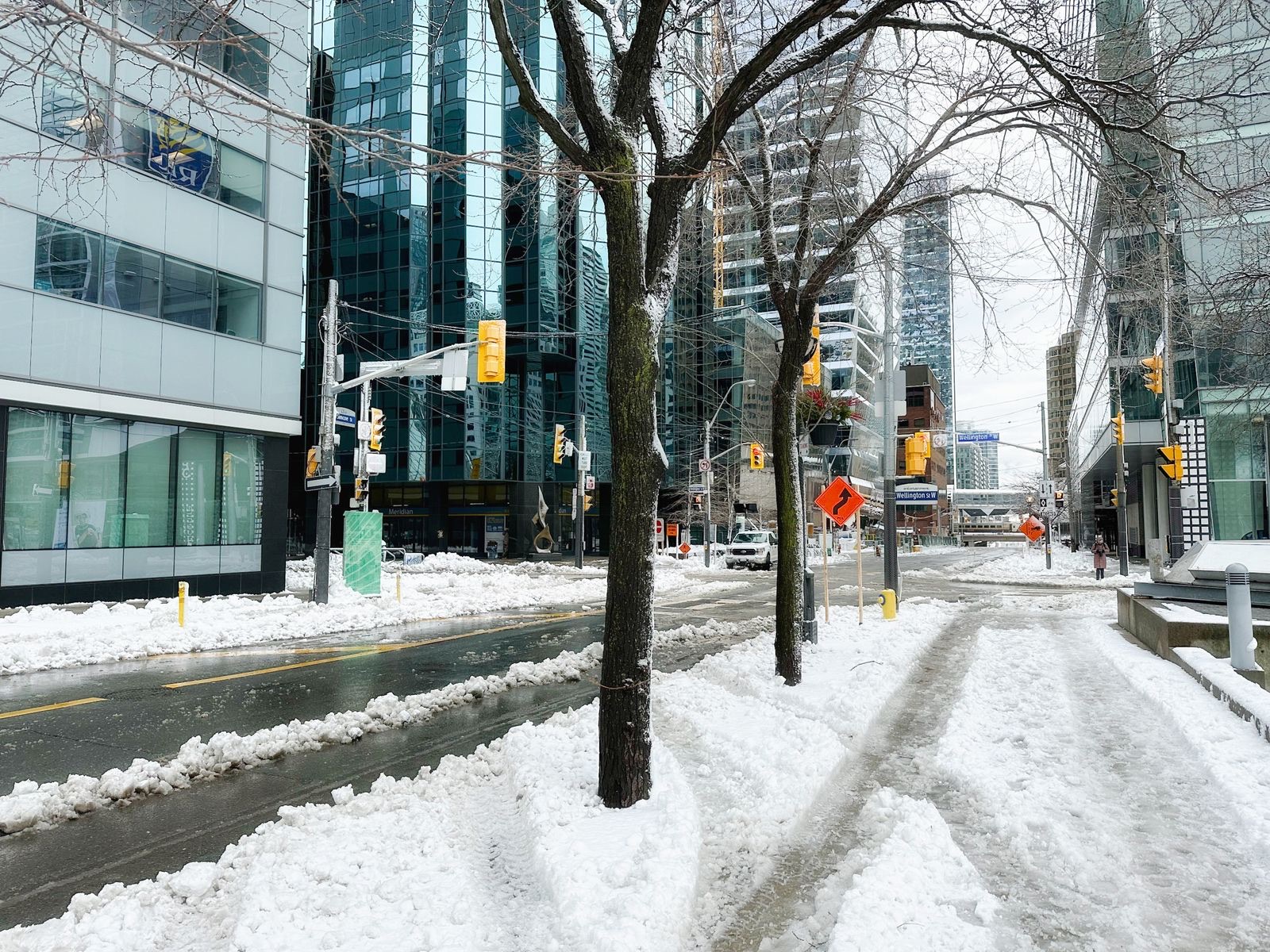
Winter problems in rentals usually come down to two things: what the lease says, and the landlord's duty to keep the unit in good repair.
The landlord is responsible for heat and for repairs like frozen or burst pipes. Snow clearing depends on the type of rental and what the lease says, so read it before the first storm.
Heat
- Landlords must keep heating systems working, and many municipalities set a minimum temperature during the heating season.
- If the heat fails, tell the landlord in writing immediately, and call your municipality if it isn't fixed.
Frozen and burst pipes
- Repairs are the landlord's responsibility.
- Tenants should take reasonable care: keep the heat on, report drips and cold spots, and tell the landlord before leaving for a long trip.
- If a tenant's carelessness caused the damage, the landlord may seek the cost.
Snow and ice
- Apartment buildings: the landlord normally clears common walkways and parking areas.
- Houses: a lease may make the tenant responsible for clearing the driveway and walkway. Without that term, the landlord generally remains responsible.
- Whoever is responsible should clear promptly: slips on ice can lead to injury claims.
Before winter
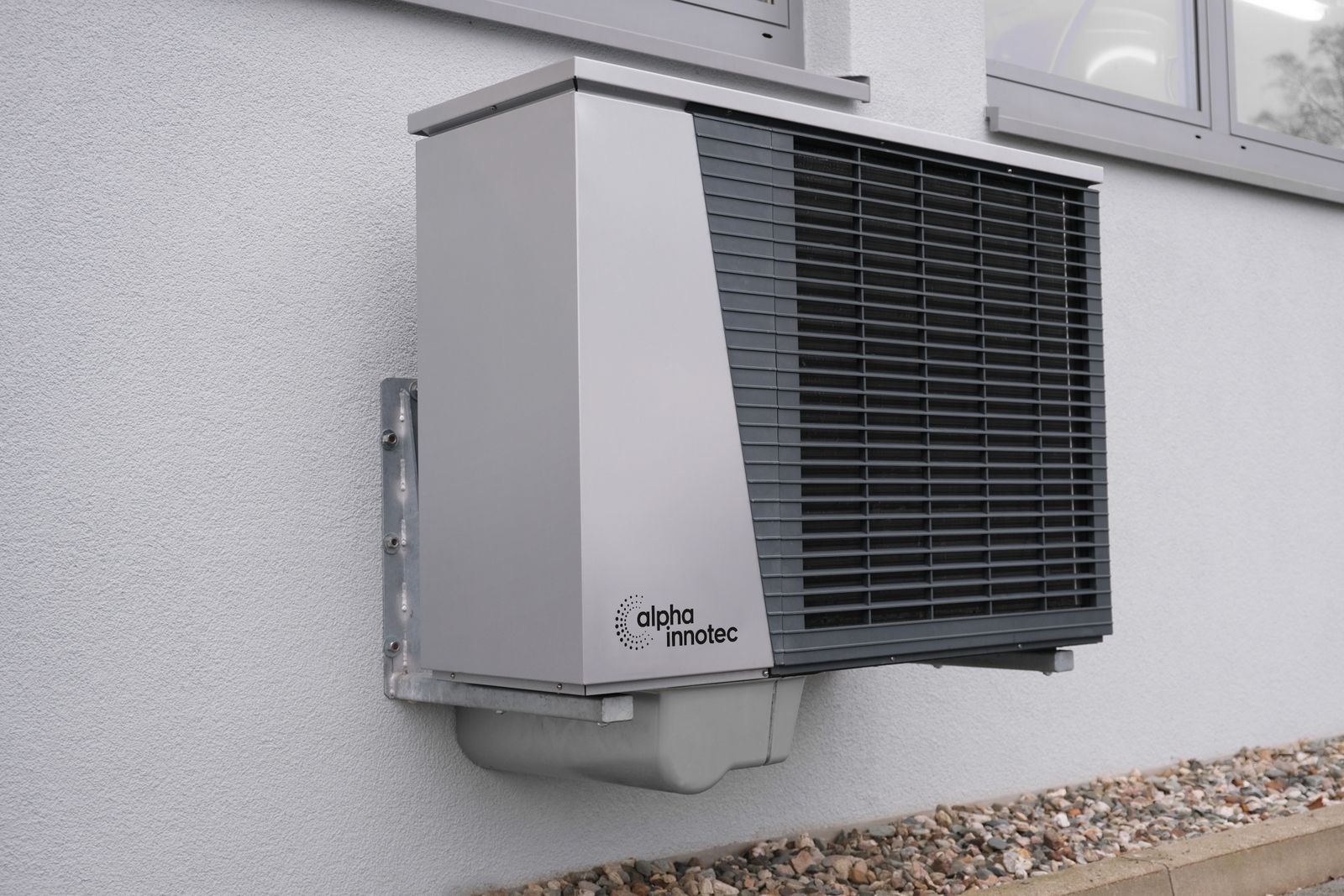
Agree in writing who clears snow, test the heating early, and make sure everyone has an emergency contact.
Need help with a tenancy problem? NEO helps tenants and landlords with notices, applications and hearings at the Landlord and Tenant Board. Call 647-200-3526 or toll-free 888-519-2435, email info@neolegalservices.com, or book a free consultation.
Sources
Read next: Basement Apartments and Second Units: Are You Still Protected?
General Ontario legal information, not legal advice for your matter, and reading it does not create a retainer. Sources checked 15 October 2026: check the current law, forms and dates before you act.
Photos from Pexels: Downtown Toronto on a snowy day · An air conditioner on an apartment wall.
This article is general information for people in Ontario, not legal advice. Rules, forms and deadlines change, and every situation is different. Check the current rule or speak to a licensed legal professional before you act.
Not sure where you stand? A licensed paralegal can look at your documents and tell you your options.
Book a Free ConsultationLoading comments…



 PIPEDA-compliant⚖️ By-Law 9 trust accounting checks🛡️ Professional liability insured✅ LSO-licensed paralegal🔐 256-bit AES Encryption📋 Working toward WCAG 2.1 AA🇨🇦 Ontario-based firm🕒 SOC 2-audited hosting providers📄 CASL Compliant💻 Secure Client Portal📊 Transparent Fixed Fees🔍 Verified Google Reviews🤝 Free Initial Consultation🏛️ Law Society of Ontario📜 Professional Corporation🔏 Confidential by professional duty🌐 Province-Wide Service