
What happens at a judgment debtor examination

A judgment debtor examination is a formal process for obtaining relevant information about a debtor's finances and ability to pay. It can help a creditor assess enforcement options when voluntary payment has failed. The court's notice, service, and document requirements must be followed.
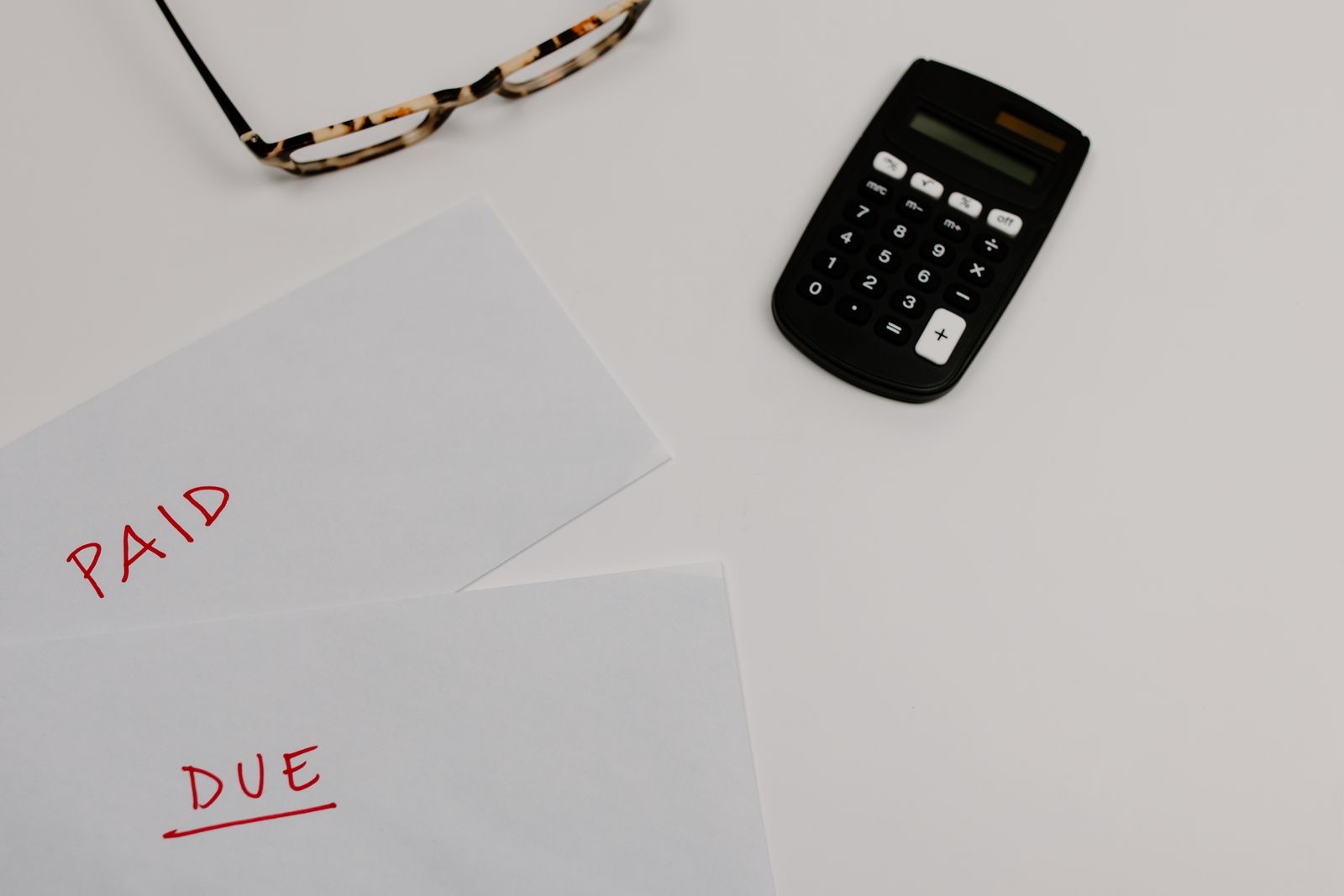
Prepare focused questions about income, accounts, property, existing obligations, and payment proposals where permitted. Keep the judgment balance current and identify information you actually need. A debtor who is required to attend should review the notice carefully, assemble requested records, and answer truthfully. Guessing, withholding documents, or ignoring an examination can create further problems. The examination's practical value lies in reliable information that helps the parties and court address payment within the available legal process.
Preparation should connect each proposed question to a genuine enforcement issue. Information about employment, business income, bank accounts, property, and existing obligations may help identify a suitable next step, subject to the process and its limits. Avoid using the examination to embarrass the debtor or revisit unrelated personal disputes. Organize the documents you want explained, including any unexplained payments or changes in financial information. A focused examination is easier to conduct and more useful than a broad list of speculative accusations.
Someone required to attend should bring the records specified in the notice and seek advice promptly if compliance is difficult. If you do not know an answer, explain the limit of your knowledge rather than guessing. Keep copies of what you provide and any order or payment arrangement that follows. After the examination, review the information against the cost of available enforcement. Financial disclosure may support a payment plan or show that a proposed collection step is unlikely to recover enough to justify its expense.
Speak with NEO about preparing for or requesting a debtor examination. Call 647-200-3526 or toll-free 888-519-2435, email info@neolegalservices.com, or book a free consultation.
Sources
Read next: Checking whether a debtor can realistically pay
General Ontario legal information, not legal advice for your matter, and reading it does not create a retainer. Sources checked 15 October 2026: check the current law, forms and dates before you act.
Photos from Pexels: Adding up receipts with a calculator · Papers marked paid and due beside a calculator.
This article is general information for people in Ontario, not legal advice. Rules, forms and deadlines change, and every situation is different. Check the current rule or speak to a licensed legal professional before you act.
Not sure where you stand? A licensed paralegal can look at your documents and tell you your options.
Book a Free ConsultationLoading comments…



 PIPEDA-compliant⚖️ By-Law 9 trust accounting checks🛡️ Professional liability insured✅ LSO-licensed paralegal🔐 256-bit AES Encryption📋 Working toward WCAG 2.1 AA🇨🇦 Ontario-based firm🕒 SOC 2-audited hosting providers📄 CASL Compliant💻 Secure Client Portal📊 Transparent Fixed Fees🔍 Verified Google Reviews🤝 Free Initial Consultation🏛️ Law Society of Ontario📜 Professional Corporation🔏 Confidential by professional duty🌐 Province-Wide Service