
Roommates and the limits of LTB jurisdiction
Not every disagreement involving rented accommodation belongs at the LTB. The legal relationship can change where someone shares a kitchen or bathroom with the owner or a qualifying family member, or occupies under an arrangement with another tenant. The facts matter more than the label roommate.

Collect the agreement, payment history, ownership information, and details about who lives in the property. Identify who granted occupancy and which facilities are shared. A dispute outside the Residential Tenancies Act may still involve contractual rights or a civil claim, but the remedies and procedure differ. Do not assume an N4, a standard lease, or an LTB application is available simply because monthly payments were called rent. Confirm jurisdiction before taking enforcement steps.
Describe the living arrangement as it actually operates. Who owns the property, who signed with you, who receives payment, and who shares the kitchen or bathroom? Did the owner live there when the arrangement began, and have the occupants changed? Keep advertisements and messages explaining the arrangement as well as any signed document. Calling an agreement a lease, licence, sublet, or roommate contract does not eliminate the need to examine the facts and applicable statutory provisions.
The answer affects more than which form to use. Notice requirements, possession remedies, recovery of unpaid money, and access to the LTB may differ according to the legal relationship. If you are leaving or trying to recover a deposit, record the amount paid, agreed terms, notice given, and handover arrangements. Do not use a self-help eviction or assume the other occupant has no rights because their name is absent from one document. A jurisdiction assessment should come before steps that could worsen a housing dispute or create an additional civil claim.
Ask NEO to assess the occupancy arrangement and the appropriate dispute process. Call 647-200-3526 or toll-free 888-519-2435, email info@neolegalservices.com, or book a free consultation.
Sources
- Residential Tenancies Act 2006 current consolidated legislation
- Ontario guide to making a Small Claims Court claim
Read next: Ending a residential tenancy without avoidable disputes
General Ontario legal information, not legal advice for your matter, and reading it does not create a retainer. Sources checked 15 October 2026: check the current law, forms and dates before you act.
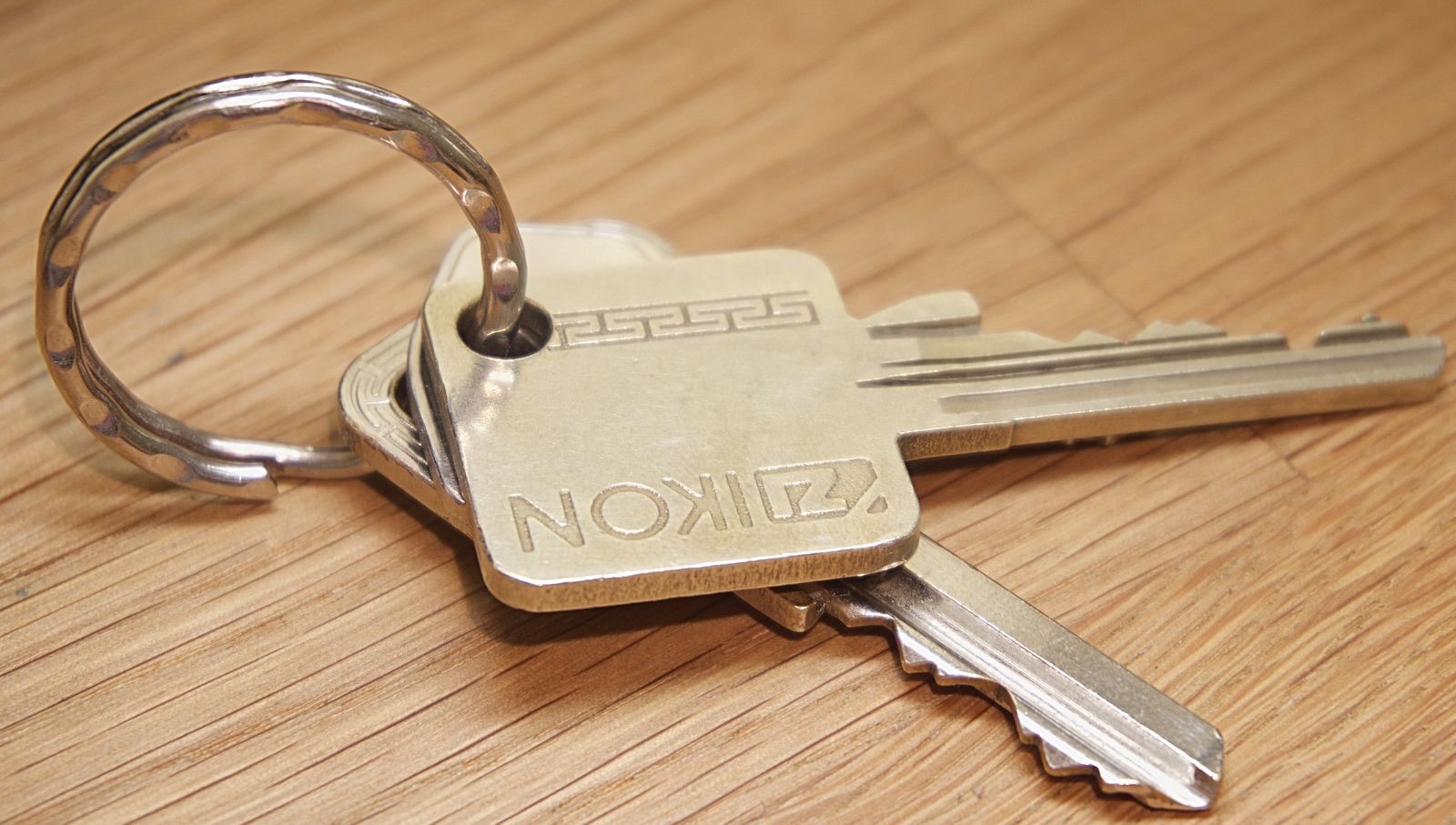
Photos from Pexels: House keys on a wooden table · A small model house with a key.
This article is general information for people in Ontario, not legal advice. Rules, forms and deadlines change, and every situation is different. Check the current rule or speak to a licensed legal professional before you act.
Not sure where you stand? A licensed paralegal can look at your documents and tell you your options.
Book a Free ConsultationLoading comments…



 PIPEDA-compliant⚖️ By-Law 9 trust accounting checks🛡️ Professional liability insured✅ LSO-licensed paralegal🔐 256-bit AES Encryption📋 Working toward WCAG 2.1 AA🇨🇦 Ontario-based firm🕒 SOC 2-audited hosting providers📄 CASL Compliant💻 Secure Client Portal📊 Transparent Fixed Fees🔍 Verified Google Reviews🤝 Free Initial Consultation🏛️ Law Society of Ontario📜 Professional Corporation🔏 Confidential by professional duty🌐 Province-Wide Service