
Property damage allegations in a residential tenancy
Damage claims need evidence showing what happened, when it happened, and why the tenant or another responsible person should pay. Ordinary wear and tear must be distinguished from legally recoverable damage. Photos taken at move-in and after the incident can help establish the change in condition.
Keep inspection records, repair estimates, invoices, and communications about access or repair proposals. Identify the age and condition of the damaged item rather than assuming replacement with a new item is always recoverable in full. An N5 or another application may have specific notice and opportunity-to-correct requirements. Do not treat an allegation of damage as permission to keep a prohibited deposit or remove belongings. Choose the remedy after reviewing the facts and current forms.
Compare the claimed damage with the starting condition and ordinary use of the property. A dated move-in record can help show whether a crack, stain, or worn surface was already present. Keep photographs before repair, relevant inspection notes, and communications identifying who may have caused the damage. If the cause is disputed, an invoice for replacement may prove expenditure without proving responsibility. Record the factual basis for linking the condition to the tenant, occupant, or guest alleged to have caused it.
The amount claimed should also be supportable. Consider the item's age, earlier condition, repair options, and whether a replacement includes an upgrade. Keep estimates and final invoices distinct, and credit any insurance payment or other recovery where legally relevant. Before serving a notice, check its ground, required detail, and any opportunity to correct the issue. An accurate claim focuses on the actual damage and appropriate remedy rather than using the costliest replacement figure or treating the dispute as authority to impose a prohibited deposit.
Ask NEO to assess the damage evidence and the appropriate tenancy process. Call 647-200-3526 or toll-free 888-519-2435, email info@neolegalservices.com, or book a free consultation.
Sources
Read next: Raising tenant issues at a rent arrears hearing
General Ontario legal information, not legal advice for your matter, and reading it does not create a retainer. Sources checked 15 October 2026: check the current law, forms and dates before you act.
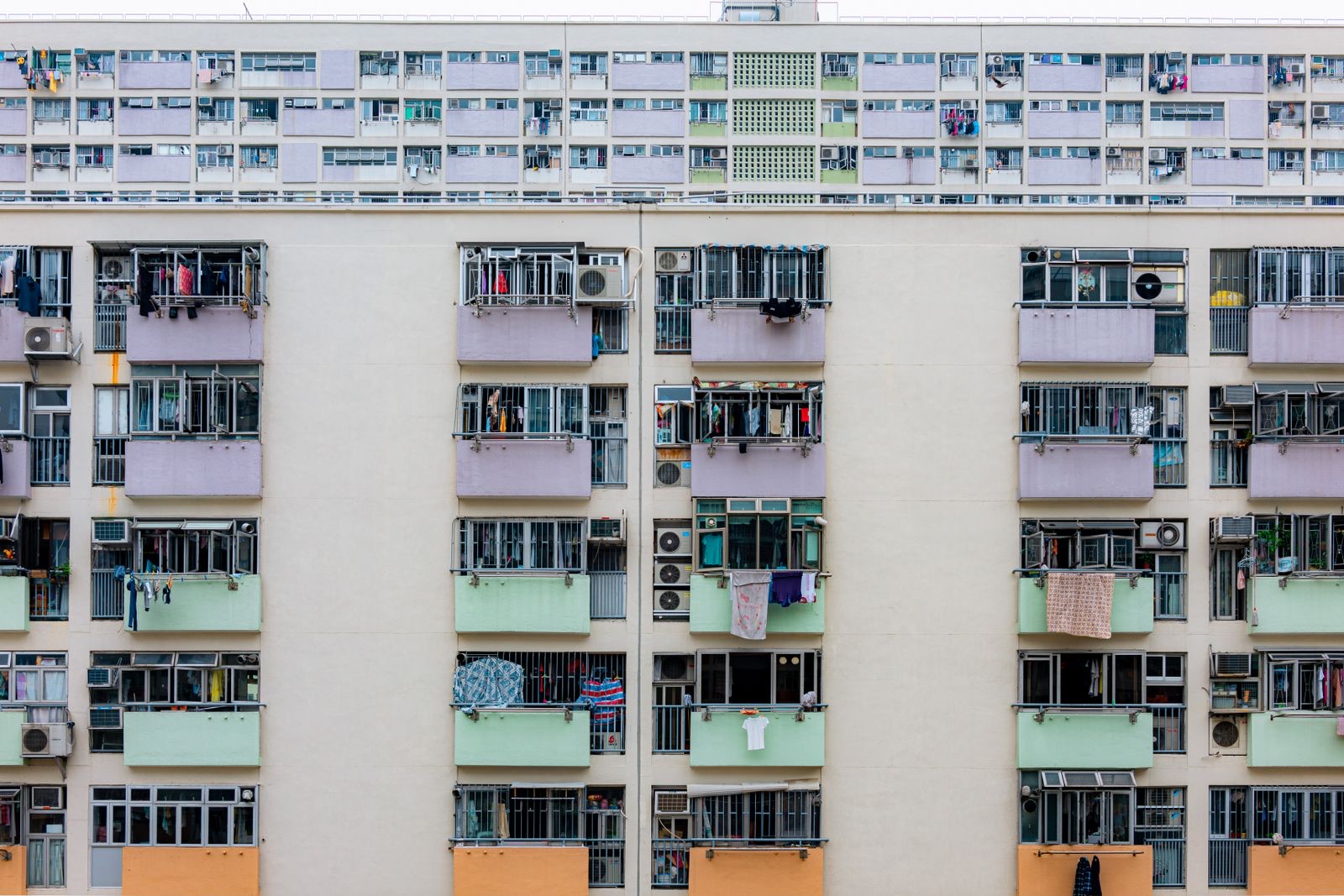
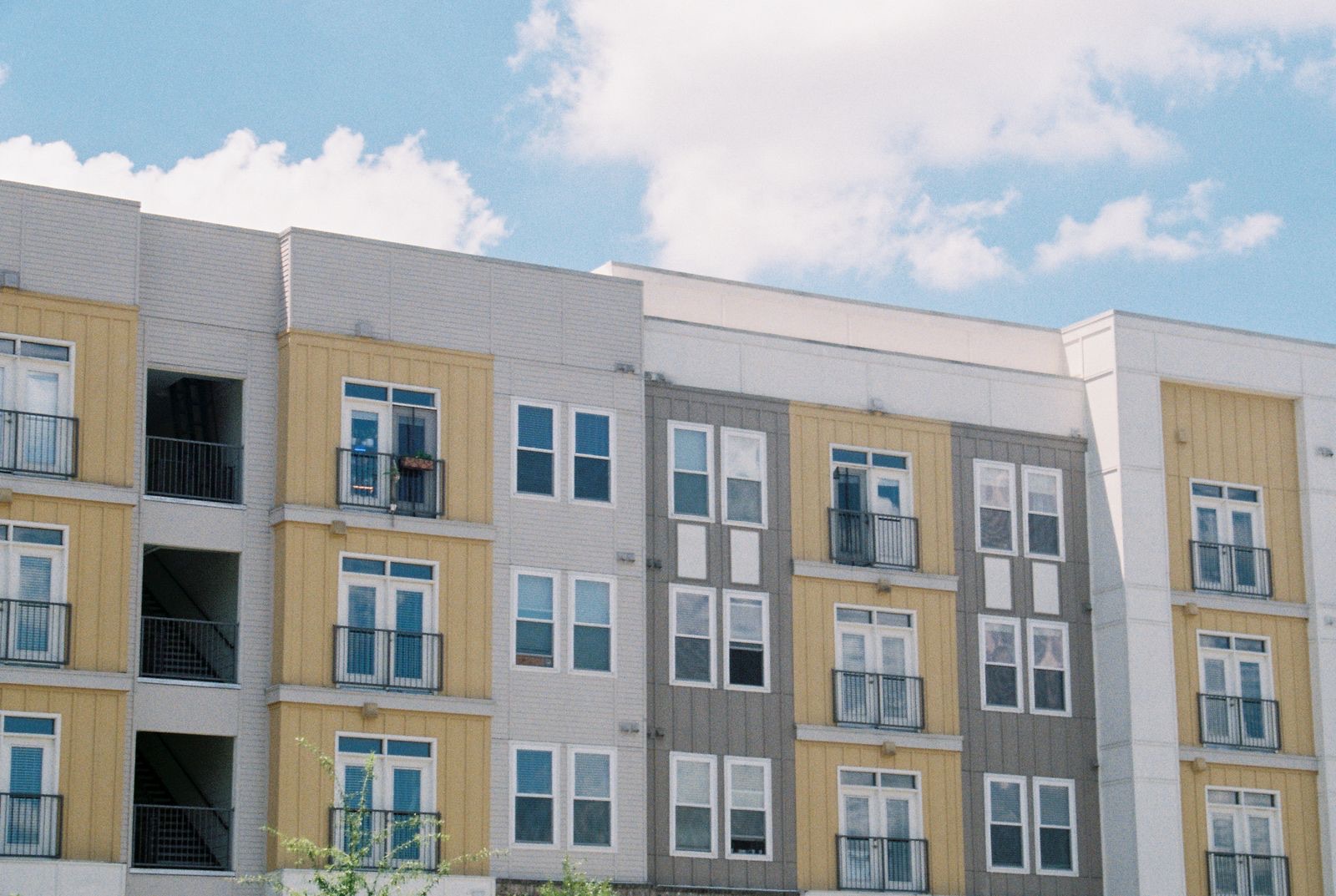
Photos from Pexels: A city apartment building with balconies · A modern apartment building under a blue sky.
This article is general information for people in Ontario, not legal advice. Rules, forms and deadlines change, and every situation is different. Check the current rule or speak to a licensed legal professional before you act.
Not sure where you stand? A licensed paralegal can look at your documents and tell you your options.
Book a Free ConsultationLoading comments…



 PIPEDA-compliant⚖️ By-Law 9 trust accounting checks🛡️ Professional liability insured✅ LSO-licensed paralegal🔐 256-bit AES Encryption📋 Working toward WCAG 2.1 AA🇨🇦 Ontario-based firm🕒 SOC 2-audited hosting providers📄 CASL Compliant💻 Secure Client Portal📊 Transparent Fixed Fees🔍 Verified Google Reviews🤝 Free Initial Consultation🏛️ Law Society of Ontario📜 Professional Corporation🔏 Confidential by professional duty🌐 Province-Wide Service