
Preparing an Ontario residential rent increase notice
A lawful rent increase requires more than selecting a percentage. Confirm whether the guideline applies, the current lawful rent, the date the increase may take effect, and the appropriate notice. Most covered increases require at least 90 days' written notice and at least 12 months since the relevant previous rent change or start of the tenancy.

Use the guideline for the year of the effective increase where applicable. Check any exemption or above-guideline order rather than assuming market rent can be substituted during an existing tenancy. Keep proof of service and the calculation. A notice served too late may require a different effective date. Review the unit's history and the tenant's existing rights before building the increase into your budget.
Prepare the calculation from the lawful rent and verify the date of the previous increase. Keep the earlier notice, lease, payment record, and any relevant order. If the unit is said to be exempt from the guideline, retain the factual basis for that position rather than relying on a statement that the building is new. Select the current form appropriate to the tenancy and proposed increase, and check the effective date after allowing for the permitted service method.
Consider how the increase will appear in the payment ledger and any automatic payment arrangement. Give clear information about the new amount without asking the tenant to sign away rights as a condition of remaining. If a calculation or service error is discovered, obtain advice about correcting it before collecting the proposed amount. A rent increase dispute may involve both the underlying rent and the notice process. Reviewing those questions together helps prevent an invalid figure from being carried into later arrears notices or a financial plan for the property.
Have NEO assess the notice, timing, and legal basis before the proposed increase. Call 647-200-3526 or toll-free 888-519-2435, email info@neolegalservices.com, or book a free consultation.
Sources
Read next: Proving service in an Ontario LTB matter
General Ontario legal information, not legal advice for your matter, and reading it does not create a retainer. Sources checked 15 October 2026: check the current law, forms and dates before you act.
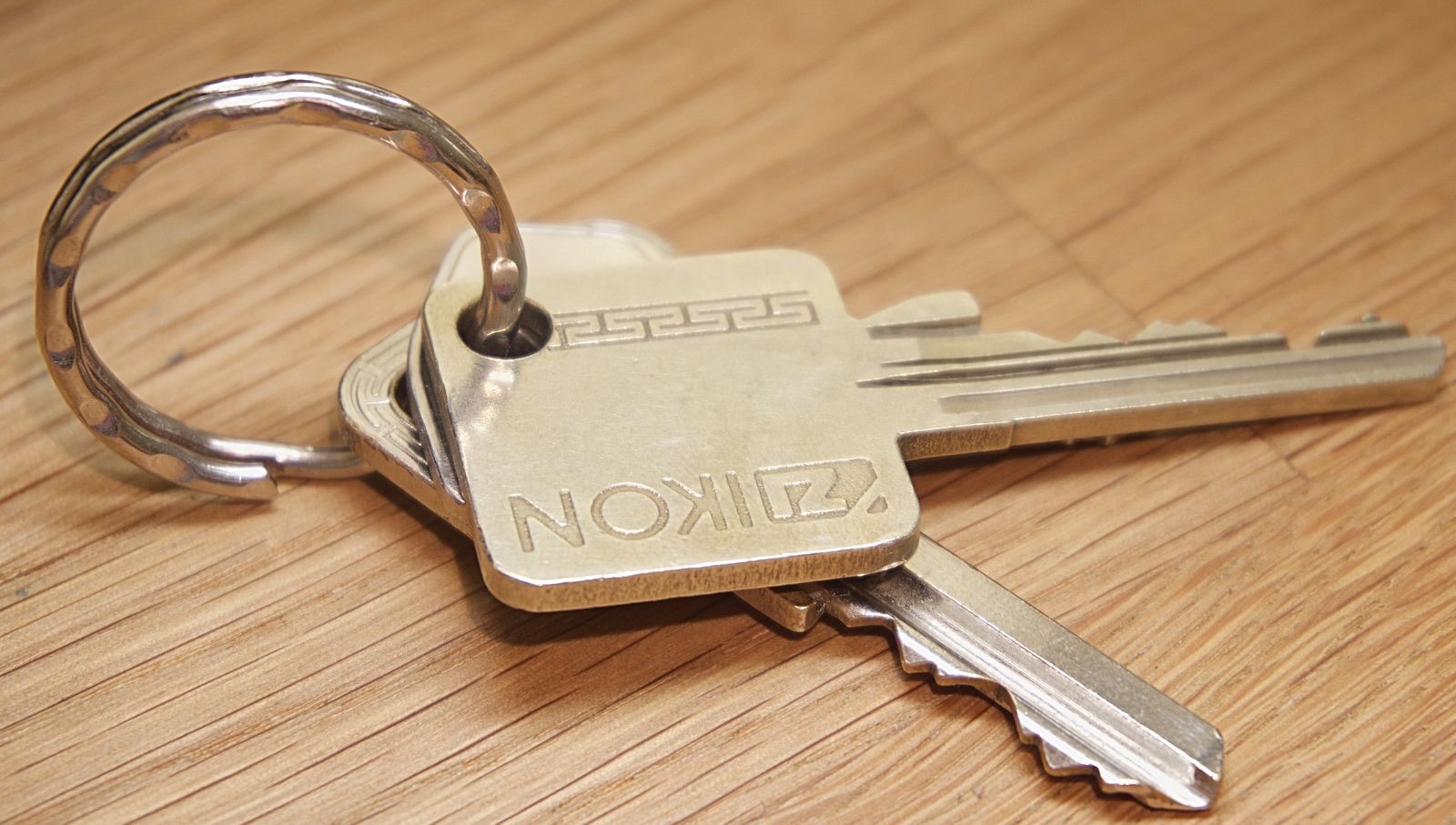
Photos from Pexels: House keys on a wooden table · A small model house with a key.
This article is general information for people in Ontario, not legal advice. Rules, forms and deadlines change, and every situation is different. Check the current rule or speak to a licensed legal professional before you act.
Not sure where you stand? A licensed paralegal can look at your documents and tell you your options.
Book a Free ConsultationLoading comments…



 PIPEDA-compliant⚖️ By-Law 9 trust accounting checks🛡️ Professional liability insured✅ LSO-licensed paralegal🔐 256-bit AES Encryption📋 Working toward WCAG 2.1 AA🇨🇦 Ontario-based firm🕒 SOC 2-audited hosting providers📄 CASL Compliant💻 Secure Client Portal📊 Transparent Fixed Fees🔍 Verified Google Reviews🤝 Free Initial Consultation🏛️ Law Society of Ontario📜 Professional Corporation🔏 Confidential by professional duty🌐 Province-Wide Service