
No Heat, No Hot Water, Broken Elevator: Getting Vital Services Fixed
When the heat goes off in January or the elevator is out for weeks, tenants need action fast. Here is how Ontario law protects you and what to do first.
The Residential Tenancies Act treats heat, hot and cold water, electricity and fuel as vital services. A landlord must not withhold them, or deliberately interfere with them. Elevators, laundry rooms and other building systems are part of the landlord's duty to keep the building in good repair.
Report the problem in writing at once, call your municipality's property standards office for urgent heat or safety issues, and keep a record of every day it isn't fixed.
Step by step
- Tell the landlord in writing. Email, text or a letter: say what is wrong, since when, and ask when it will be fixed.
- Call the city. Municipal property standards and heating bylaws are enforced by your city or town. In Toronto, for example, landlords must keep units at a minimum temperature during the heating season.
- Keep a log. Dates, temperatures (a photo of a thermometer works), photos and every message.
- Think about the Board. If repairs drag on, you can apply to the Landlord and Tenant Board about maintenance (form T6) and ask for a rent abatement or an order to repair.
What not to do
- Don't stop paying rent on your own: you could face an eviction application.
- Don't use unsafe heaters or extension cords that could start a fire.
Accessibility matters

If a broken elevator traps someone with a disability, tell the landlord and the city that it is urgent. A landlord also has a duty to accommodate tenants with disabilities.
Need help with a tenancy problem? NEO helps tenants and landlords with notices, applications and hearings at the Landlord and Tenant Board. Call 647-200-3526 or toll-free 888-519-2435, email info@neolegalservices.com, or book a free consultation.
Sources
Read next: Cash for Keys: Should You Accept Your Landlord's Buyout Offer?
General Ontario legal information, not legal advice for your matter, and reading it does not create a retainer. Sources checked 15 October 2026: check the current law, forms and dates before you act.
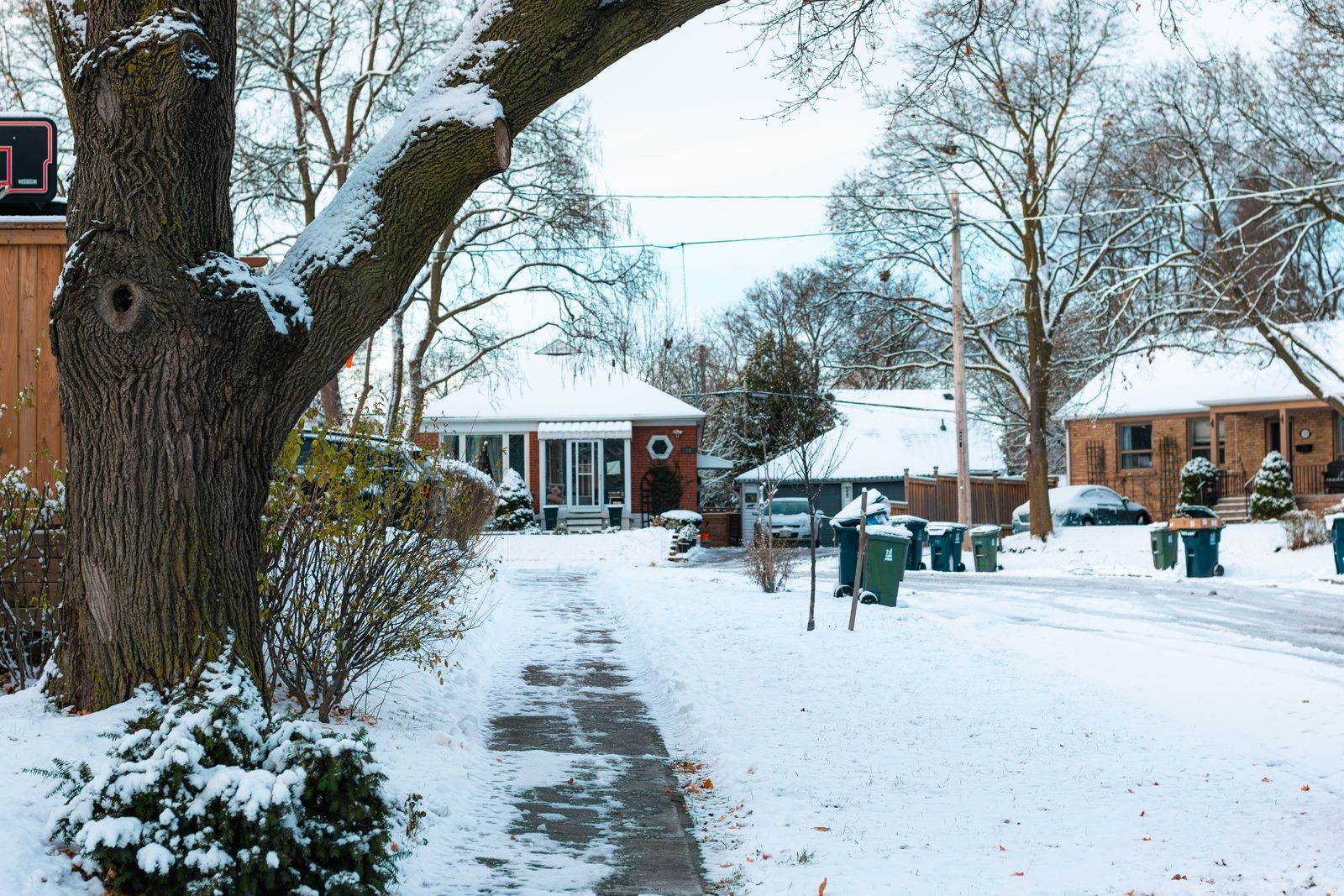
Photos from Pexels: A snowy neighbourhood street in Toronto · Pressing an elevator button.
This article is general information for people in Ontario, not legal advice. Rules, forms and deadlines change, and every situation is different. Check the current rule or speak to a licensed legal professional before you act.
Not sure where you stand? A licensed paralegal can look at your documents and tell you your options.
Book a Free ConsultationLoading comments…



 PIPEDA-compliant⚖️ By-Law 9 trust accounting checks🛡️ Professional liability insured✅ LSO-licensed paralegal🔐 256-bit AES Encryption📋 Working toward WCAG 2.1 AA🇨🇦 Ontario-based firm🕒 SOC 2-audited hosting providers📄 CASL Compliant💻 Secure Client Portal📊 Transparent Fixed Fees🔍 Verified Google Reviews🤝 Free Initial Consultation🏛️ Law Society of Ontario📜 Professional Corporation🔏 Confidential by professional duty🌐 Province-Wide Service