
Meiorin: When Is a Job Standard Discriminatory?
A firefighter lost her job after failing a fitness test designed around men. The Supreme Court's decision changed how every Canadian workplace standard is judged.
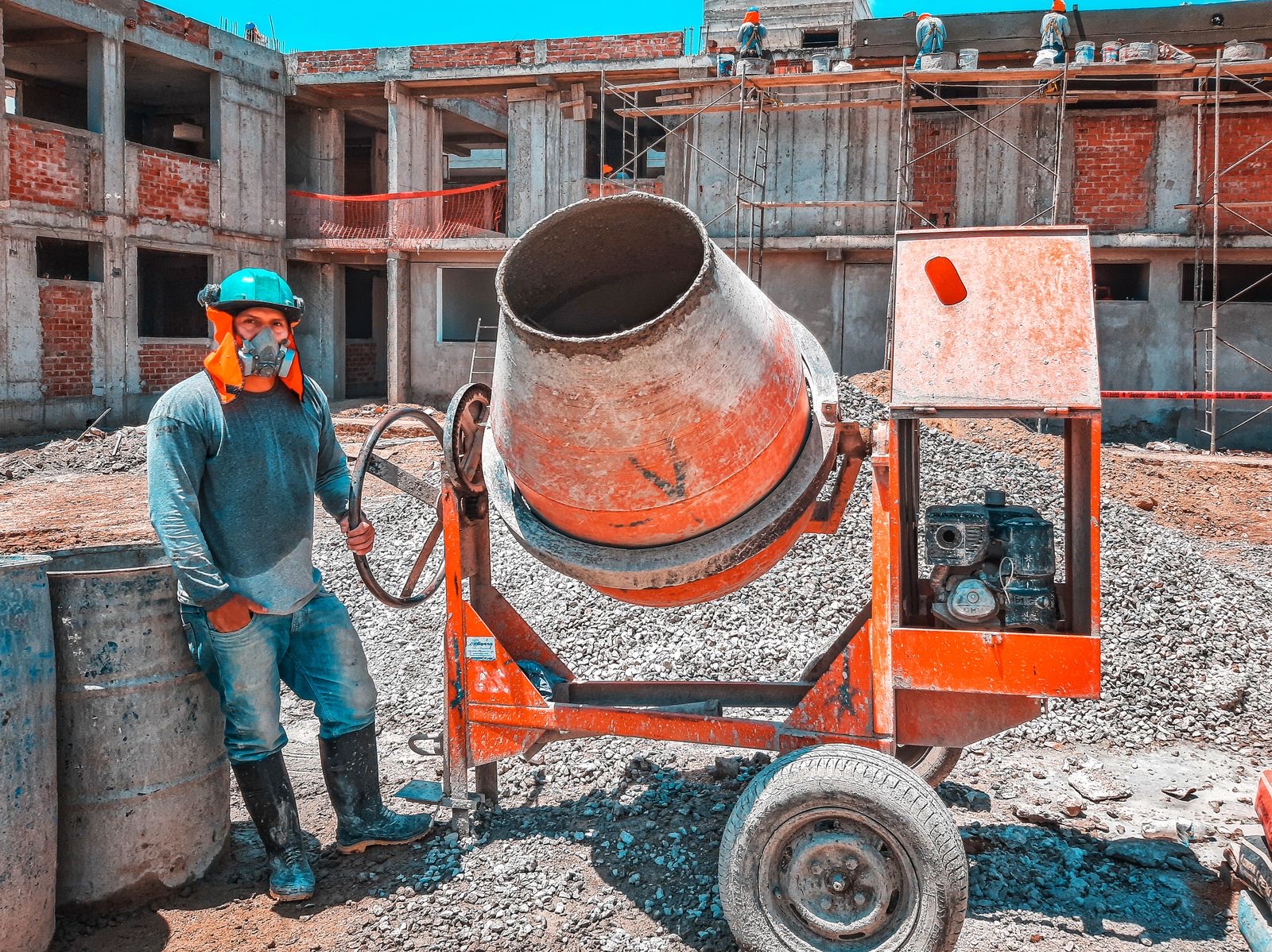
British Columbia (Public Service Employee Relations Commission) v. BCGSEU, [1999] 3 S.C.R. 3, known as Meiorin, set the test courts and tribunals use to decide whether a workplace rule is a bona fide occupational requirement (BFOR).
An employer can keep a rule that excludes people on a protected ground only if it is connected to the job, adopted in good faith, and reasonably necessary, meaning the employer can't accommodate without undue hardship.
What happened
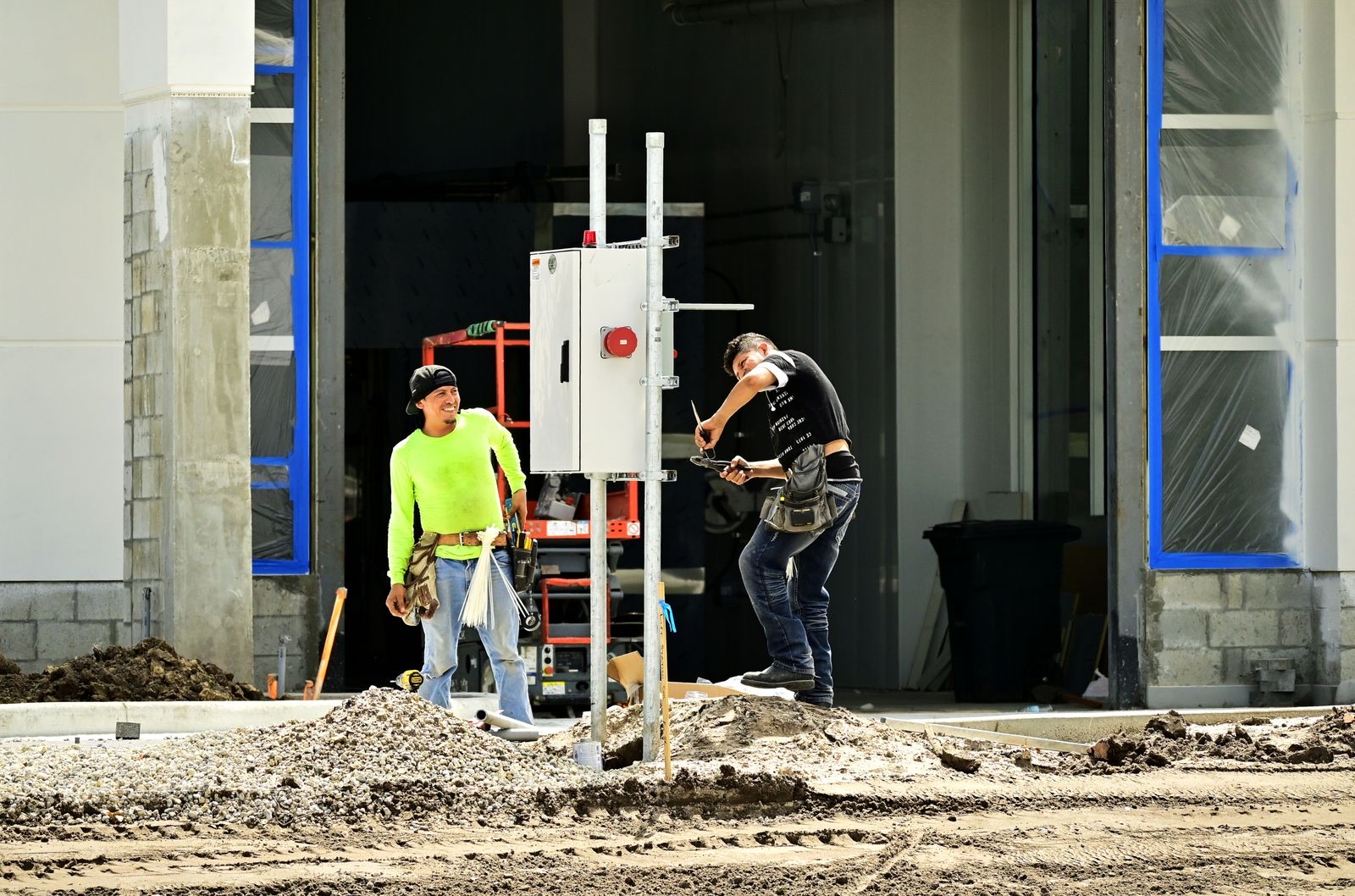
Tawney Meiorin was a forest firefighter in British Columbia who had done her job well. The government introduced a new aerobic fitness test. She failed it by a small margin and was let go. The test was based on research that largely reflected male fitness levels.
What the court decided
The Supreme Court held that the test was discriminatory against women and wasn't a BFOR. It set a three-step test. The employer must show the standard was:
- adopted for a purpose rationally connected to the job;
- adopted in an honest and good faith belief that it was necessary;
- reasonably necessary to accomplish that purpose, which means showing it is impossible to accommodate individuals without undue hardship.
Why it matters
Employers must build accommodation into their rules from the start, rather than treating it as an afterthought.
What it means for you
- Workers: if a workplace rule excludes you because of a protected ground, ask how it was designed and whether alternatives exist.
- Employers: test standards against the real needs of the job, and consider individual accommodation.
Wondering how a decision like this applies to your situation? NEO can review your facts and explain your options. Call 647-200-3526 or toll-free 888-519-2435, email info@neolegalservices.com, or book a free consultation.
Sources
Read next: O'Malley v. Simpsons-Sears: Discrimination Without Intent
General Ontario legal information, not legal advice for your matter, and reading it does not create a retainer. Sources checked 15 October 2026: check the current law, forms and dates before you act.
Photos from Pexels: A construction worker in safety gear at a building site · Construction workers in safety gear installing an electrical panel.
This article is general information for people in Ontario, not legal advice. Rules, forms and deadlines change, and every situation is different. Check the current rule or speak to a licensed legal professional before you act.
Not sure where you stand? A licensed paralegal can look at your documents and tell you your options.
Book a Free ConsultationLoading comments…



 PIPEDA-compliant⚖️ By-Law 9 trust accounting checks🛡️ Professional liability insured✅ LSO-licensed paralegal🔐 256-bit AES Encryption📋 Working toward WCAG 2.1 AA🇨🇦 Ontario-based firm🕒 SOC 2-audited hosting providers📄 CASL Compliant💻 Secure Client Portal📊 Transparent Fixed Fees🔍 Verified Google Reviews🤝 Free Initial Consultation🏛️ Law Society of Ontario📜 Professional Corporation🔏 Confidential by professional duty🌐 Province-Wide Service