
Jordan and the right to trial within reasonable time
In R. v. Jordan, 2016 SCC 27, the Supreme Court established presumptive delay ceilings of 18 months for provincial court trials and 30 months for Superior Court trials or provincial trials following a preliminary inquiry. The framework concerns the Charter right to trial within a reasonable time.

Mr. Jordan's criminal prosecution took more than four years from charge to the end of trial. The Supreme Court allowed the appeal, set aside the convictions, and entered a stay after finding the delay unreasonable. The majority introduced a framework designed to make the right more predictable and encourage timely proceedings. The ceilings are presumptive, and their use requires the relevant legal analysis rather than treating every elapsed month as an automatic entitlement to dismissal.
Defence delay, waiver, exceptional circumstances, and the procedural history affect the analysis. The decision does not create a deadline for civil lawsuits or LTB hearings. Provincial offence delay arguments also require the law and procedure applicable to that case. Keep the charge date, appearance history, adjournment reasons, and disclosure records. A calendar calculation alone cannot establish that a charge must be stayed, and any application needs the required notices and supporting record.
For a provincial offence assessment, prepare a reliable chronology from the court file. Identify charge and hearing dates, adjournment requests, reasons for changes, disclosure history, and any waiver. Confirm the current law governing the proceeding and the required constitutional notices. A representative should assess both the calculation and any explanation or exception raised. Continue meeting court obligations while the issue is reviewed. The practical lesson is to preserve the procedural record early; it is much harder to assess responsibility for delay later when notices are missing and nobody has recorded why an appearance was moved.
Ask NEO whether a provincial offence delay issue requires assessment within its permitted scope. Call 647-200-3526 or toll-free 888-519-2435, email info@neolegalservices.com, or book a free consultation.
Sources
Read next: Hryniak and proportionate civil justice in Ontario
General Ontario legal information, not legal advice for your matter, and reading it does not create a retainer. Sources checked 15 October 2026: check the current law, forms and dates before you act.
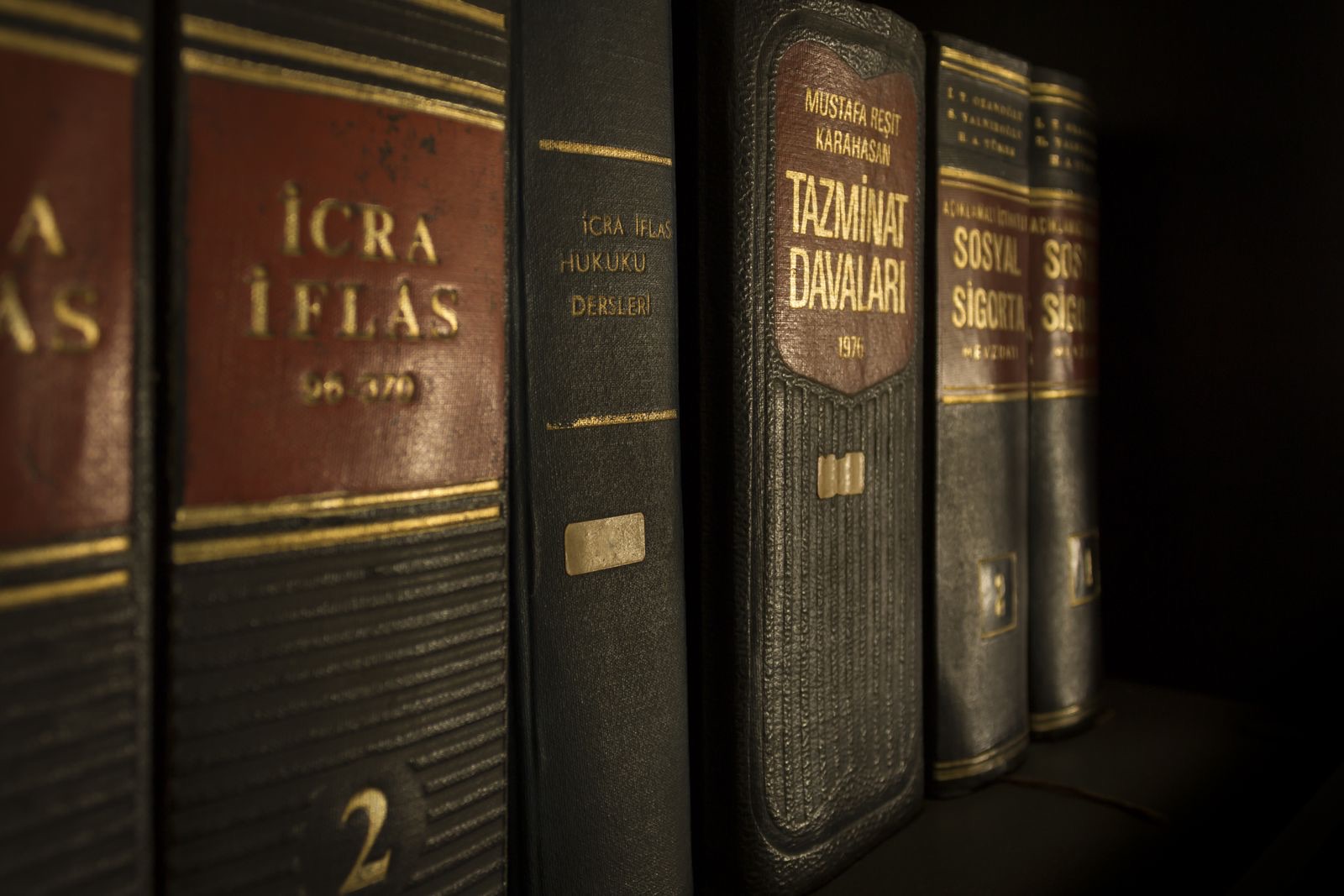
Photos from Pexels: Law books on a library shelf · A wooden gavel on a judge's desk.
This article is general information for people in Ontario, not legal advice. Rules, forms and deadlines change, and every situation is different. Check the current rule or speak to a licensed legal professional before you act.
Not sure where you stand? A licensed paralegal can look at your documents and tell you your options.
Book a Free ConsultationLoading comments…



 PIPEDA-compliant⚖️ By-Law 9 trust accounting checks🛡️ Professional liability insured✅ LSO-licensed paralegal🔐 256-bit AES Encryption📋 Working toward WCAG 2.1 AA🇨🇦 Ontario-based firm🕒 SOC 2-audited hosting providers📄 CASL Compliant💻 Secure Client Portal📊 Transparent Fixed Fees🔍 Verified Google Reviews🤝 Free Initial Consultation🏛️ Law Society of Ontario📜 Professional Corporation🔏 Confidential by professional duty🌐 Province-Wide Service