
Does rent control apply to your Ontario apartment

Whether an Ontario rental unit is exempt from the annual rent increase guideline can depend on its first residential occupancy and the applicable statutory rules. A new owner, a recently signed lease, or a renovated kitchen does not by itself establish an exemption.
Ask for the factual basis of any claimed exemption and preserve available occupancy records. Even where the guideline does not apply, notice and timing requirements can still matter. For a guideline-controlled unit, check the guideline for the year the increase takes effect and whether an above-guideline order or another lawful exception is relevant. Review the notice, current lawful rent, and last increase together. A percentage quoted without the unit's history can produce the wrong answer.
The relevant history may concern the building, unit, or qualifying addition, depending on the exemption being claimed. Ask what first residential occupancy event is relied on and what records support it. A recently completed basement apartment, for example, requires a closer review than simply accepting the date on the newest lease. Keep advertisements, occupancy records, building information, and the landlord's written explanation where available. Distinguish evidence about a renovation from evidence about when residential occupation actually began.
Then review the proposed increase as a separate calculation and notice exercise. Identify the current lawful rent, previous change, proposed amount, effective date, and form used. If you dispute the increase, seek advice before choosing what to pay or signing an agreement that may have legal consequences. Do not assume every rent issue can be resolved by comparing the increase with a percentage found online. The correct answer combines the unit's history, the applicable rule, the notice, and any order or agreement that legally affects the rent.
Have NEO review your rent increase notice and the evidence about the unit's occupancy history. Call 647-200-3526 or toll-free 888-519-2435, email info@neolegalservices.com, or book a free consultation.
Sources
Read next: Your right to return after rental renovations
General Ontario legal information, not legal advice for your matter, and reading it does not create a retainer. Sources checked 15 October 2026: check the current law, forms and dates before you act.
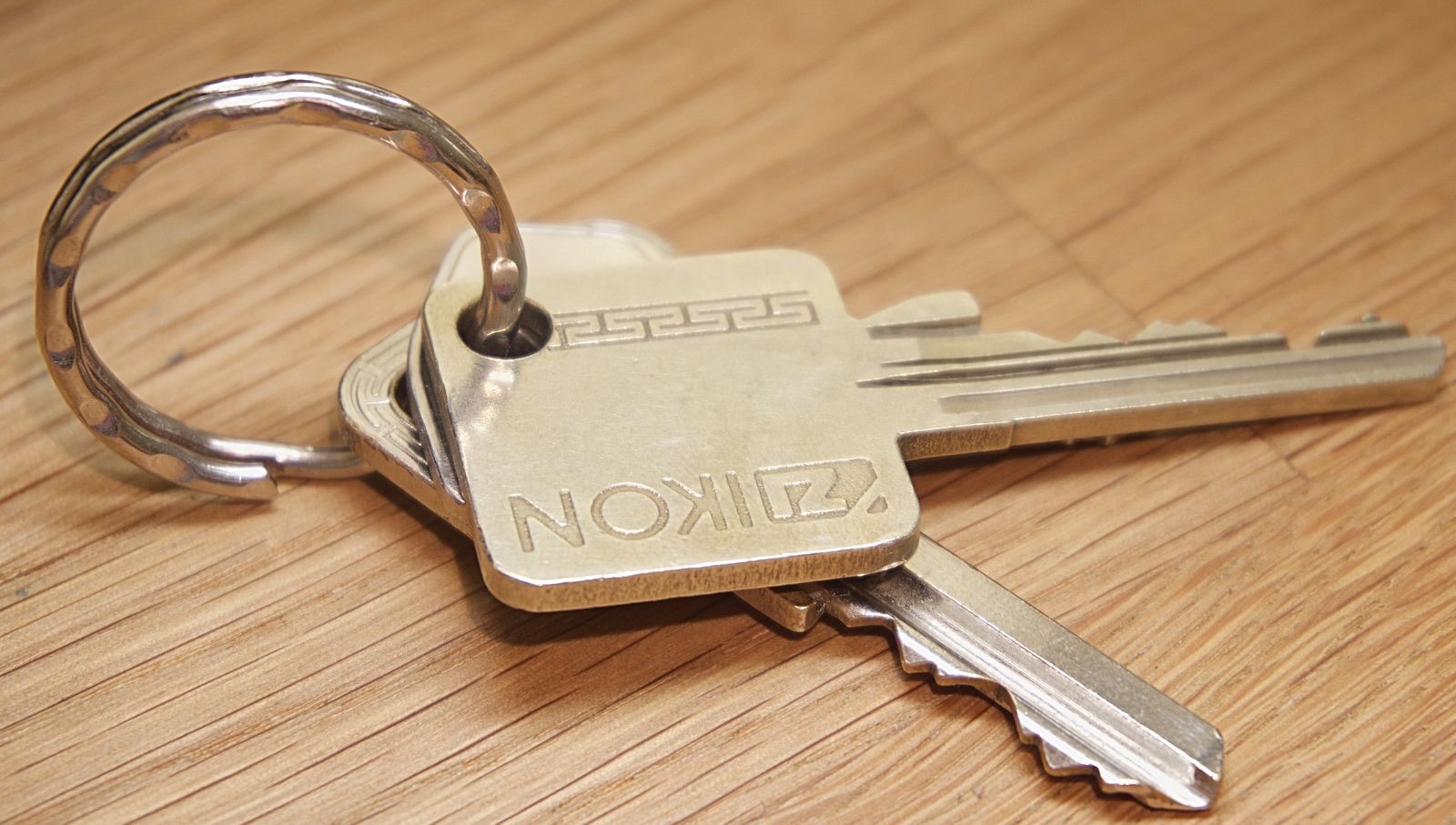
Photos from Pexels: A city apartment building with balconies · House keys on a wooden table.
This article is general information for people in Ontario, not legal advice. Rules, forms and deadlines change, and every situation is different. Check the current rule or speak to a licensed legal professional before you act.
Not sure where you stand? A licensed paralegal can look at your documents and tell you your options.
Book a Free ConsultationLoading comments…



 PIPEDA-compliant⚖️ By-Law 9 trust accounting checks🛡️ Professional liability insured✅ LSO-licensed paralegal🔐 256-bit AES Encryption📋 Working toward WCAG 2.1 AA🇨🇦 Ontario-based firm🕒 SOC 2-audited hosting providers📄 CASL Compliant💻 Secure Client Portal📊 Transparent Fixed Fees🔍 Verified Google Reviews🤝 Free Initial Consultation🏛️ Law Society of Ontario📜 Professional Corporation🔏 Confidential by professional duty🌐 Province-Wide Service