
Speeding & Stunt Driving in Ontario
A traffic ticket feels minor until you see your insurance bill. Speeding and stunt driving convictions in Ontario carry fines, demerit points, and — for stunt driving — immediate roadside licence suspensions and vehicle impoundment. Here's what you need to know before your court date.
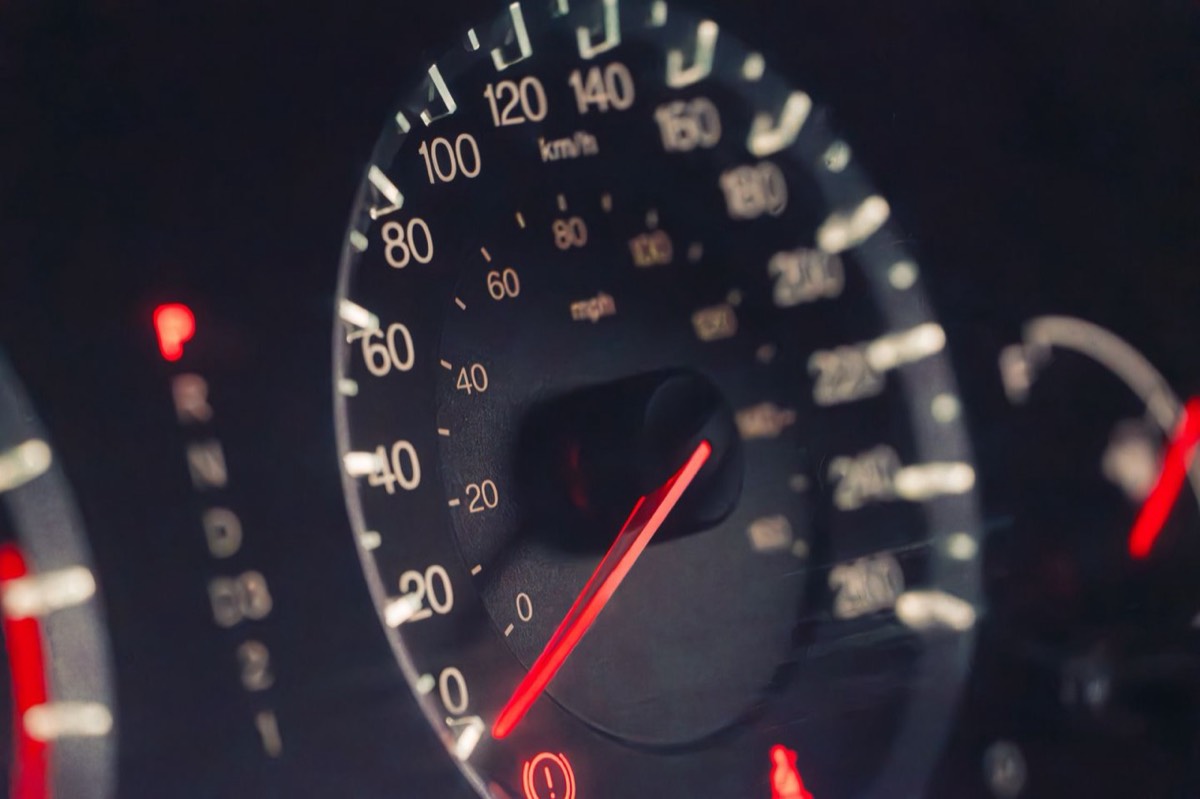
Speeding Fines & Demerit Points (HTA s. 128)
| km/h Over Limit | Fine Range | Demerit Points |
|---|---|---|
| 1–15 km/h | $2.50/km | 0 |
| 16–29 km/h | $3.75/km | 3 |
| 30–49 km/h | $6.00/km | 4 |
| 50+ km/h | $9.75/km | 6 (court required) |
All fines above are subject to a 20% victim surcharge and $5 court cost.
Stunt Driving (HTA s. 172)
Stunt driving is triggered by speeds of 40 km/h or more over the limit in a 80 km/h or less zone, or 50 km/h or more over in faster zones. As of 2021, the thresholds were lowered.
- Immediate roadside suspension: 30 days (first offence), 60 days (second), 90 days (third+)
- Vehicle impoundment: 14 days (towing + storage fees at your cost)
- Upon conviction: 1–3 year licence suspension, $2,000–$10,000 fine, 6 demerit points
- Insurance impact: Insurers may cancel your policy or increase premiums by 50–300%
— it happens at the roadside regardless of guilt. You still have the right to fight the charge in court. The suspension and impoundment are separate from the criminal/regulatory conviction.
Careless Driving (HTA s. 130)
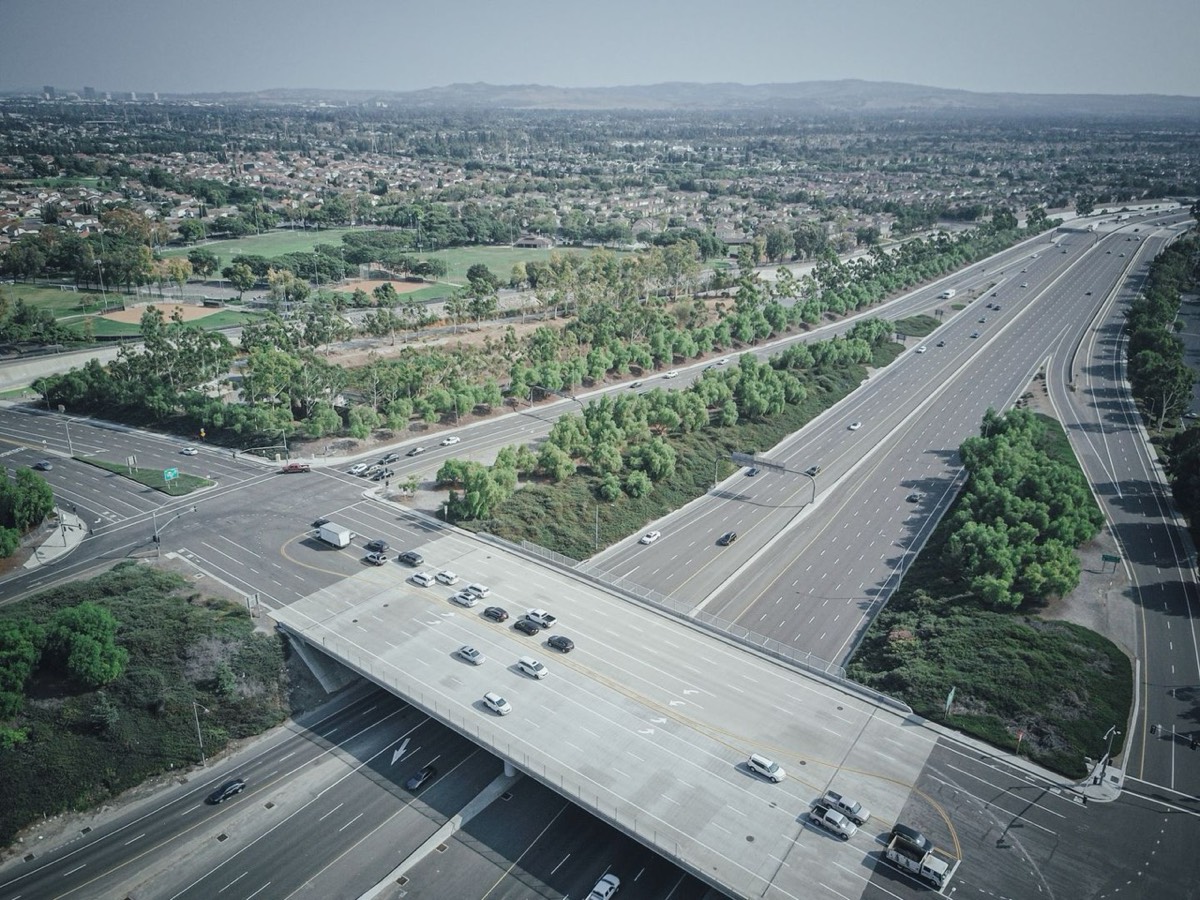
Careless driving is one of the most serious HTA offences. It carries 6 demerit points, a fine up to $2,000, and up to 6 months in jail for a first offence. Insurance companies treat a careless driving conviction similarly to a major at-fault accident.
Novice Driver Rules (G1 / G2)
Under Ontario's Graduated Licensing System, novice drivers face licence suspension with as few as9 demerit points (vs. 15 for fully licensed drivers). A single stunt driving or careless driving conviction can end a G2 licence entirely.
Common Defences
- Calibration records: Radar / laser must be calibrated and the officer trained on the specific device
- Speeding necessity: Narrow but available — e.g., avoiding an immediate collision
- Target lock confirmation: Was the officer's reading locked onto your vehicle and not another?
- Disclosure failures: If the Crown cannot provide officer notes or device records, the charge may be withdrawn
- Plea negotiation: Often a 50+ km/h charge can be reduced to a 30–49 range, avoiding stunt driving consequences
Why Hire a Paralegal?
A licensed paralegal can obtain full Crown disclosure, attend first appearance on your behalf, cross-examine the officer, and often negotiate a reduced charge or full withdrawal — all without you needing to take time off work for court.
Photos from Pexels: Detailed view of a car speedometer showing km/h and mph in low light settings · Drone view of cars on a wide highway intersection surrounded by greenery in an urban.
This article is general information for people in Ontario, not legal advice. Rules, forms and deadlines change, and every situation is different. Check the current rule or speak to a licensed legal professional before you act.
Not sure where you stand? A licensed paralegal can look at your documents and tell you your options.
Book a Free ConsultationLoading comments…



 PIPEDA-compliant⚖️ By-Law 9 trust accounting checks🛡️ Professional liability insured✅ LSO-licensed paralegal🔐 256-bit AES Encryption📋 Working toward WCAG 2.1 AA🇨🇦 Ontario-based firm🕒 SOC 2-audited hosting providers📄 CASL Compliant💻 Secure Client Portal📊 Transparent Fixed Fees🔍 Verified Google Reviews🤝 Free Initial Consultation🏛️ Law Society of Ontario📜 Professional Corporation🔏 Confidential by professional duty🌐 Province-Wide Service💬 Court interpreters in most languages⏱️ Same-Day Intake Response🗂️ Paperless Document Vault🔄 Real-Time Case Tracking🎓 Honours paralegal graduate · LLB in progress📱 Mobile-friendly client portal🧾 Upfront, written fees🔗 TLS 1.3 Secure Connections🛂 ID checks at sign-up (By-Law 7.1)🧑⚖️ Paralegal Scope of Practice📆 Flexible Appointment Booking💼 Small Business Friendly

