
Notary & Apostille in Ontario
Notary public, commissioner of oaths, apostille, authentication — these terms are often confused. This guide explains exactly what each one means, when you need it, and how to get it done in Ontario.
Commissioner of Oaths vs. Notary Public
| Role | What They Can Do |
|---|---|
| Commissioner of Oaths | Witness sworn documents — affidavits, statutory declarations. Confirms identity and administers the oath. |
| Notary Public | Everything a commissioner can do, PLUS: certify true copies, notarize for foreign use, certify signatures for international documents. |
In Ontario, licensed paralegals may be appointed as both. Not all paralegals are notaries — confirm before booking.
Common Documents That Need Notarization
- Certified true copies of passports, birth certificates, diplomas, transcripts
- Powers of attorney for use abroad
- Affidavits for court, immigration, or visa purposes
- Consent letters for children travelling without both parents
- Statutory declarations (name changes, lost documents, etc.)
- Business documents for international transactions
- Documents for IRCC immigration applications
Authentication vs. Apostille

If your document needs to be used in a foreign country, you may need either an apostille or full authentication — depending on whether the destination country is a member of the Hague Apostille Convention.
Canadian documents can now receive an apostille — a significant simplification for Hague member countries.
| Destination Country | Process Required | Issued By |
|---|---|---|
| Hague Convention member (e.g., US, UK, EU, Australia) | Apostille | Global Affairs Canada (federal) or Ontario MAG (provincial) |
| Non-Hague country (e.g., China, India, UAE, Vietnam) | Notarize → LSO authenticate → Global Affairs Canada → Consulate legalization | Multi-step chain |
Remote / Virtual Notarization in Ontario
Ontario permits remote commissioning under O. Reg. 431/20 (made permanent). A commissioner can witness a signature via videoconference provided the signor presents valid photo ID over video and both parties communicate in real time.
Not all documents are eligible for remote notarization. Documents for some foreign jurisdictions may require in-person notarization. Confirm before booking.
What to Bring to Your Appointment
- Valid government-issued photo ID (passport, driver's licence)
- Original document AND the copy (for certified true copies)
- Document must not be pre-signed — sign in front of the notary
- Any exhibits referenced in an affidavit
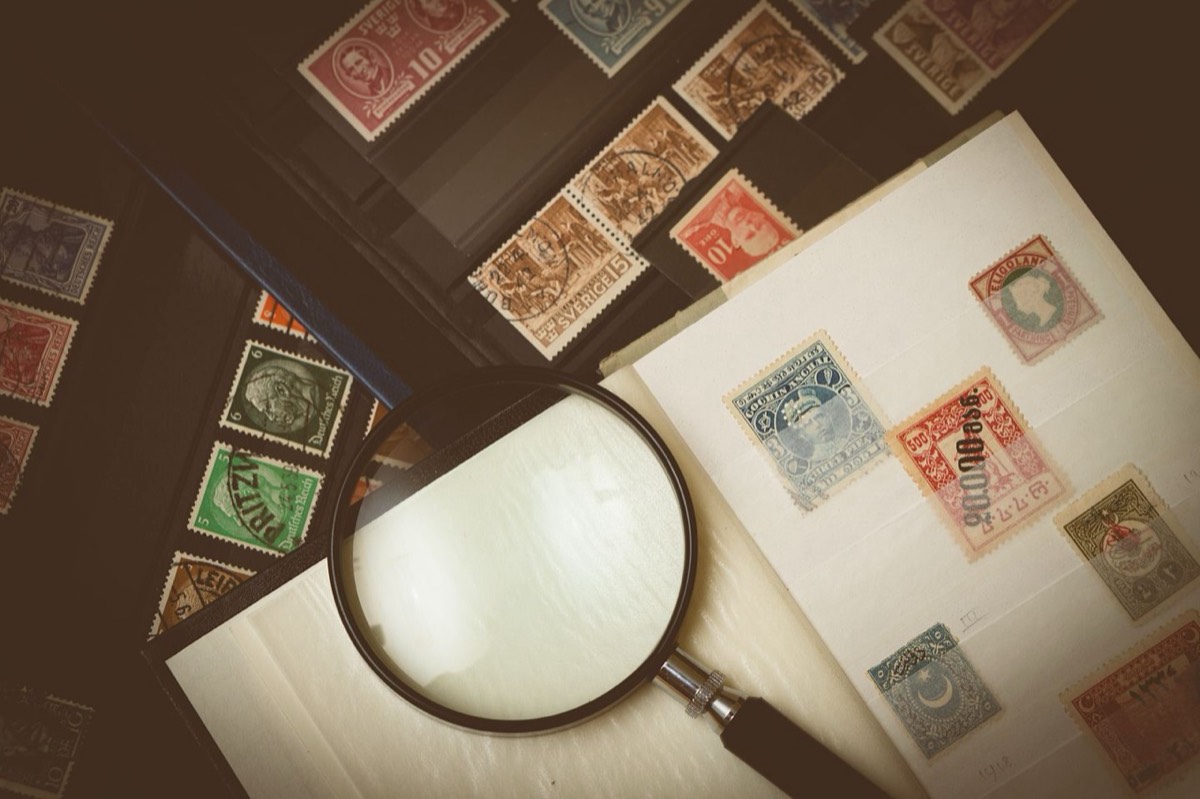
Photos from Pexels: Explore a detailed view of vintage postage stamps through a magnifying glass · Healthcare worker in scrubs reviewing patient files with a stamp and clipboard.
This article is general information for people in Ontario, not legal advice. Rules, forms and deadlines change, and every situation is different. Check the current rule or speak to a licensed legal professional before you act.
Not sure where you stand? A licensed paralegal can look at your documents and tell you your options.
Book a Free ConsultationLoading comments…



 PIPEDA-compliant⚖️ By-Law 9 trust accounting checks🛡️ Professional liability insured✅ LSO-licensed paralegal🔐 256-bit AES Encryption📋 Working toward WCAG 2.1 AA🇨🇦 Ontario-based firm🕒 SOC 2-audited hosting providers📄 CASL Compliant💻 Secure Client Portal📊 Transparent Fixed Fees🔍 Verified Google Reviews🤝 Free Initial Consultation🏛️ Law Society of Ontario📜 Professional Corporation🔏 Confidential by professional duty🌐 Province-Wide Service💬 Court interpreters in most languages⏱️ Same-Day Intake Response🗂️ Paperless Document Vault🔄 Real-Time Case Tracking🎓 Honours paralegal graduate · LLB in progress📱 Mobile-friendly client portal🧾 Upfront, written fees🔗 TLS 1.3 Secure Connections🛂 ID checks at sign-up (By-Law 7.1)🧑⚖️ Paralegal Scope of Practice📆 Flexible Appointment Booking💼 Small Business Friendly

