
Letter of Demand Guide: Getting Paid
Learn how to write and serve a demand letter in Ontario. What to include, how to serve it, and how it can resolve disputes without court. Free guide.

Before starting a legal claim, it is standard practice to send a Demand Letter. This document officially notifies the other party that you have a dispute and what you are demanding.
What to Include in Your Demand Letter
- Introduction: State the purpose of the letter and the relationship between the parties.
- Facts: Clearly state the facts of the case, including dates, amounts, and relevant documents.
- Demands: State exactly what you are demanding (e.g., payment of $5,000, completion of work).
- Deadline: Give a reasonable timeframe for the other party to respond (e.g., 10-14 days).
- Next Steps: State that if the demand is not met, you will take legal action.
How to Serve the Letter
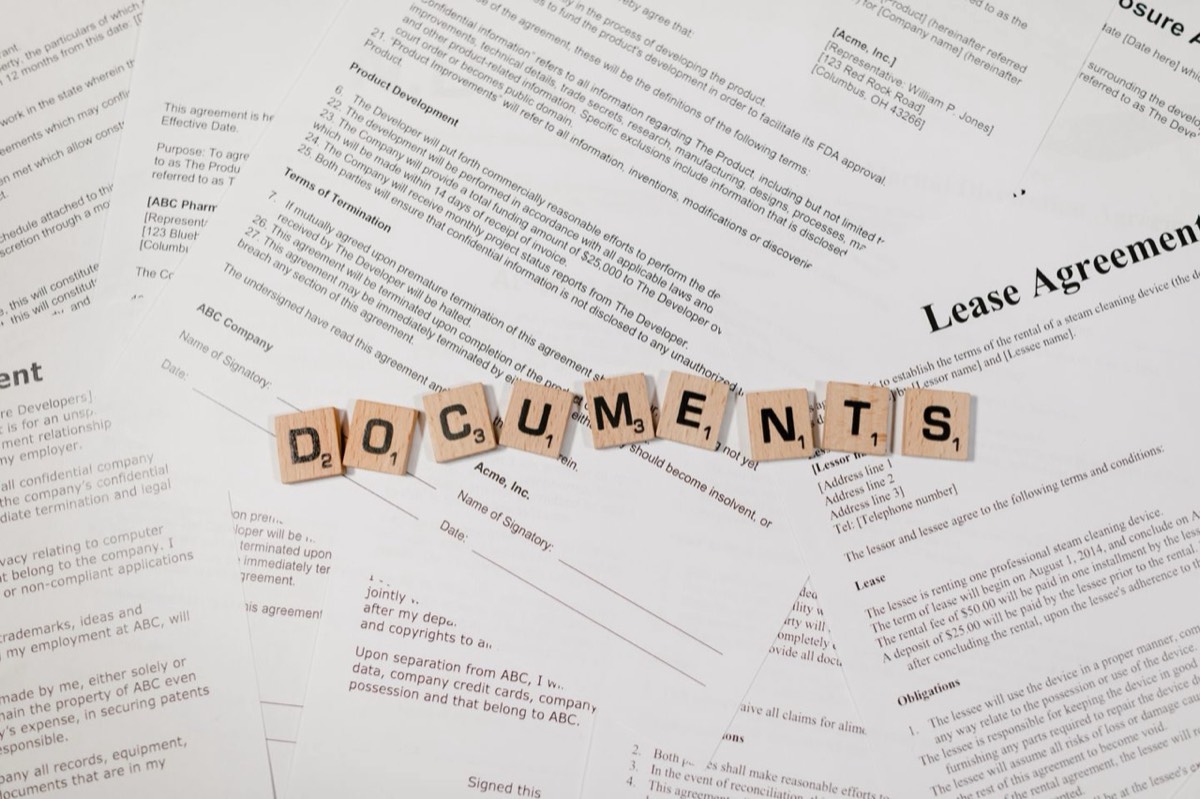
You should send the letter via registered mail or personal service. This ensures you have proof that the other party received it, which can be important if you later go to court.
Photos from Pexels: Close-up of a person signing a divorce decree on a desk · Top view of scrabble tiles spelling 'DOCUMENTS' on various contracts and agreements.
This article is general information for people in Ontario, not legal advice. Rules, forms and deadlines change, and every situation is different. Check the current rule or speak to a licensed legal professional before you act.
Not sure where you stand? A licensed paralegal can look at your documents and tell you your options.
Book a Free ConsultationLoading comments…



 PIPEDA-compliant⚖️ By-Law 9 trust accounting checks🛡️ Professional liability insured✅ LSO-licensed paralegal🔐 256-bit AES Encryption📋 Working toward WCAG 2.1 AA🇨🇦 Ontario-based firm🕒 SOC 2-audited hosting providers📄 CASL Compliant💻 Secure Client Portal📊 Transparent Fixed Fees🔍 Verified Google Reviews🤝 Free Initial Consultation🏛️ Law Society of Ontario📜 Professional Corporation🔏 Confidential by professional duty🌐 Province-Wide Service💬 Court interpreters in most languages⏱️ Same-Day Intake Response🗂️ Paperless Document Vault🔄 Real-Time Case Tracking🎓 Honours paralegal graduate · LLB in progress📱 Mobile-friendly client portal🧾 Upfront, written fees🔗 TLS 1.3 Secure Connections🛂 ID checks at sign-up (By-Law 7.1)🧑⚖️ Paralegal Scope of Practice📆 Flexible Appointment Booking💼 Small Business Friendly

