
Debt Collection in Ontario: Your Rights
Debt collectors in Ontario are regulated under the Collection and Debt Settlement Services Act (CDSSA). They have strict rules about how, when, and how often they can contact you — and you have the right to stop most contact entirely.
What Debt Collectors Are NOT Allowed to Do
Under the CDSSA, a collector cannot:
- Contact you on a Sunday before 1 pm or after 5 pm, or on a statutory holiday
- Contact you more than 3 times in 7 days without your consent
- Use threatening, profane, intimidating, or coercive language
- Make false or misleading representations (e.g., pretend to be a lawyer, claim consequences that aren't real)
- Contact your employer except to confirm employment or wages, unless your employer has guaranteed the debt
- Contact family members except to locate you
- Add fees or charges beyond what the original contract allows
Permitted Contact Hours
| Day | Permitted Hours |
|---|---|
| Monday – Saturday | 7:00 am – 9:00 pm |
| Sunday | 1:00 pm – 5:00 pm |
| Statutory holidays | Not permitted |
How to Stop Collection Calls
You can send the collection agency a written cease-and-desist letter by registered mail. Once received, they may only contact you to:
- Advise you they are ending collection efforts, or
- Advise you of legal action they intend to take

Send the letter to the collection agency (not the original creditor), keep a copy, and send it via registered mail so you have proof of receipt. After this, if the calls continue, you can file a complaint with the Ministry of Public and Business Service Delivery.
The 2-Year Limitation Period on Old Debts
Under Ontario's Limitations Act, 2002, a creditor has 2 yearsfrom the date you last acknowledged the debt (or made a payment) to start a court action. After 2 years, the debt is statute-barred — meaning they cannot successfully sue you for it.
Important: Making a payment or acknowledging a debt in writing restarts the 2-year clock. Never make a small payment on an old debt without understanding the implications.
A statute-barred debt still exists — the creditor can still ask you to pay and can still report it to credit bureaus (up to 7 years from the date of last activity). But they cannot take you to court.
Credit Bureau Reporting
Negative items (collections, missed payments) remain on your credit report for 6–7 yearsfrom the date of last activity, regardless of the legal limitation period. You can dispute inaccurate information by contacting Equifax or TransUnion directly.
When You Are Sued for a Debt
If a creditor files a claim in Small Claims Court for a debt under $50,000, do not ignore it. Failing to file a Defence within 20 days of being served results in a default judgment against you. A paralegal can review the claim, raise limitation period defences, and represent you at the hearing.
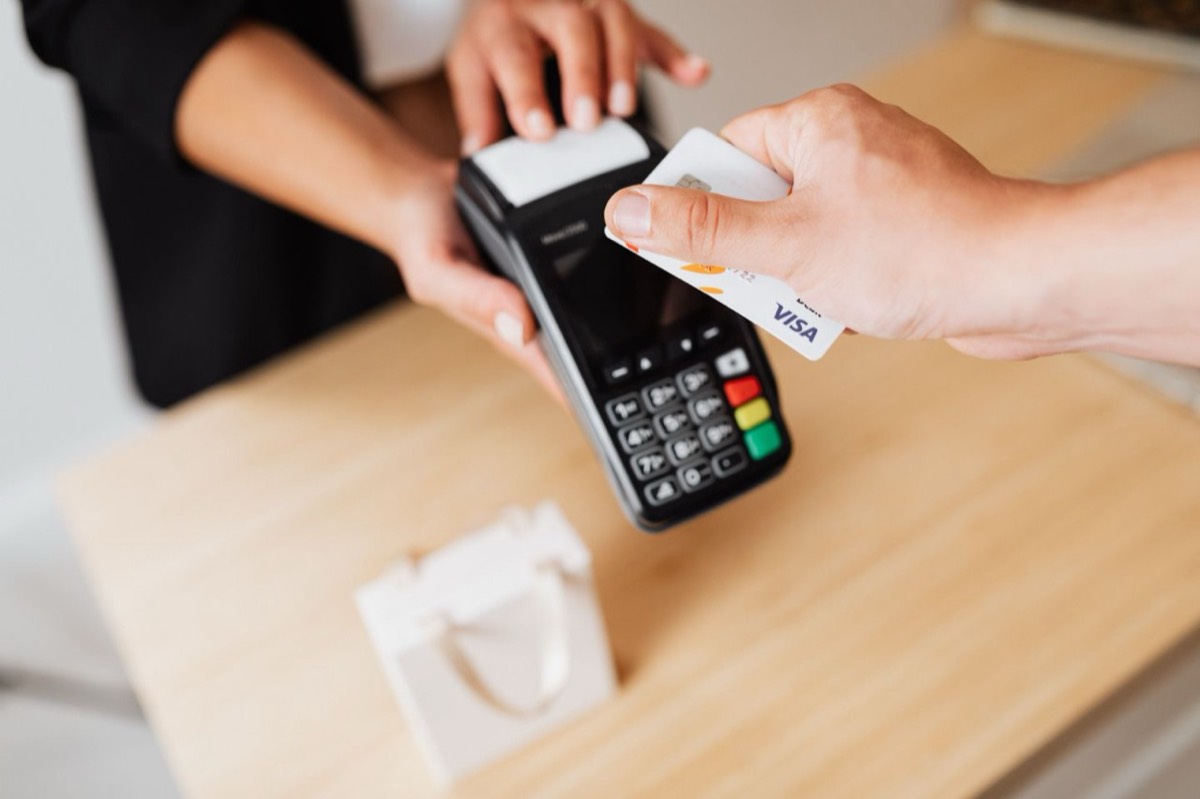
Photos from Pexels: Close-up of hands using a contactless payment terminal with a credit card indoors · A tired woman calculating her taxes at a desk covered with papers and a smartphone.
This article is general information for people in Ontario, not legal advice. Rules, forms and deadlines change, and every situation is different. Check the current rule or speak to a licensed legal professional before you act.
Not sure where you stand? A licensed paralegal can look at your documents and tell you your options.
Book a Free ConsultationLoading comments…



 PIPEDA-compliant⚖️ By-Law 9 trust accounting checks🛡️ Professional liability insured✅ LSO-licensed paralegal🔐 256-bit AES Encryption📋 Working toward WCAG 2.1 AA🇨🇦 Ontario-based firm🕒 SOC 2-audited hosting providers📄 CASL Compliant💻 Secure Client Portal📊 Transparent Fixed Fees🔍 Verified Google Reviews🤝 Free Initial Consultation🏛️ Law Society of Ontario📜 Professional Corporation🔏 Confidential by professional duty🌐 Province-Wide Service💬 Court interpreters in most languages⏱️ Same-Day Intake Response🗂️ Paperless Document Vault🔄 Real-Time Case Tracking🎓 Honours paralegal graduate · LLB in progress📱 Mobile-friendly client portal🧾 Upfront, written fees🔗 TLS 1.3 Secure Connections🛂 ID checks at sign-up (By-Law 7.1)🧑⚖️ Paralegal Scope of Practice📆 Flexible Appointment Booking💼 Small Business Friendly

