
Construction Liens in Ontario
Ontario's Construction Act (formerly the Construction Lien Act) gives contractors, subcontractors, suppliers, and workers the right to place a lien on property if they have not been paid for work performed.

Who Can Register a Lien?
Any person who has supplied services or materials to an improvement of land in Ontario has lien rights, including:
- General contractors
- Subcontractors and sub-subcontractors
- Material suppliers (lumber, equipment, etc.)
- Workers (unpaid wages)
- Architects, engineers, and consultants
Critical Deadlines
| Action | Deadline |
|---|---|
| Preserve the lien (register on title) | 60 days from last supply of services or materials |
| Perfect the lien (commence court action) | 90 days from the date the lien was preserved |
| Set down for trial | Within 2 years of perfection |
Missing the 60-day preservation window extinguishes your lien rights permanently. There is no extension. Register your lien before this deadline even if you're still negotiating with the owner.
How to Preserve a Lien
- Complete a Claim for Lien form (available from the court).
- Register it at the Land Registry Office for the county/region where the property is located.
- Within the same time period, serve a copy of the lien on the owner and (if applicable) the mortgagee.
Holdback Requirements
Ontario law requires owners to retain a 10% holdback from each payment made to the general contractor. This holdback fund is security for potential lien claims. An owner who fails to maintain proper holdbacks can be personally liable to lien claimants.
Trust Fund Provisions
The Construction Act establishes deemed trusts at every level of the payment chain. Money received by a contractor for the project must be held in trust for those below them in the chain (subcontractors, suppliers). Misappropriation of trust funds can result in personal liability even for corporate officers.
The 2019 amendments to the Construction Act introduced mandatory prompt payment timelines and an adjudication system for interim payment disputes, allowing faster resolution without full litigation.
Vacating or Discharging a Lien
An owner can have a lien vacated by paying the lien amount into court as security. This allows the project to continue while the dispute is resolved.
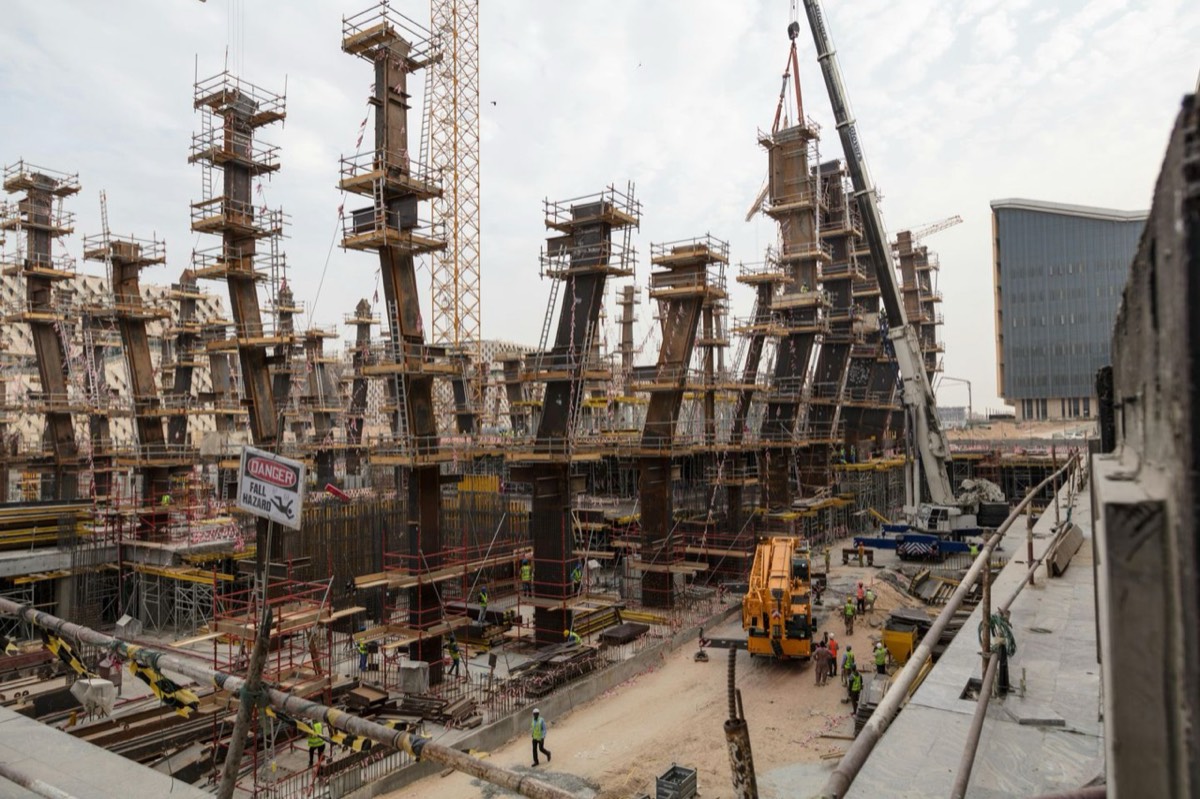
Photos from Pexels: A construction worker operating a concrete mixer at an active building site, emphasizing · A bustling construction site with towering steel frameworks and cranes under a cloudy sky.
This article is general information for people in Ontario, not legal advice. Rules, forms and deadlines change, and every situation is different. Check the current rule or speak to a licensed legal professional before you act.
Not sure where you stand? A licensed paralegal can look at your documents and tell you your options.
Book a Free ConsultationLoading comments…



 PIPEDA-compliant⚖️ By-Law 9 trust accounting checks🛡️ Professional liability insured✅ LSO-licensed paralegal🔐 256-bit AES Encryption📋 Working toward WCAG 2.1 AA🇨🇦 Ontario-based firm🕒 SOC 2-audited hosting providers📄 CASL Compliant💻 Secure Client Portal📊 Transparent Fixed Fees🔍 Verified Google Reviews🤝 Free Initial Consultation🏛️ Law Society of Ontario📜 Professional Corporation🔏 Confidential by professional duty🌐 Province-Wide Service💬 Court interpreters in most languages⏱️ Same-Day Intake Response🗂️ Paperless Document Vault🔄 Real-Time Case Tracking🎓 Honours paralegal graduate · LLB in progress📱 Mobile-friendly client portal🧾 Upfront, written fees🔗 TLS 1.3 Secure Connections🛂 ID checks at sign-up (By-Law 7.1)🧑⚖️ Paralegal Scope of Practice📆 Flexible Appointment Booking💼 Small Business Friendly

